26 Easy Do a Dot Alphabet Worksheets for Preschoolers
Disclosure: Some of the links in this post are affiliate links. This means if you click on the link and purchase an item, I will receive an affiliate commission at no extra cost to you.
Learning the alphabet can feel more exciting when children get to use their hands. These Do a Dot Alphabet Worksheets give preschoolers a simple way to practice letters while filling each dot.
Instead of only looking at letters, children can grab a marker and make each page their own.
This 26-page printable includes one letter mat for every letter from A to Z. Each page features a large uppercase letter surrounded by easy-to-see circles. The directions are simple: use a marker to fill in the letter.
I love activities that are easy to prepare and do not need complicated instructions.
You can print a few pages, choose washable markers, and let your preschooler get started. The pages also make it easy to focus on one letter at a time while keeping practice fun and hands-on.
26 Easy Do a Dot Alphabet Worksheets for Preschoolers
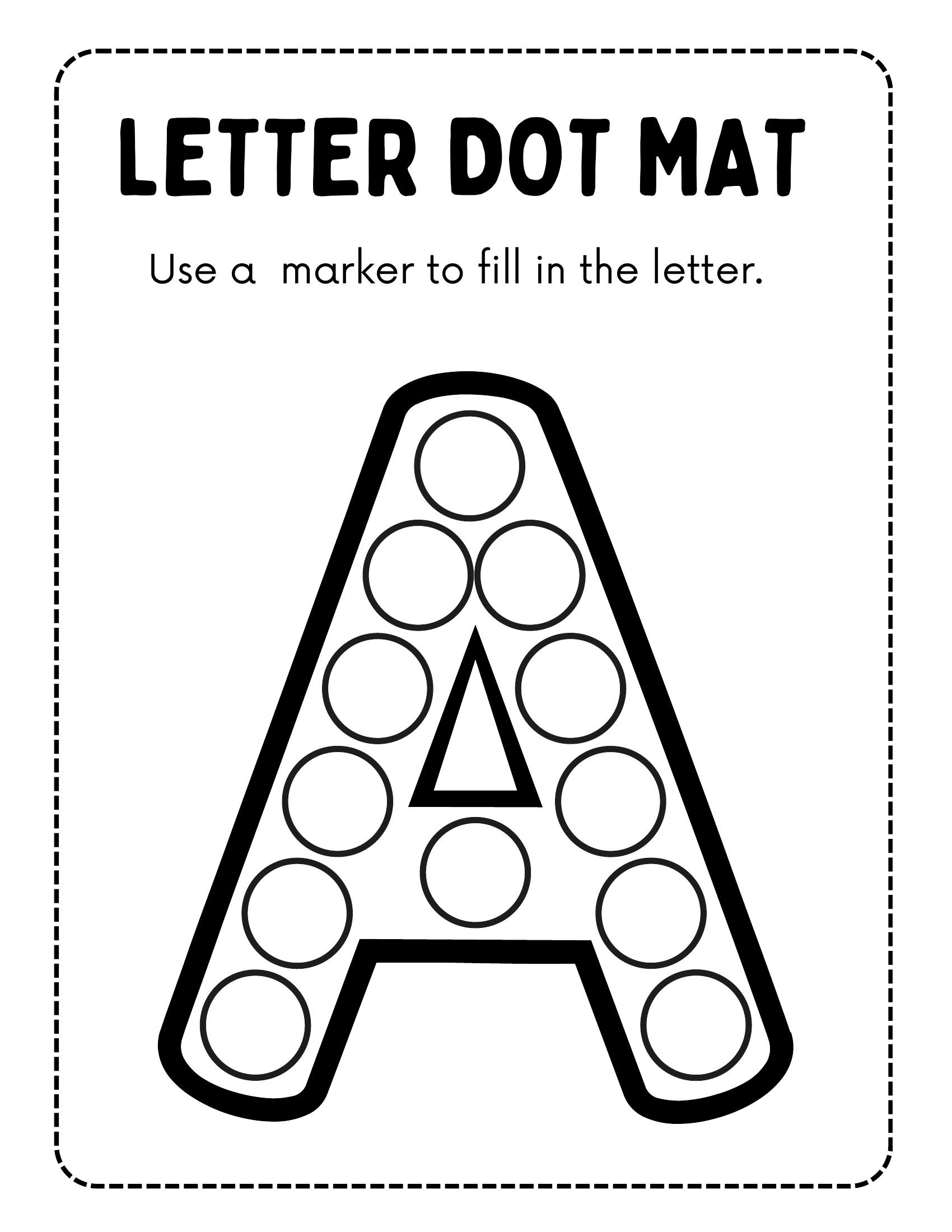
The first page introduces the letter A with a large, bold outline. Children can place a dot inside each circle using a marker.
This gives them a simple way to notice the shape of uppercase A. As they fill the circles, encourage them to say the letter name aloud. You can also ask them to think of a word that begins with A.
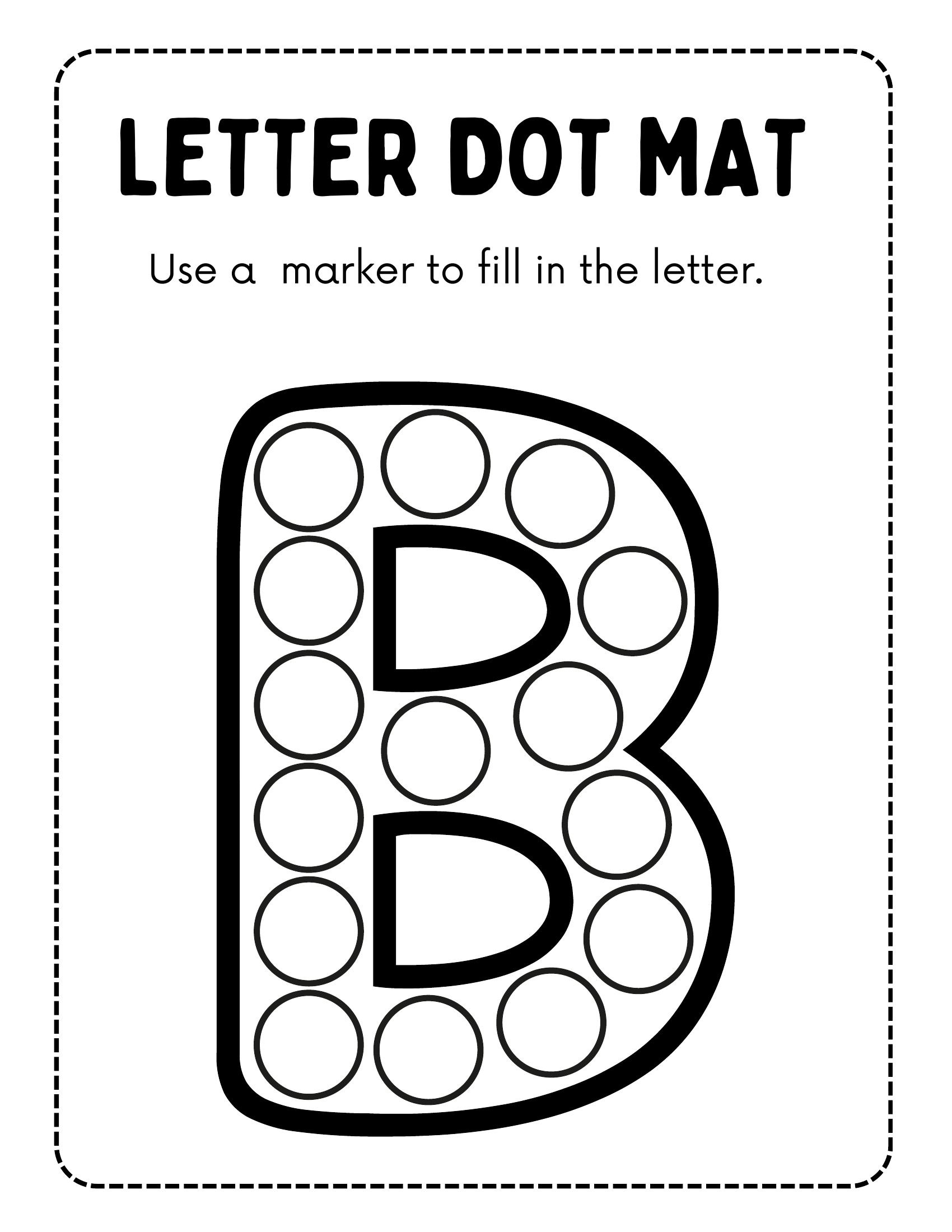
The second page focuses on uppercase B with several open circles. Children can fill each circle while following the shape of the letter.
The repeated dots make the activity easy to understand and enjoyable. Try saying “B” together each time your child places a dot. This can turn a quiet worksheet into a fun little letter game.
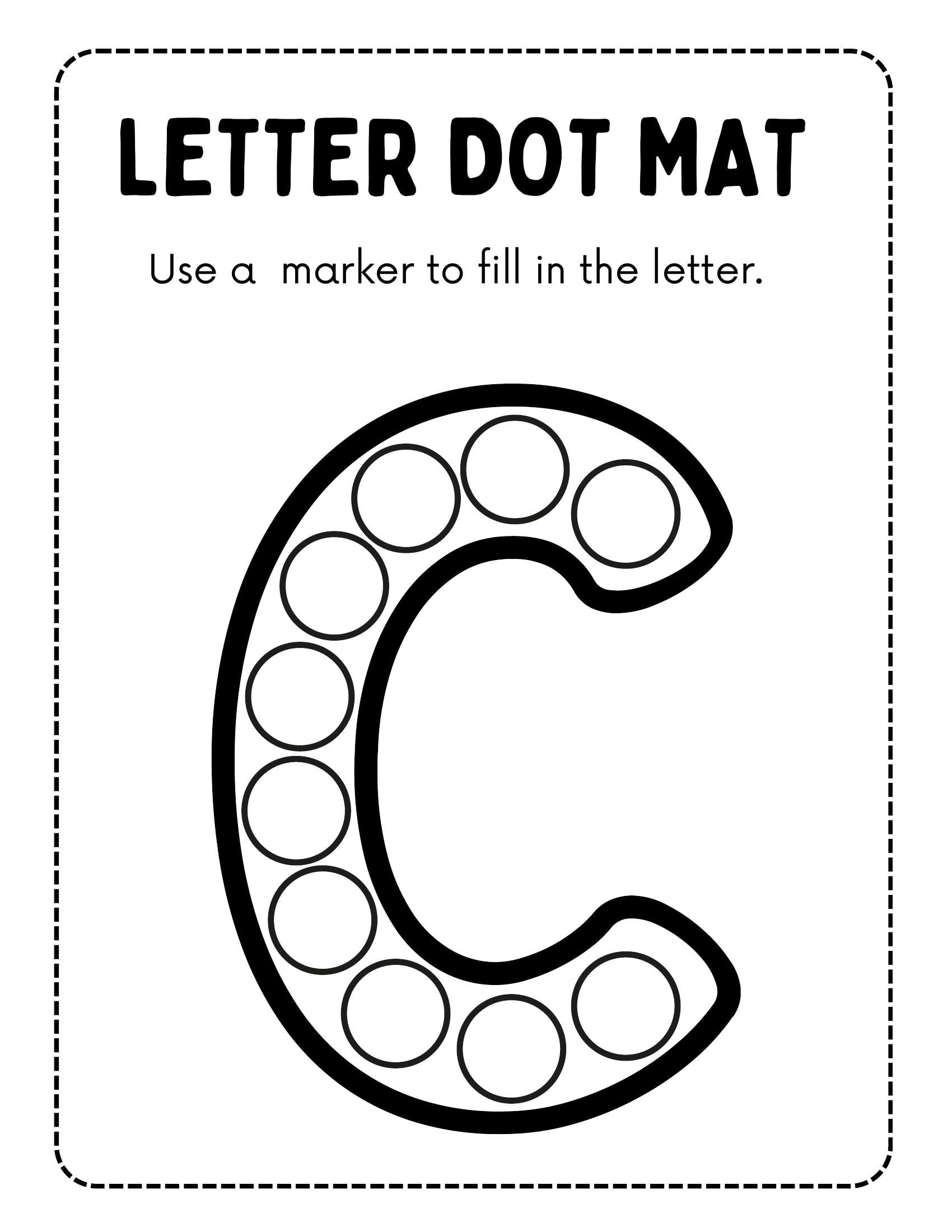
The C page gives children another large letter to decorate with dots. Its curved shape is easy to recognize as children work around the outline.
Let your child choose a favorite marker color for this page. You can also ask them to name a word that starts with C. Simple conversations like this can make letter practice more meaningful.
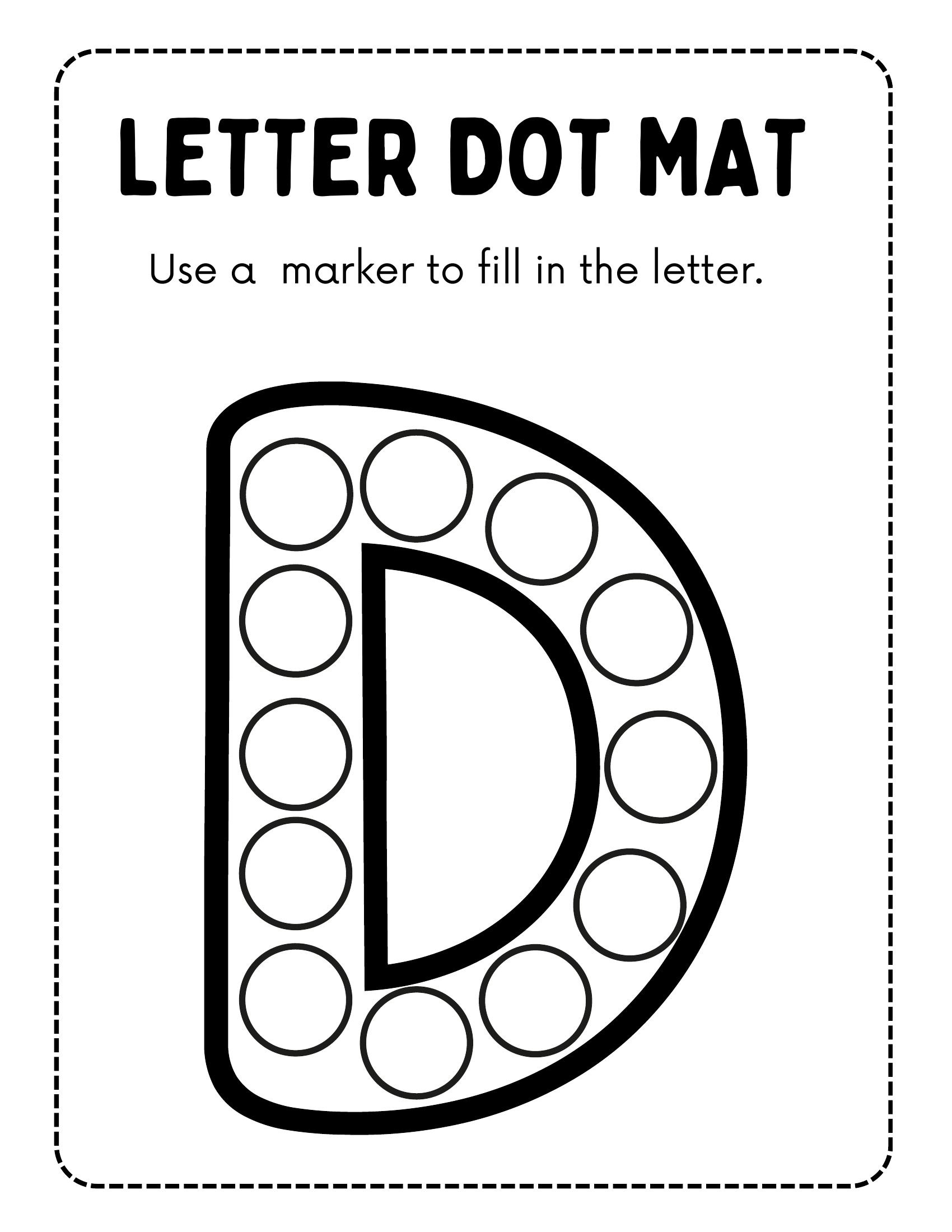
Next comes the uppercase D dot mat. The page has circles placed around the letter shape for children to fill.
Some children may enjoy counting the dots as they work. Keep the activity relaxed and let them move at their own pace. Once finished, ask your child to point to the letter D.
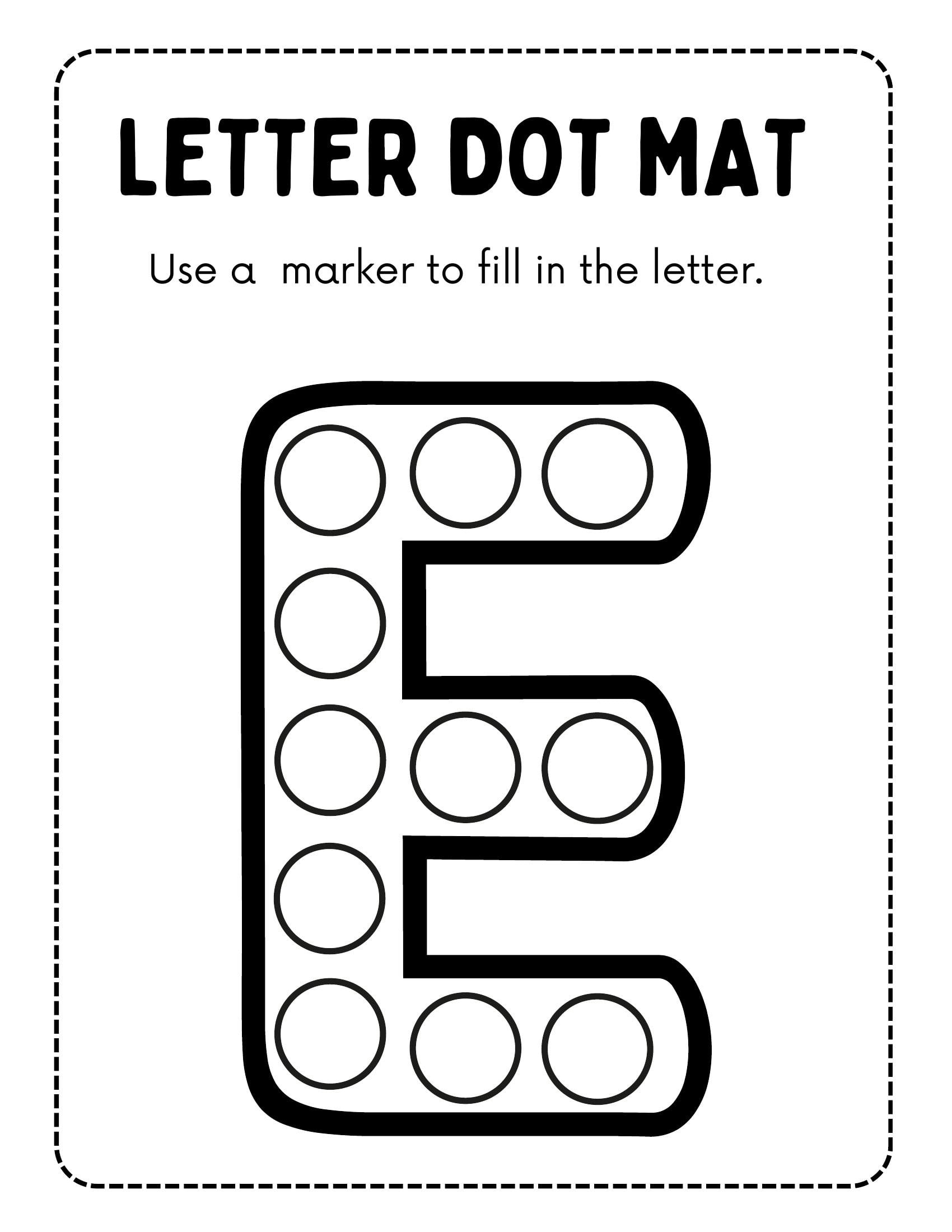
The E worksheet gives preschoolers another chance to practice a familiar uppercase letter. Children can fill the circles with dots while looking closely at the letter shape.
The activity is simple enough for a short learning session. You can say the letter name before your child begins. Then, repeat it together when the page is complete.
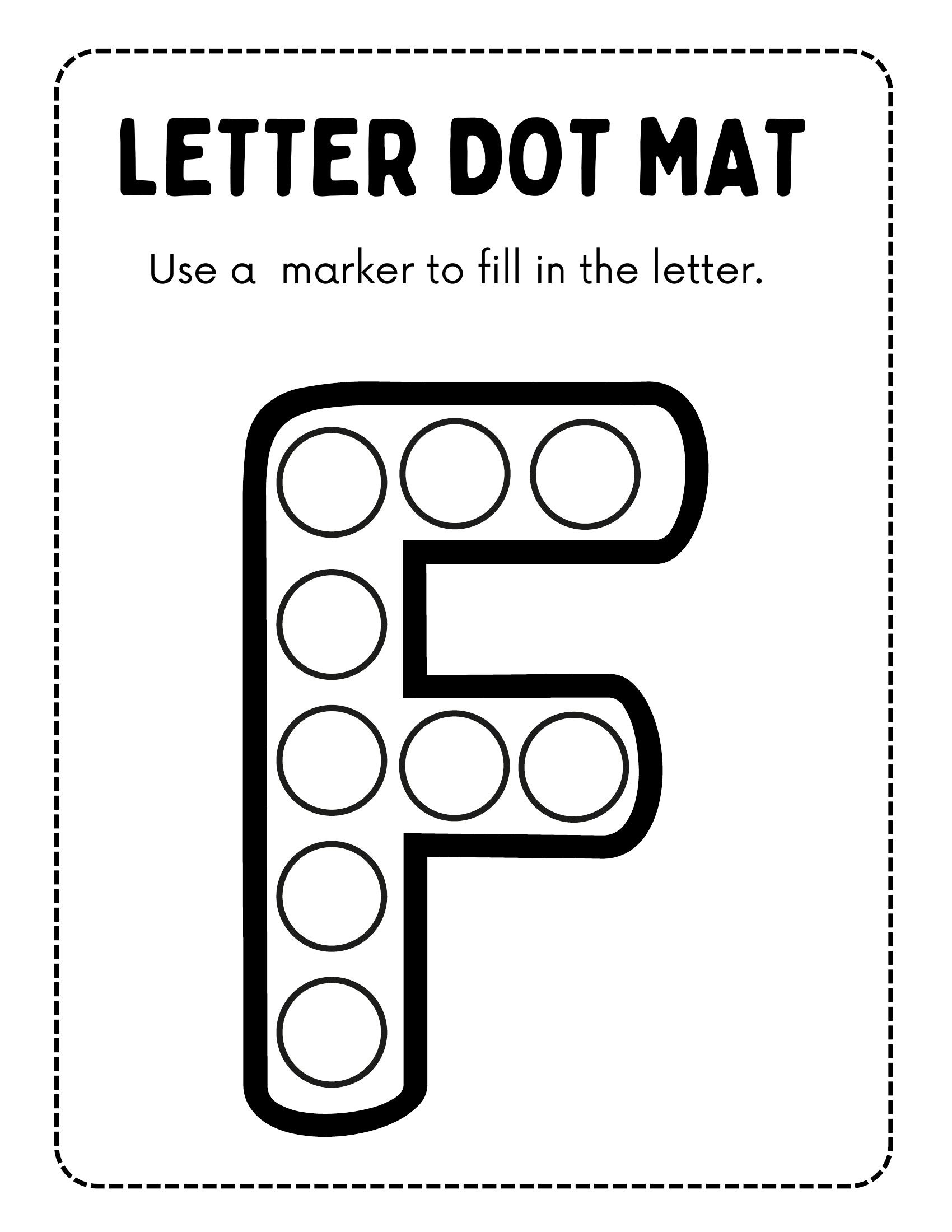
The sixth page features a large uppercase F with several dot spaces. Children can use their markers to fill each circle across the letter.
This hands-on approach gives them something active to do during alphabet practice. Encourage your child to trace the letter shape with a finger afterward. That small step can help them pay closer attention to its form.
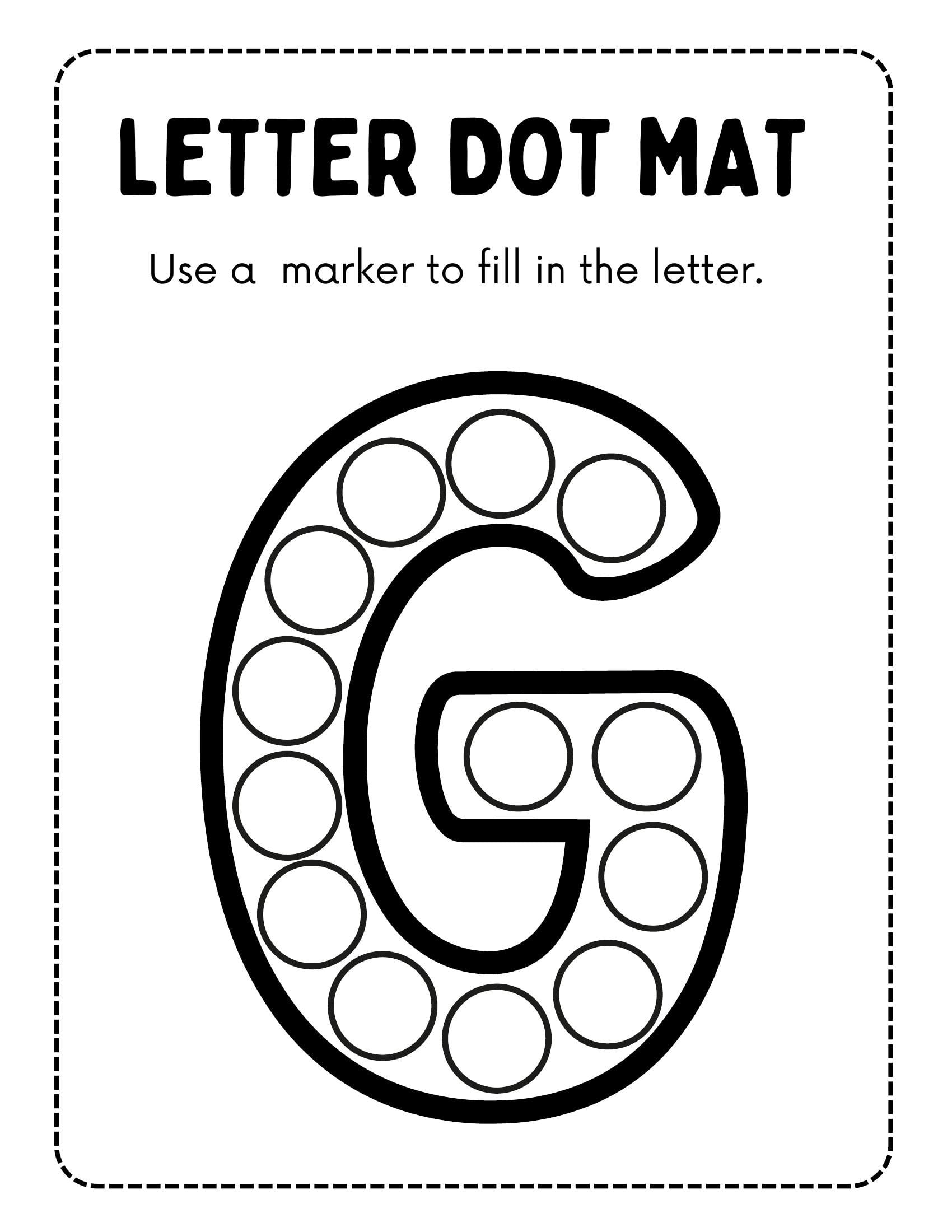
The G dot mat keeps the same familiar format while introducing a new letter. Children can fill the circles and watch the letter become colorful as they work.
You can make the activity more engaging by saying “G” together. Ask your child if they can think of something that begins with G. Keep the conversation playful rather than turning it into a test.
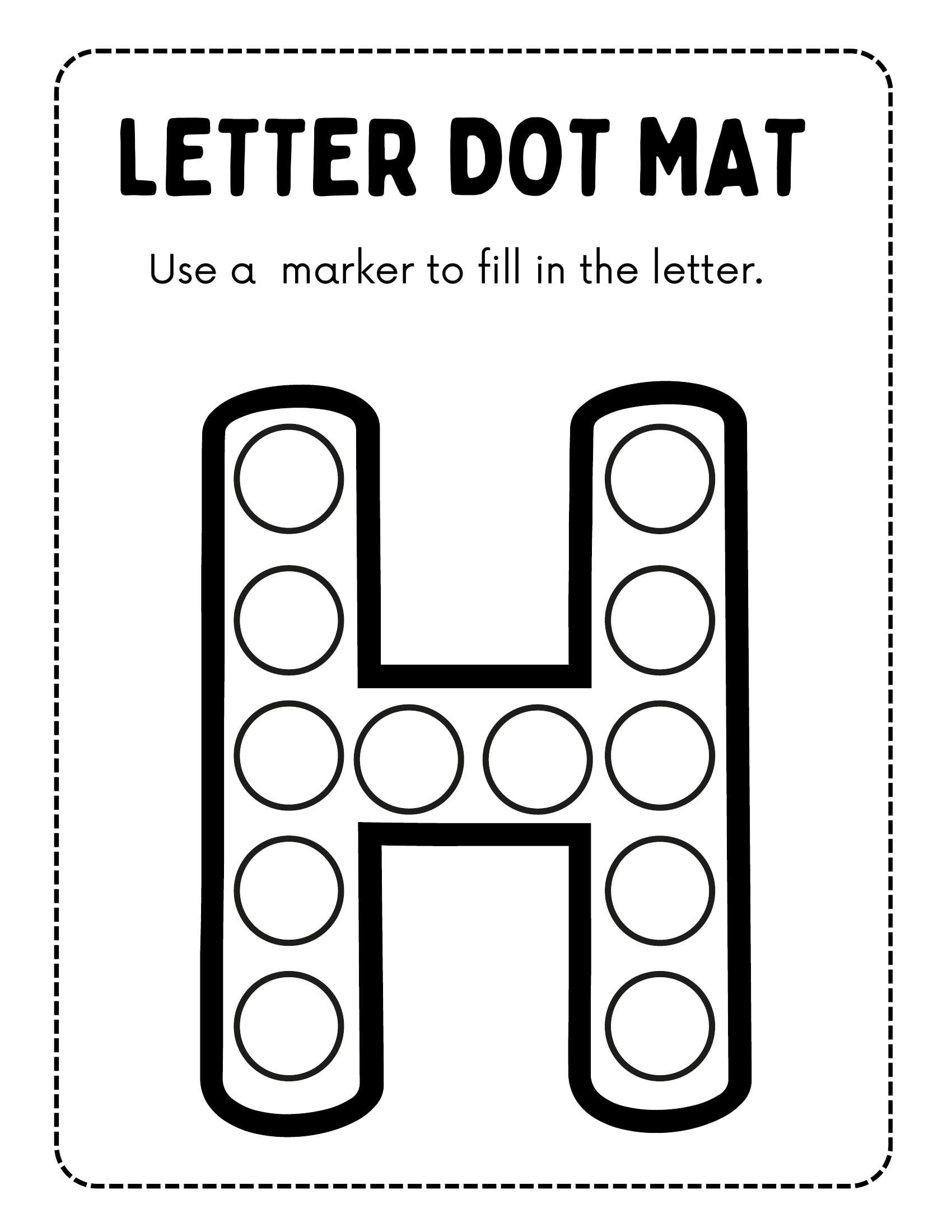
The eighth worksheet features uppercase H with circles positioned across its shape. Children can place one dot at a time until the letter is filled.
This creates a simple activity that can fit into a preschool learning routine. Let your child take short breaks if needed. When they finish, celebrate their effort before moving to another letter.
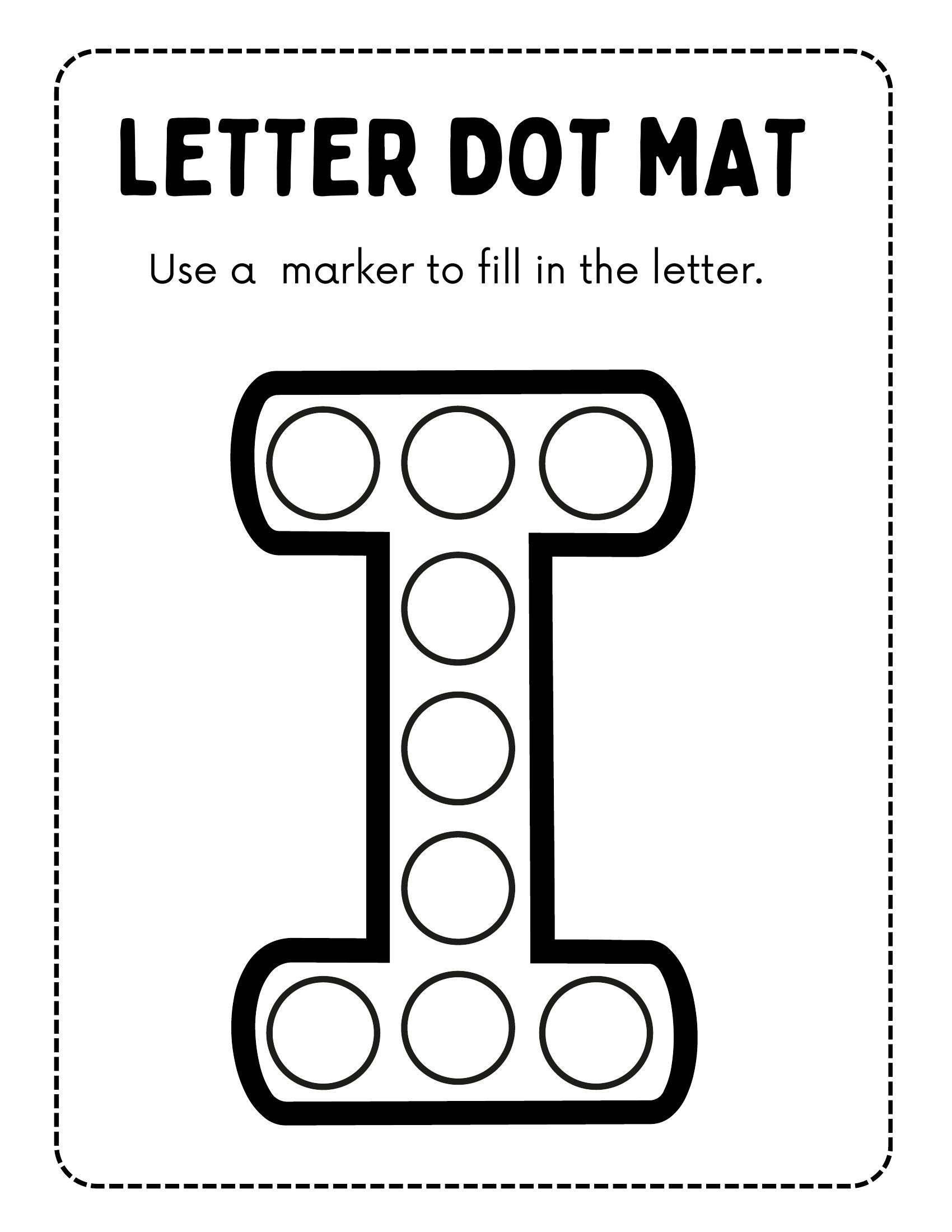
The I page gives children another uppercase letter to fill with dots. Its straight shape provides a clear example for young learners to observe.
Children can work from the top toward the bottom or choose their own pattern. Ask them to identify the letter before starting. Afterward, have them say “I” again while pointing to the finished page.
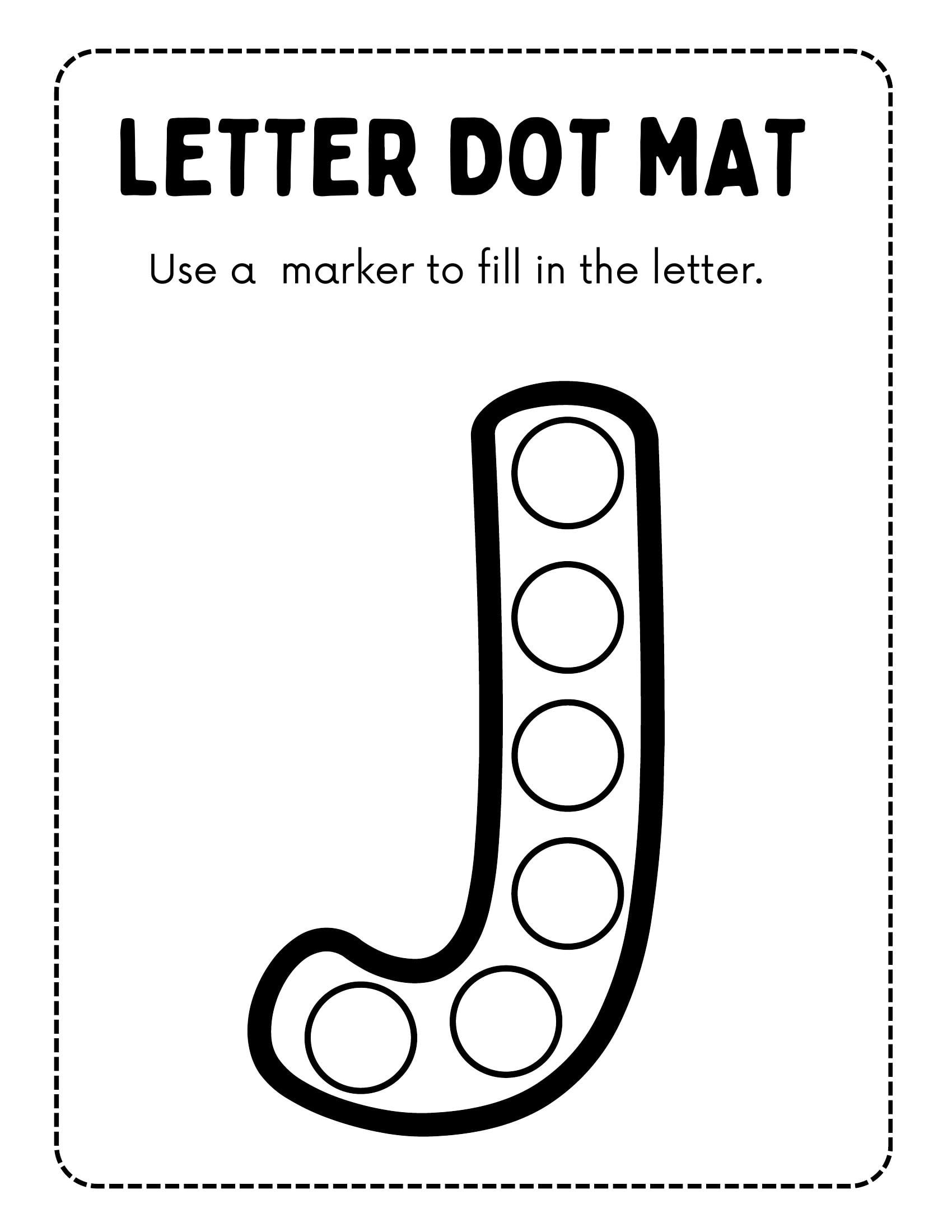
The tenth page introduces uppercase J in the same hands-on format. Children can fill the circles with markers while following the curved and straight parts of the letter.
This keeps the activity focused without making it feel difficult. You can invite your child to say the letter name as they work. Once the page is finished, display it with the other completed letters.
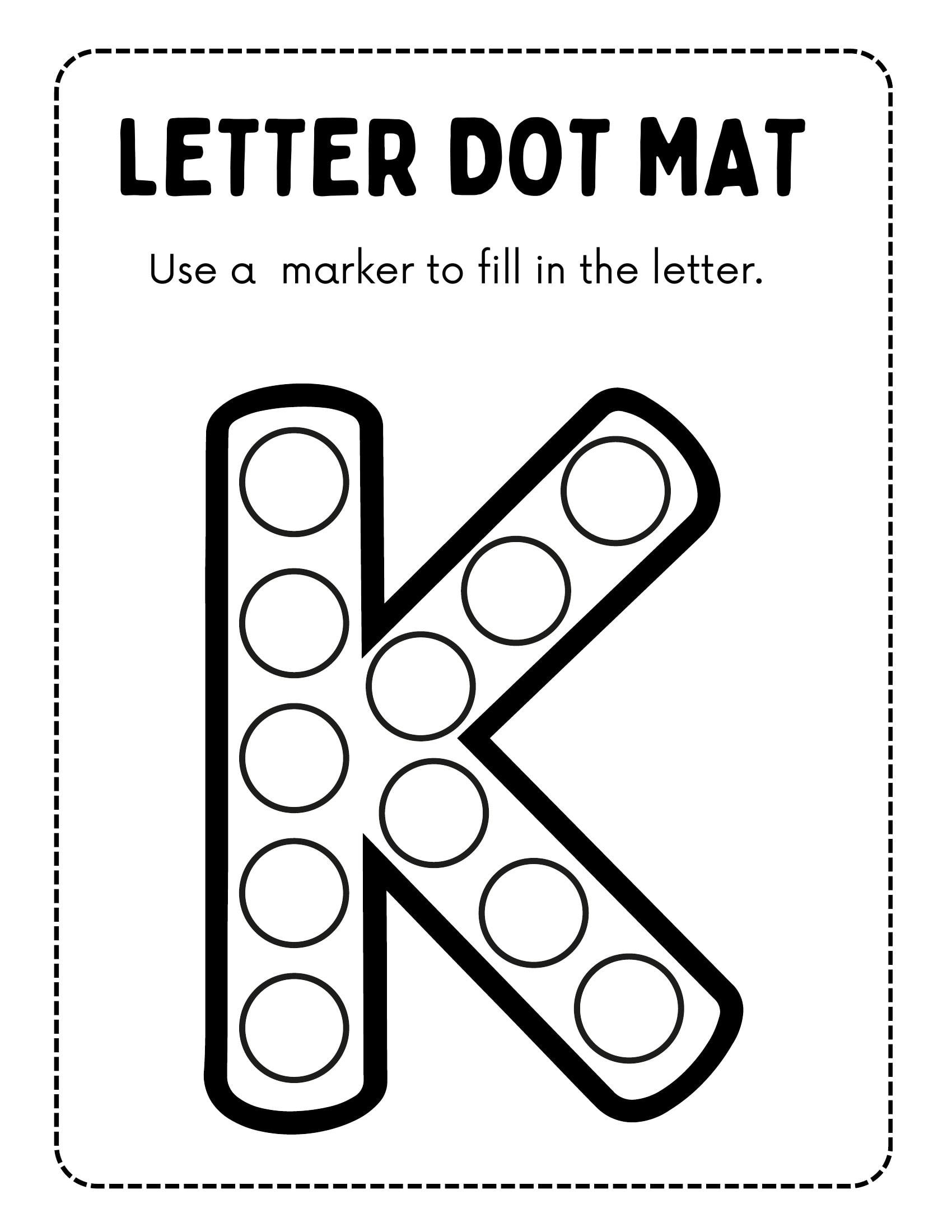
The K dot mat gives children another uppercase letter to explore. Its angled lines create a different shape from the curved letters before it.
Children can fill each circle with a marker while looking at the letter carefully. Ask them to say “K” as they work from one dot to another. You can also invite them to name a word that begins with K.
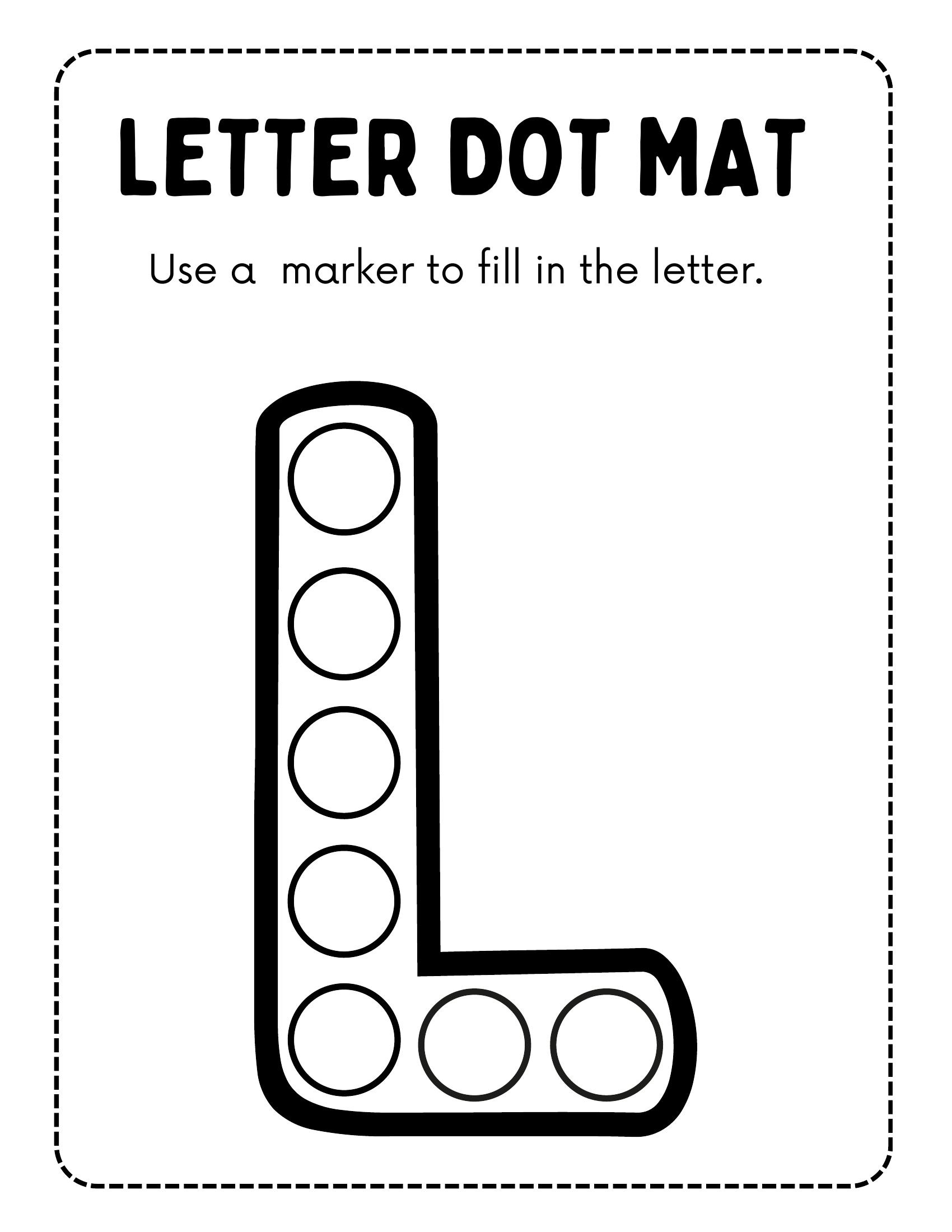
The twelfth page features a large uppercase L. Children can fill the circles along its straight lines using their favorite marker.
The simple shape makes this page easy to approach during short practice sessions. Encourage your child to point to L before starting the activity. Afterward, say the letter together and admire the finished mat.
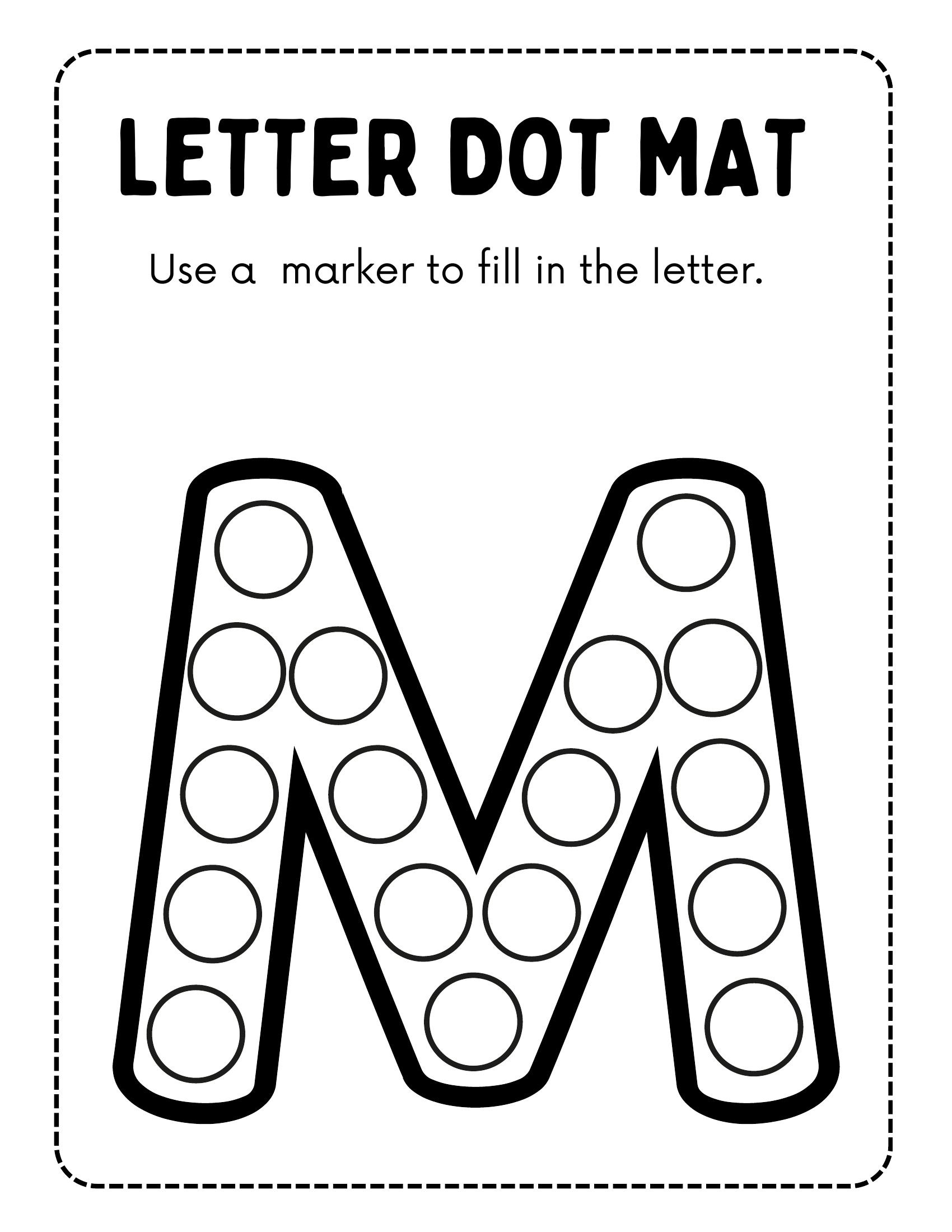
The M worksheet introduces a letter with several tall lines and angles. Children can fill the dots while following the overall shape of the letter.
Using different marker colors can make the page more playful. Ask your child to identify M before they begin. You can also practice saying the letter name together while they work.
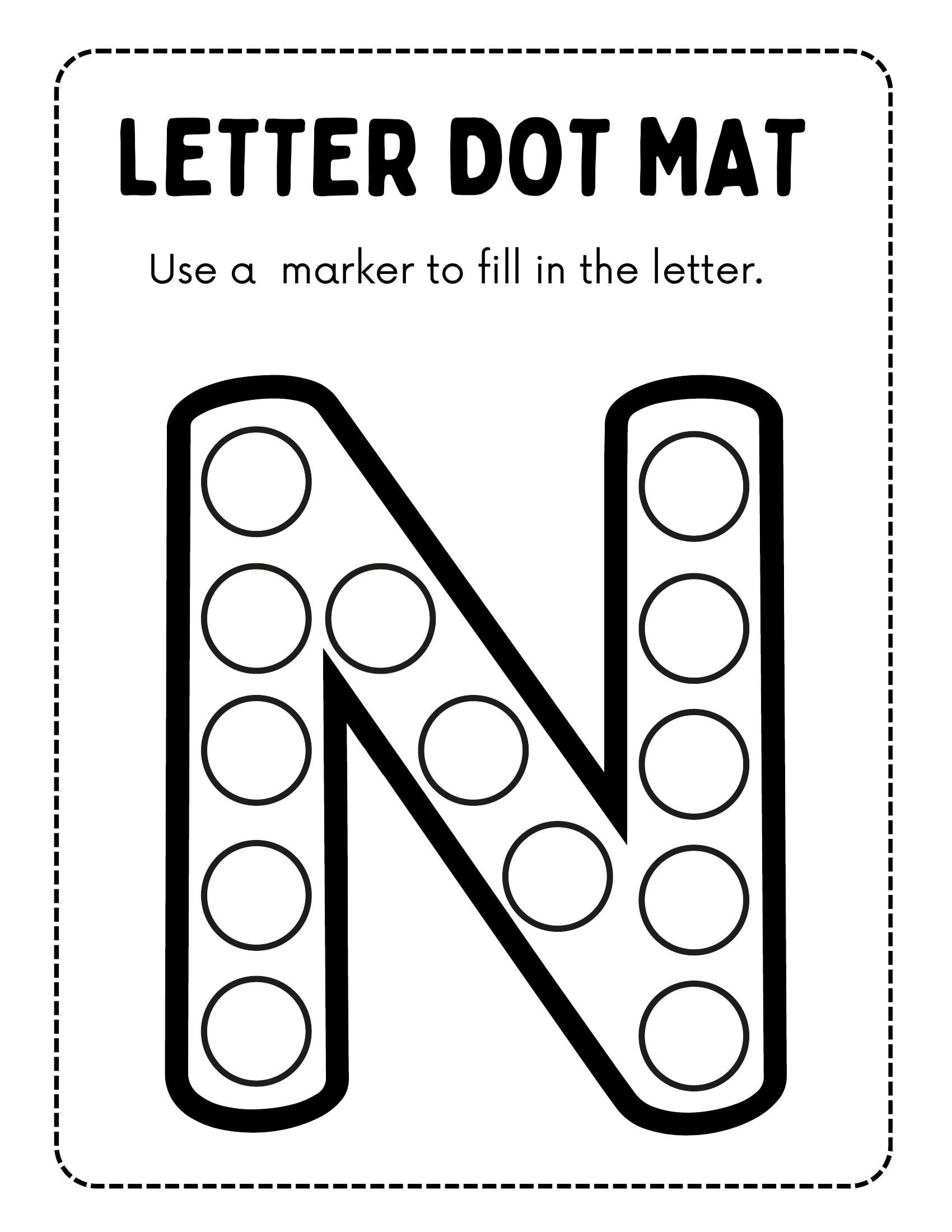
The fourteenth page focuses on uppercase N with dot spaces placed along its outline. Children can work through the circles while becoming more familiar with the letter shape.
Give them time to complete each dot without rushing. Once they finish, ask them to point to N on the page. This quick review adds another moment of letter recognition practice.
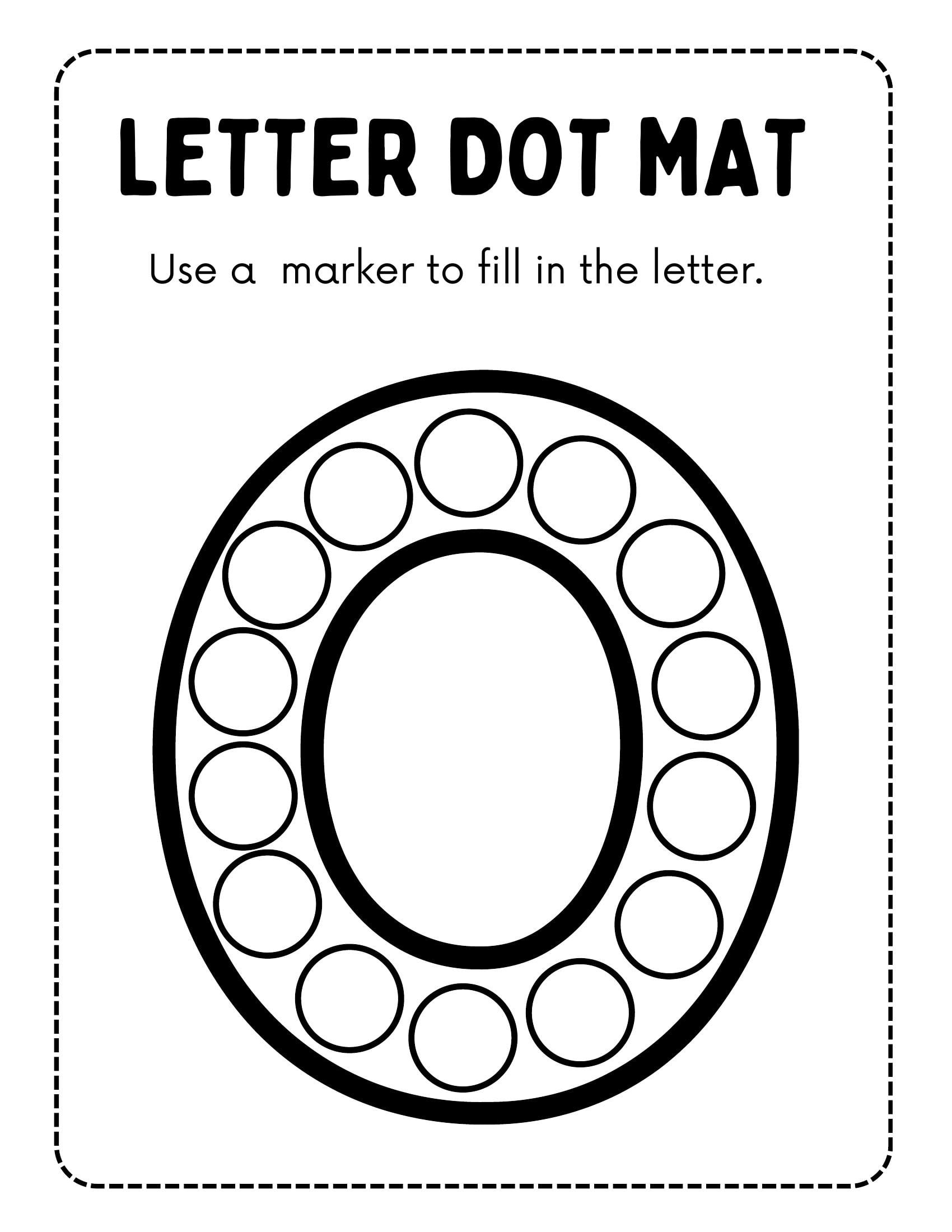
The O dot mat features a large rounded letter with circles around its shape. Children can fill each space while noticing its smooth, circular form.
This page can be especially fun with a bright marker color. Encourage your child to say “O” before placing the first dot. When finished, ask them to find another O around the room.
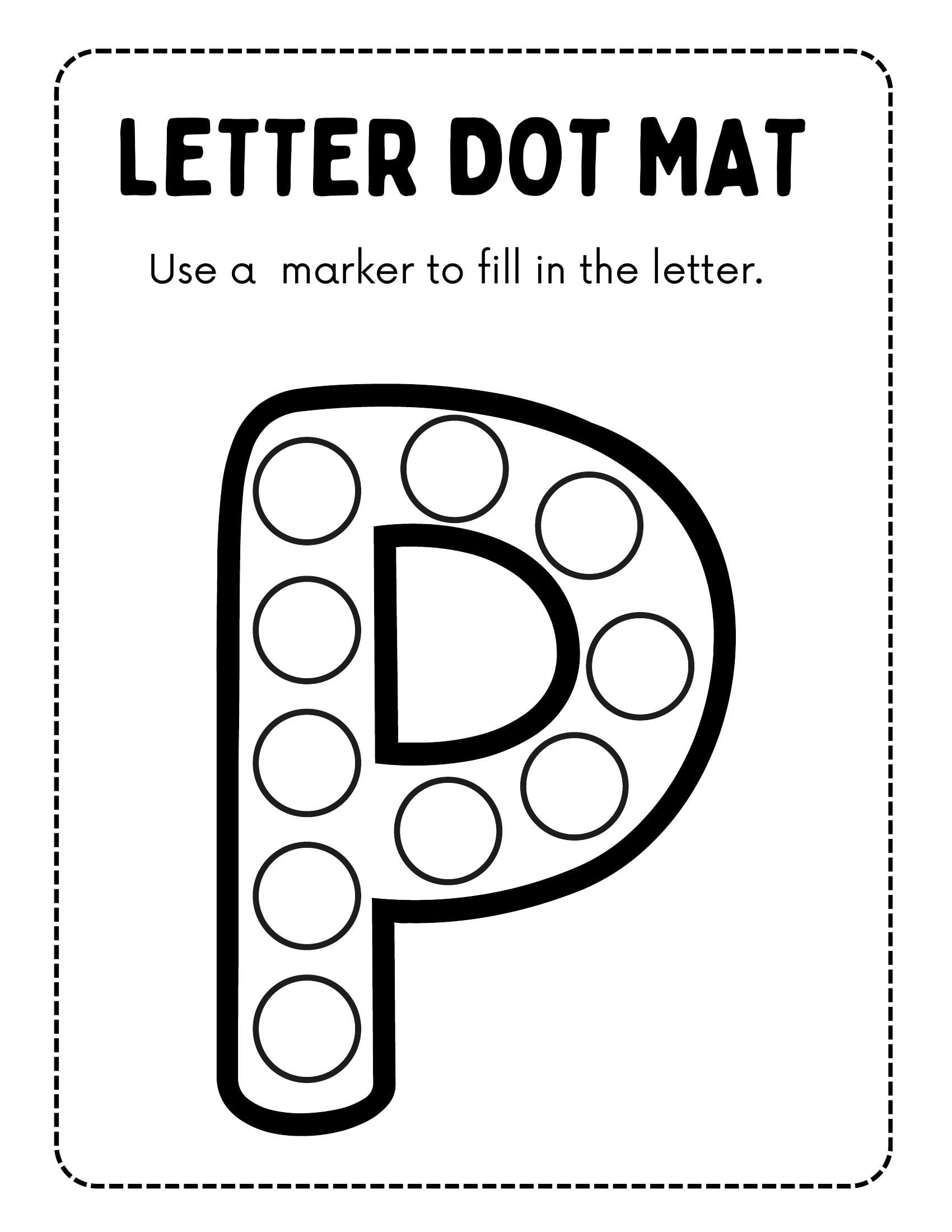
The sixteenth worksheet features uppercase P with several circles inside its bold outline. Children can use a marker to fill each space while focusing on the letter.
The activity gives them a chance to practice recognition through movement. Ask your child to name P before starting. Then, let them proudly show you their completed letter.
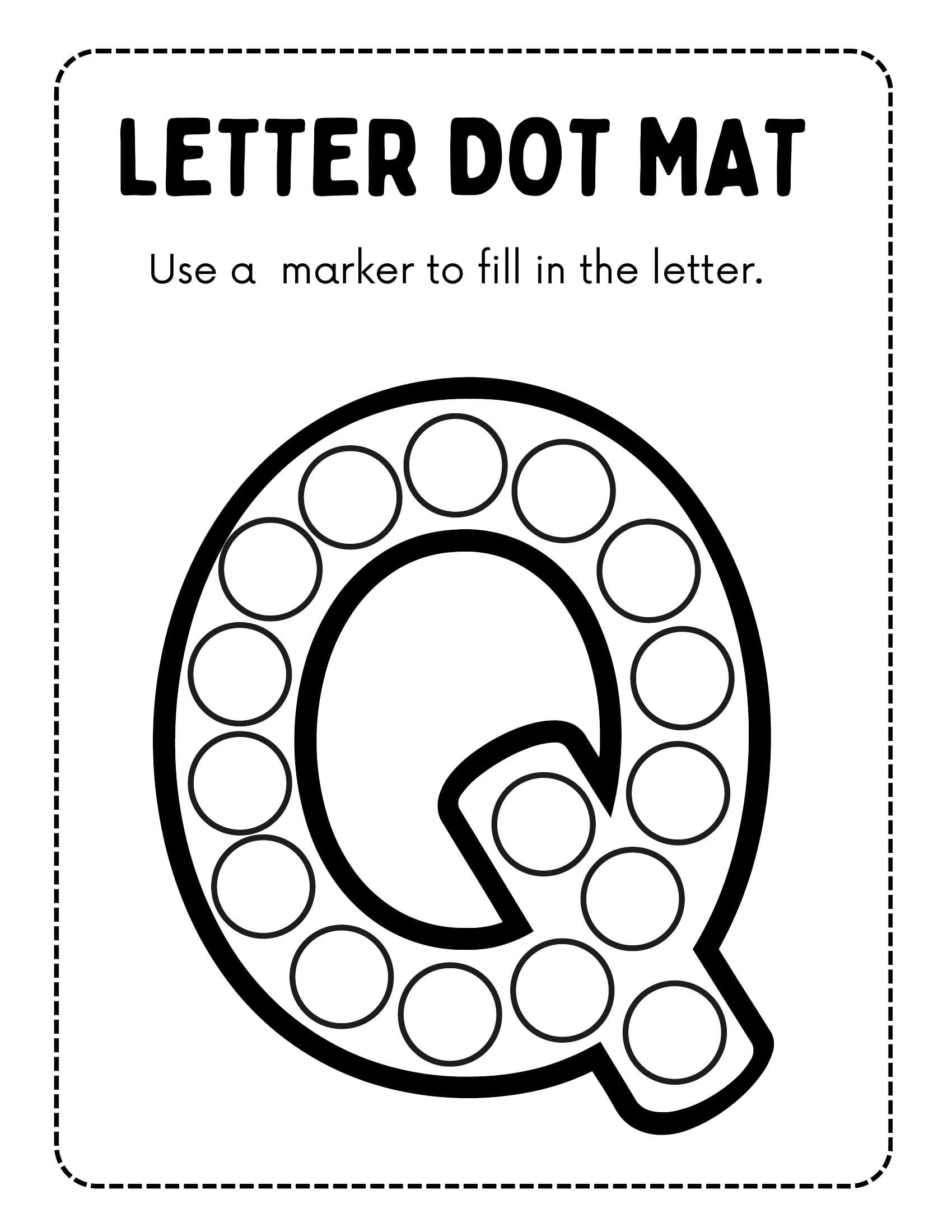
The Q page adds a slightly different shape to the alphabet practice. Children can fill the circles around the rounded letter and its small tail.
Encourage them to look carefully at the entire letter before beginning. You can say the letter name together as each dot is added. This keeps the activity focused while still feeling playful.
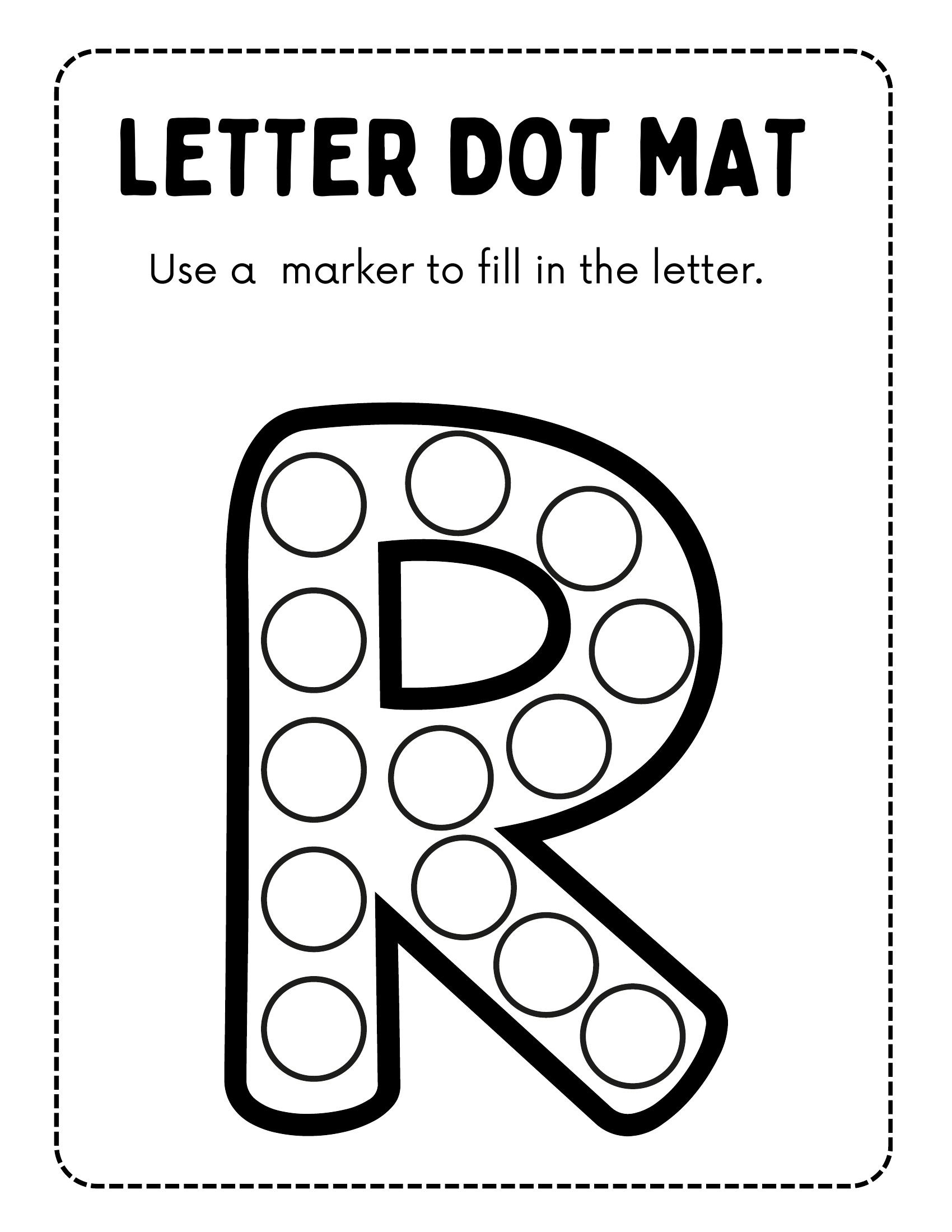
The eighteenth page features uppercase R with a bold, easy-to-see outline. Children can fill the circles while following its different sections.
Let them choose how they want to work through the dots. After completing the page, ask them to identify the letter again. A quick review can help reinforce what they just practiced.
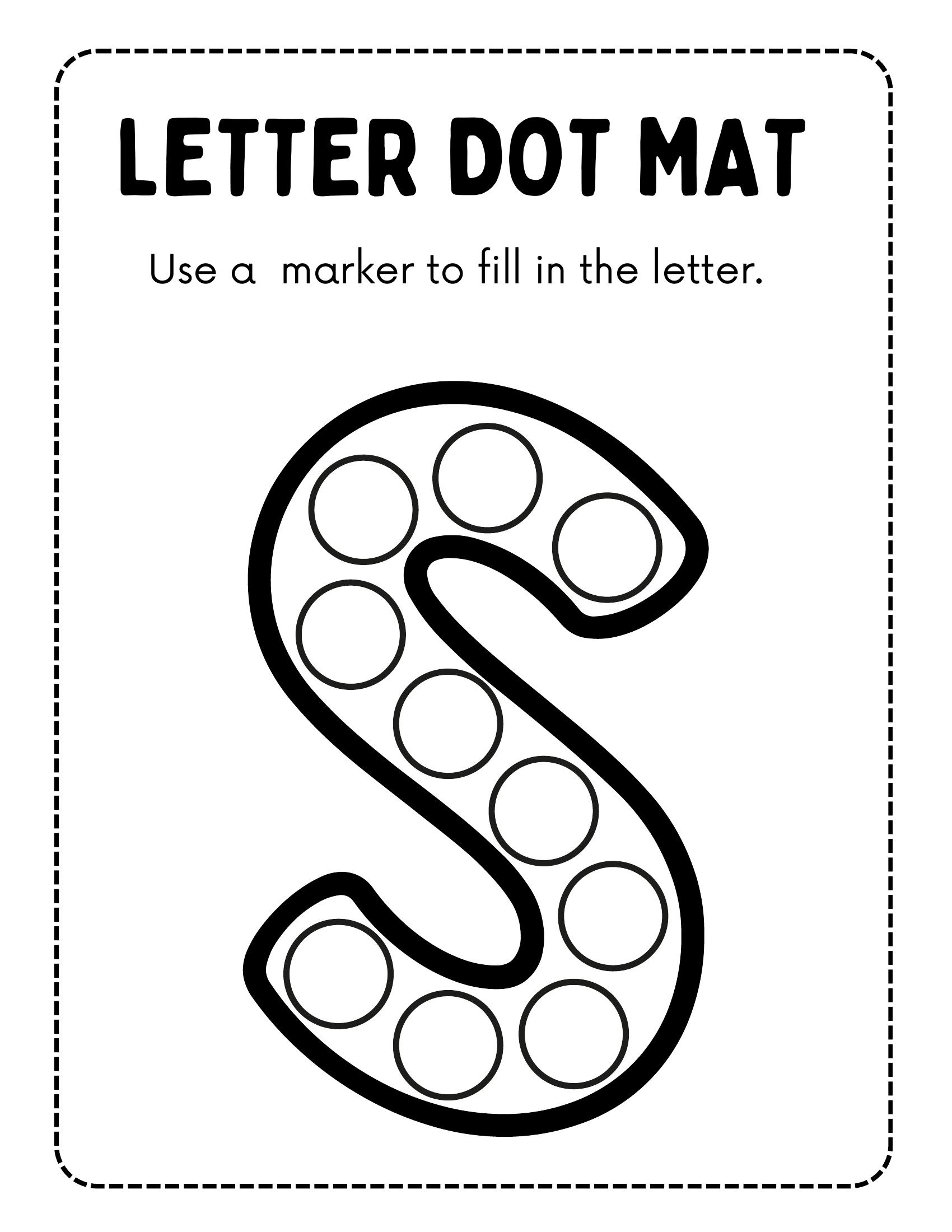
The S dot mat gives children a curved letter to fill with colorful dots. Its winding shape makes the activity different from the straighter letters.
Children can move their markers around the circles at a comfortable pace. Encourage them to say “S” as they work. You can finish by asking them to name something that starts with S.
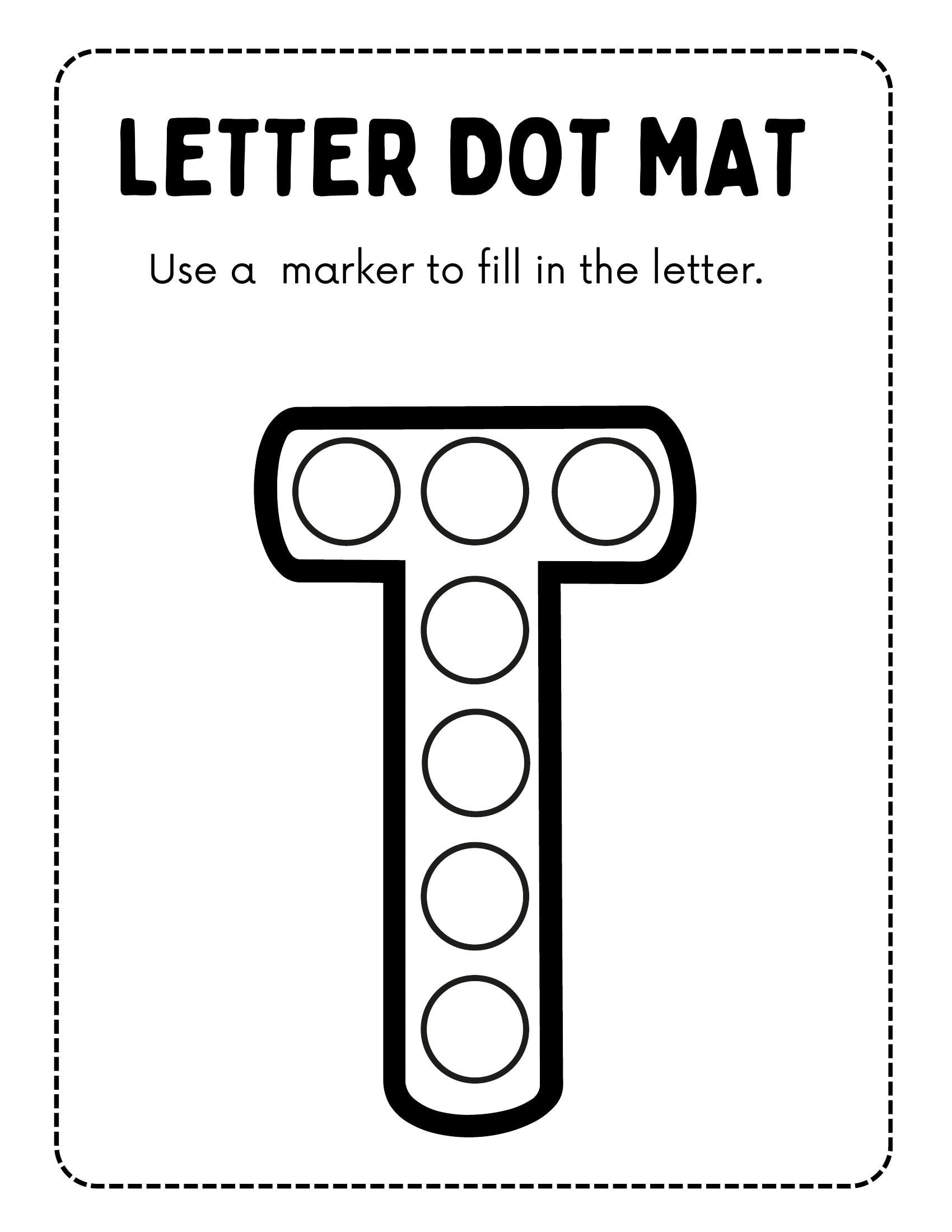
The twentieth page introduces uppercase T with circles placed across its top and stem. Children can fill the dots while paying attention to the letter’s structure.
The simple design works well for a quick preschool activity. Ask your child to point to T before using the marker. Once they finish, celebrate their effort and move on when they are ready.
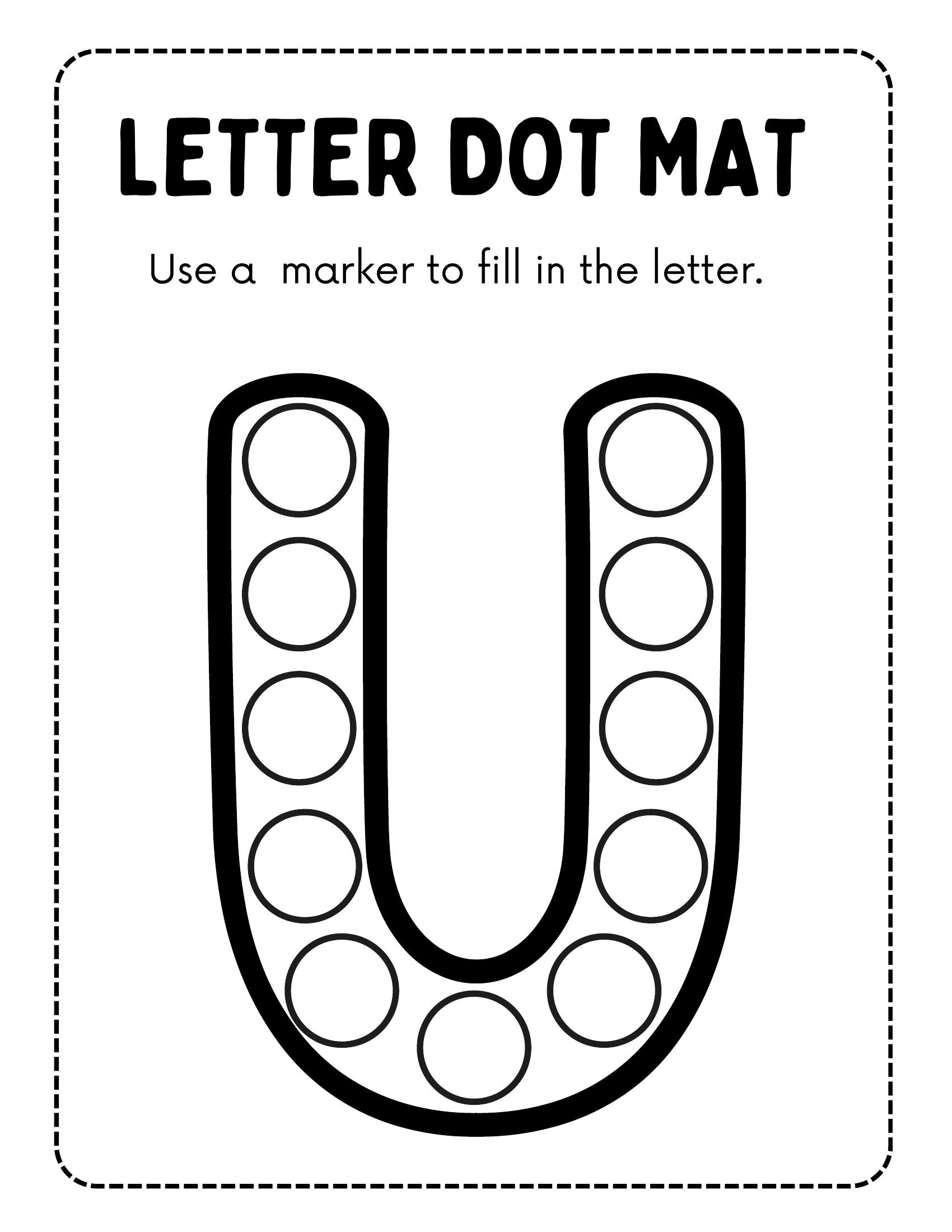
The U dot mat gives children another letter to practice with markers. Its rounded shape makes it easy to follow from one side to the other.
Children can fill each circle while paying attention to the letter’s form. Encourage your child to say “U” while working. Once finished, ask them to point out the letter on the page.
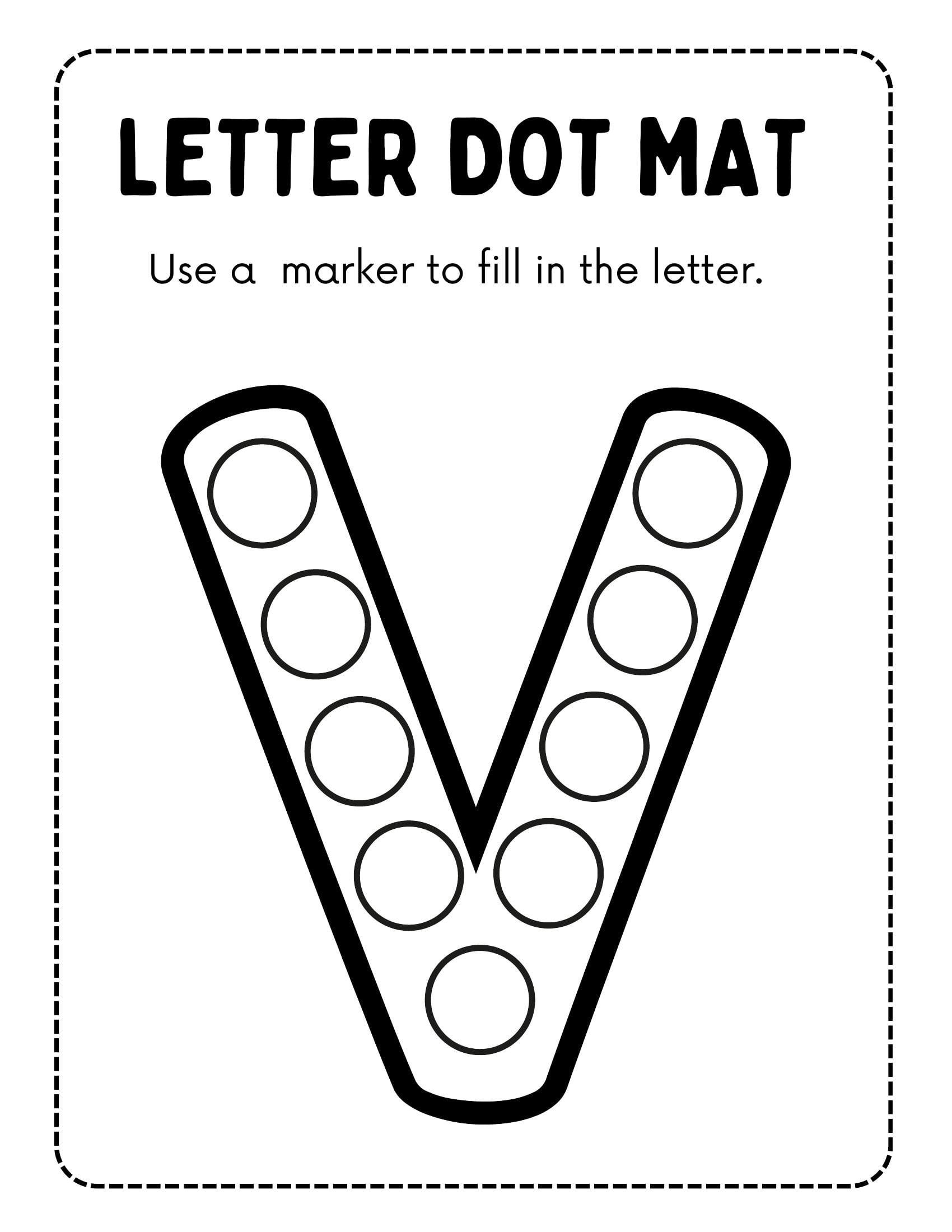
The twenty-second page features uppercase V with circles along its letter shape. Children can fill the dots while noticing its pointed design.
Let them work slowly and enjoy choosing different marker colors. You can ask them to name the letter before they begin. A quick repeat at the end gives them another chance to recognize V.
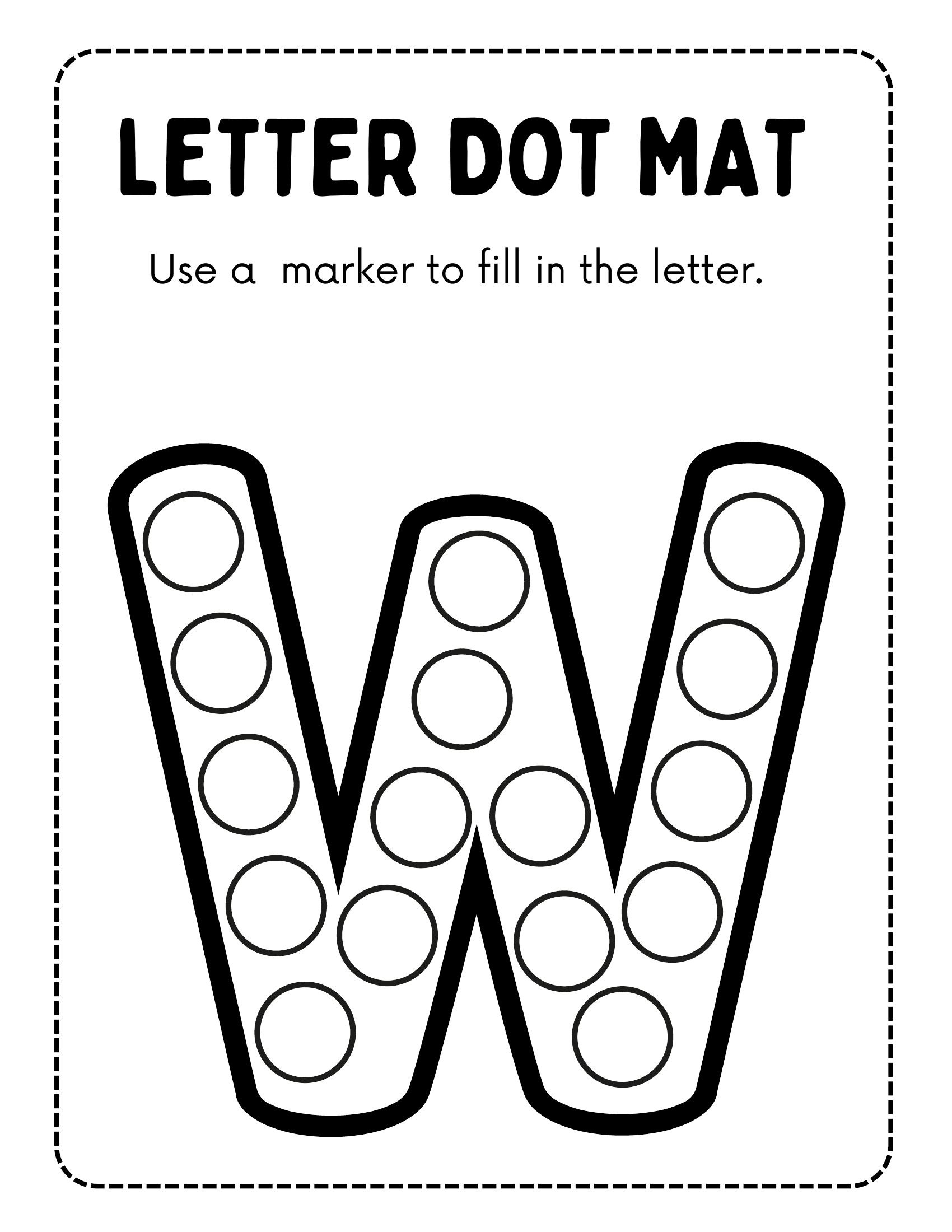
The W worksheet introduces a letter with several angled lines. Children can fill the circles while following the letter from one section to another.
The hands-on task gives them a simple reason to look closely at W. Encourage them to say the letter name as they add each dot. Afterward, ask if they can think of a word beginning with W.
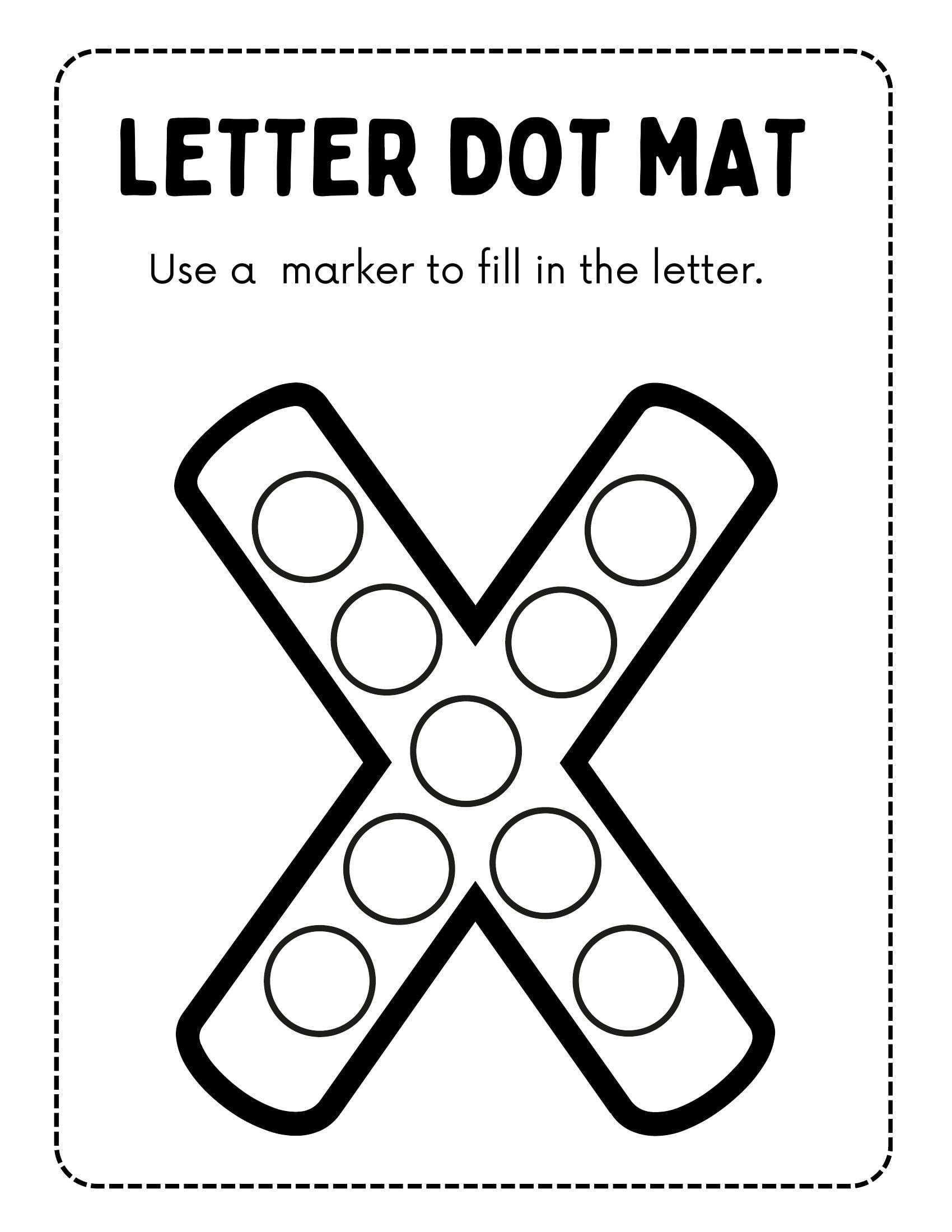
The twenty-fourth page focuses on uppercase X. Its crossing lines give children a different shape to explore with their markers.
They can fill each circle while watching how the dots form the letter. Ask your child to identify X before starting. When the mat is complete, let them show you their colorful work.
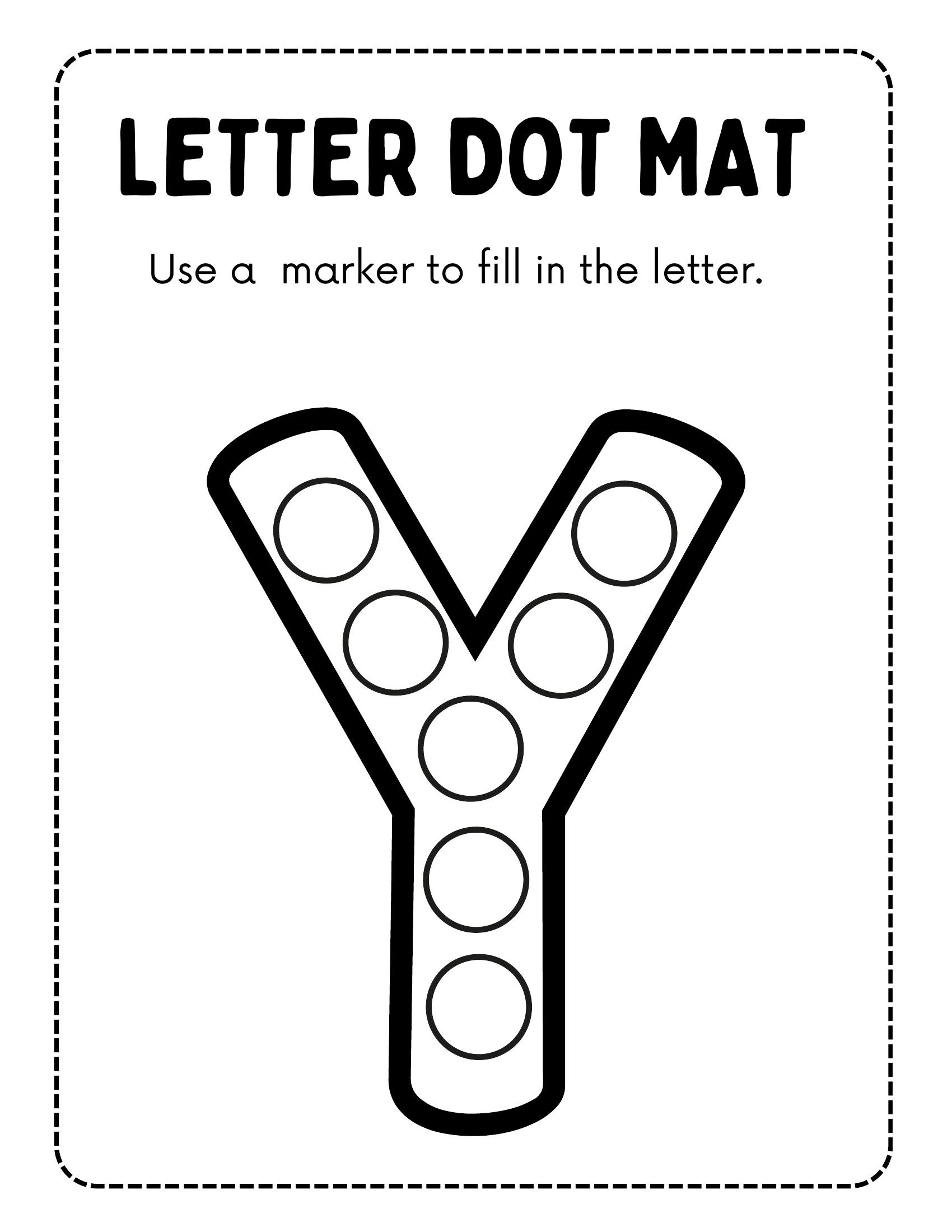
The Y dot mat gives children another opportunity to practice letter recognition. Its branching shape makes it easy to compare with some earlier letters.
Children can fill the circles one at a time using a marker. Encourage them to say “Y” while completing the page. You can also ask them to name something that begins with Y.
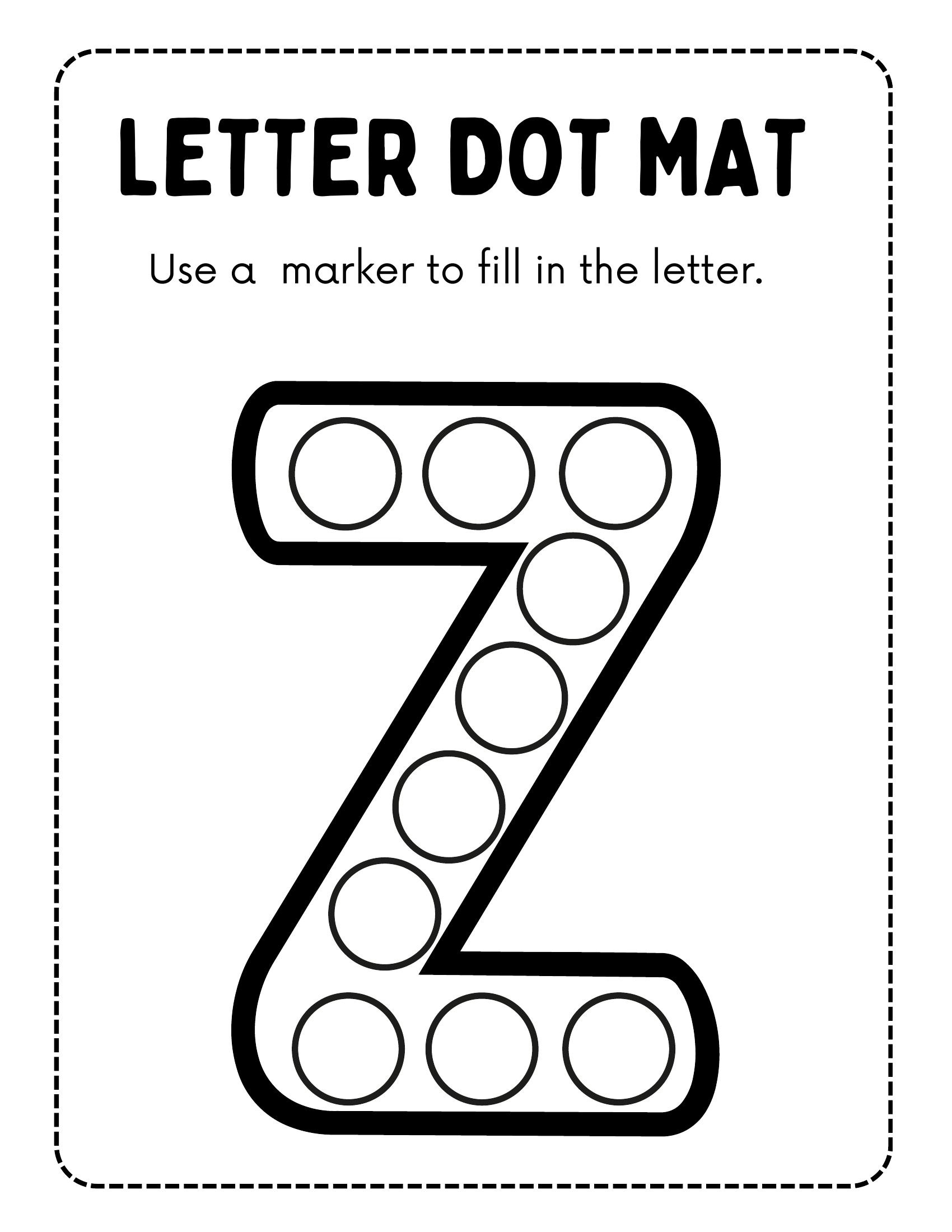
The final page features uppercase Z, completing the alphabet collection. Children can fill the circles while following its straight and angled lines.
Reaching this page can make the activity feel like a small alphabet accomplishment. Ask your child to name Z before beginning the dots. Once finished, place the completed pages together and celebrate finishing all 26 letters.
Final Thoughts
These Do a Dot Alphabet Worksheets give preschoolers a simple way to practice all 26 letters.
Each page focuses on one uppercase letter with circles ready for colorful dots. The hands-on format can make alphabet practice feel more playful and less like a routine lesson.
For parents and tutors, these pages are easy to add to a preschool learning routine. Print one letter at a time or prepare several pages for a longer activity.
Let children choose their markers and fill the dots at their own pace. A little encouragement can make the experience even more enjoyable.
Once all 26 pages are finished, you can place the letters together as an alphabet collection. Keep the completed sheets in a folder for children to revisit later.
These simple dot activities can become a fun part of regular letter recognition practice.