26 Engaging Alphabet Tracing Worksheets for Kids
Disclosure: Some of the links in this post are affiliate links. This means if you click on the link and purchase an item, I will receive an affiliate commission at no extra cost to you.
Learning to write letters takes practice, especially when children are just starting to recognize their shapes. Alphabet Tracing Worksheets give kids clear letter guides to follow as they develop their handwriting skills.
With repeated practice, children can become more familiar with uppercase and lowercase letters.
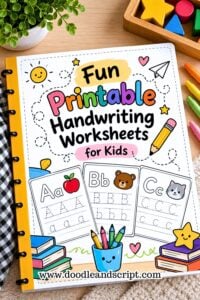
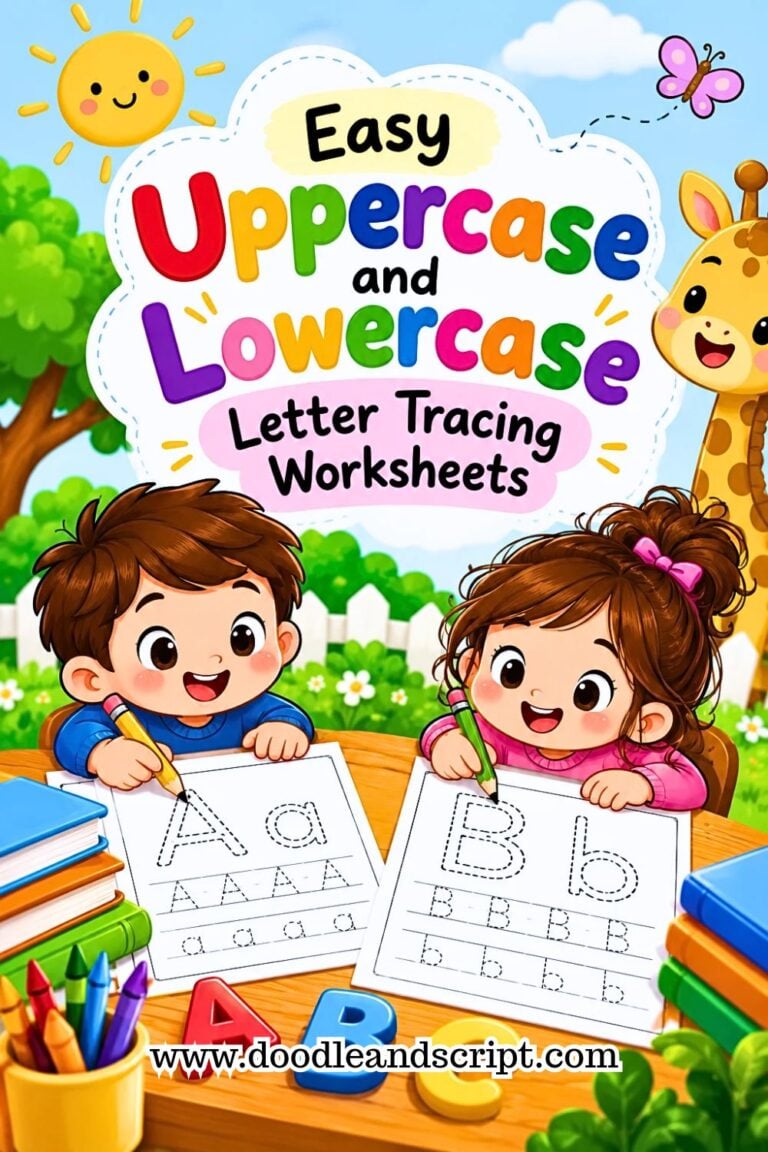
This 26-page printable focuses on the alphabet from A to Z. Each worksheet features one letter in uppercase and lowercase forms, along with tracing lines for repeated practice.
Children can also enjoy a simple picture on each page, such as an apple, dove, cat, dog, globe, or grape. These familiar pictures add a little variety to letter practice.
Parents and teachers can use these worksheets during short handwriting sessions at home or in the classroom.
Start with a letter your child already recognizes, then introduce a new one. Encourage children to follow the tracing guides slowly before trying the letters on their own.
You can also say each letter’s sound and name the picture together. This makes alphabet practice a simple way to work on letter recognition and early writing.
Alphabet Tracing Worksheets A–Z
1. Letter A Tracing Worksheet
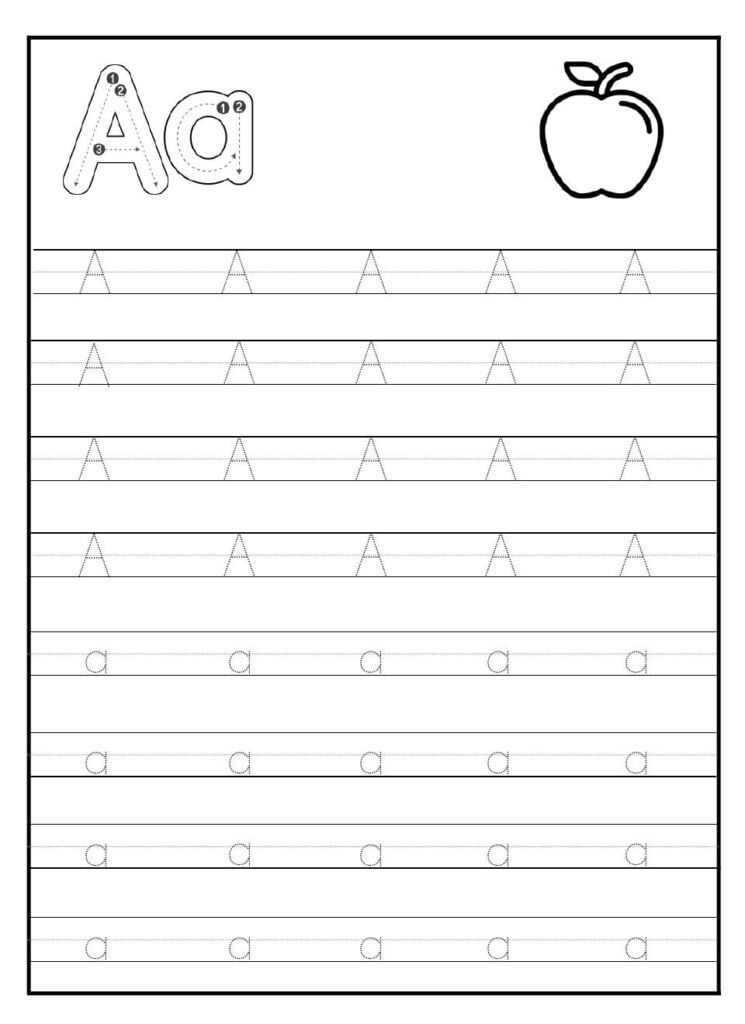
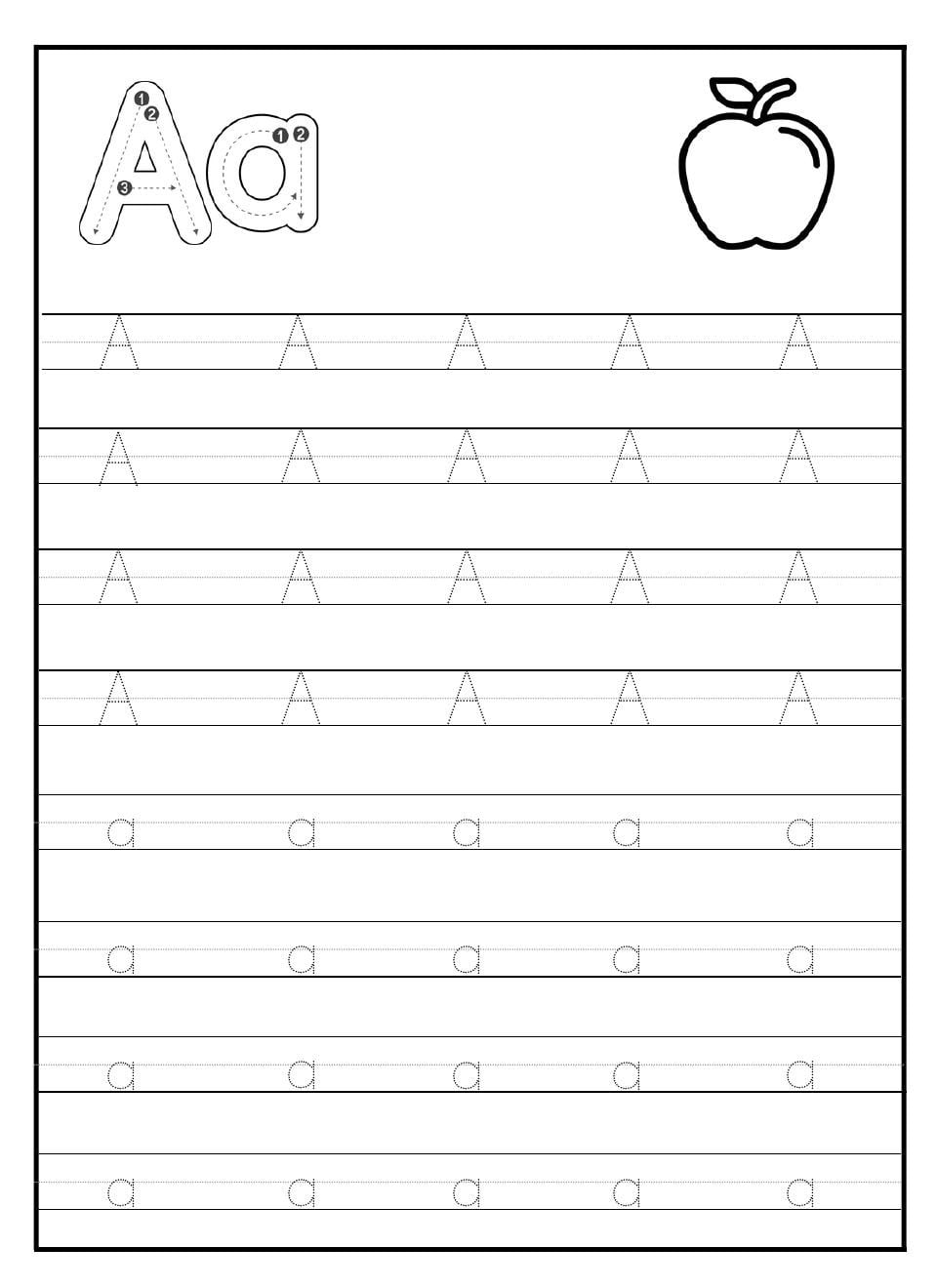
The first worksheet introduces uppercase A and lowercase a. Children trace both letters across several handwriting lines. A picture of an apple adds a familiar visual to the activity.
Encourage your child to follow the dotted guides before trying each letter independently. You can also practice saying the letter name and its sound together.
2. Letter B Tracing Worksheet
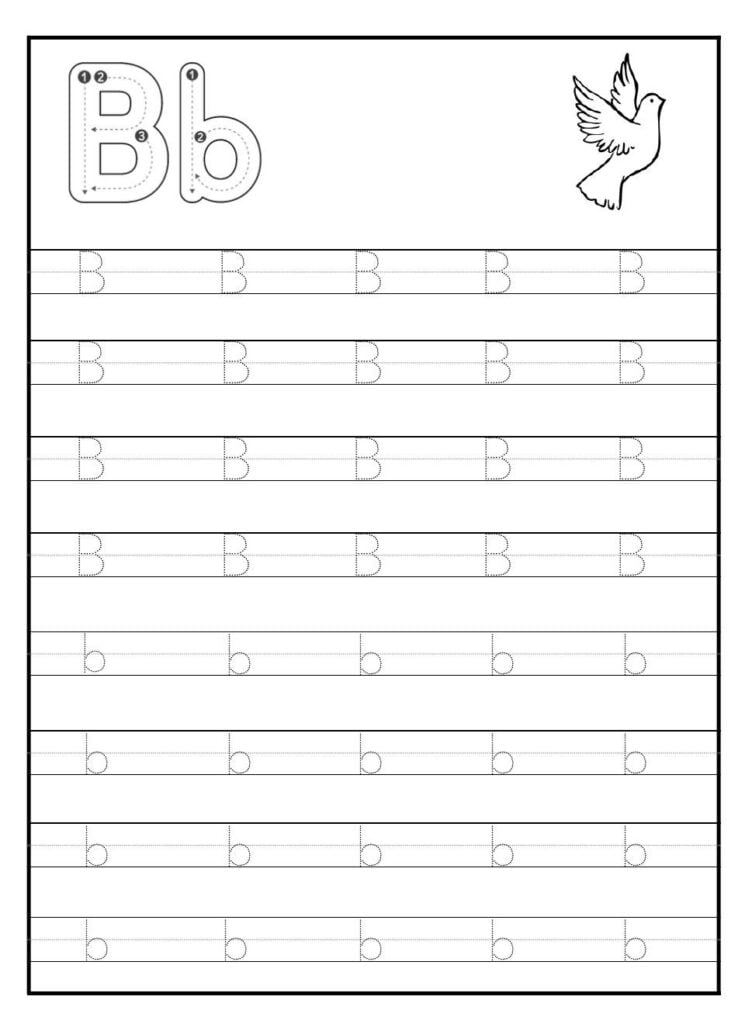
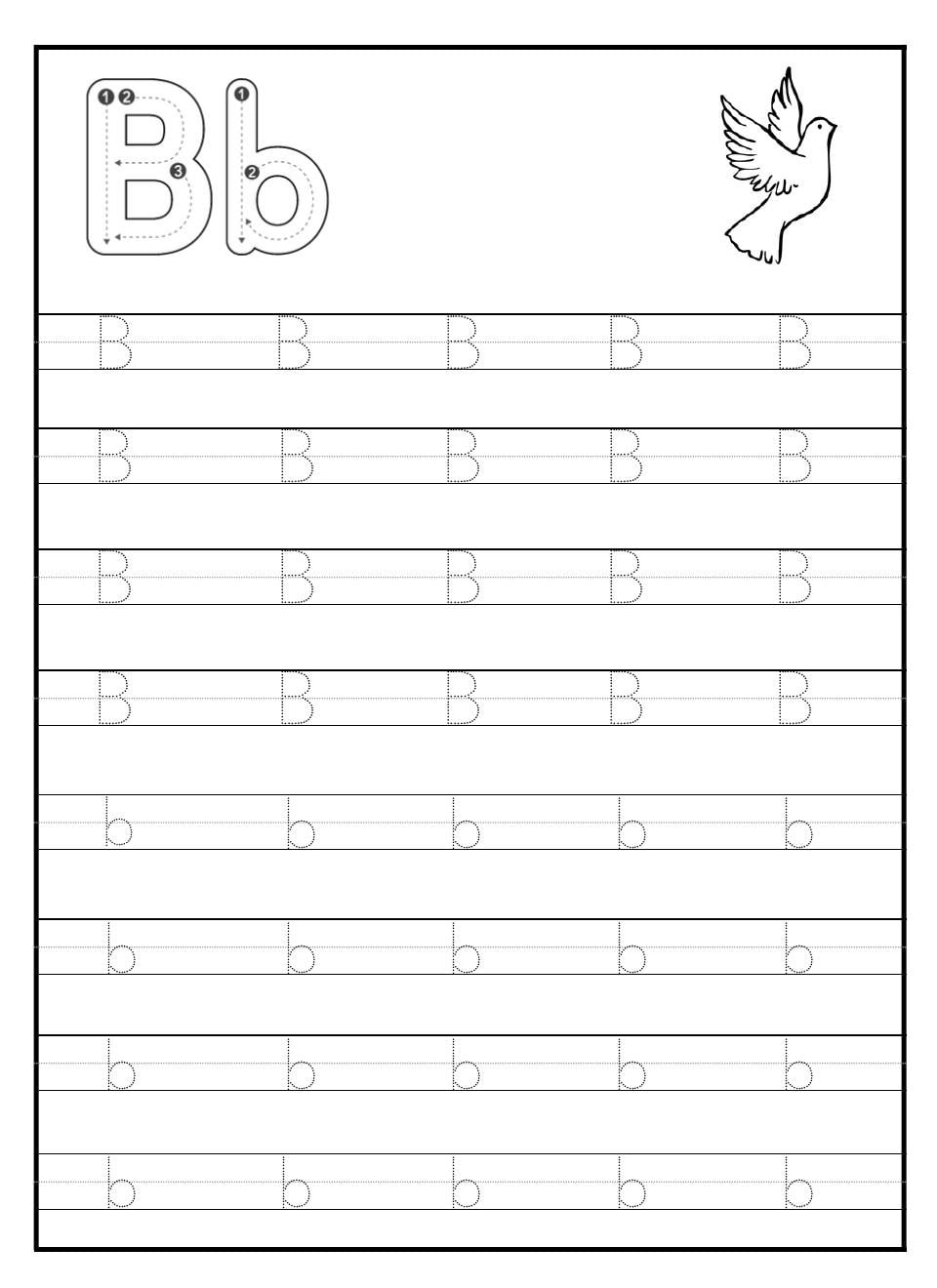
This printable focuses on uppercase B and lowercase b. Children repeat each letter across several lines to practice its shape. A picture of a bird adds a fun element to the page.
Help your child notice the difference between the two letter forms. Regular practice can make letter recognition easier.
3. Letter C Tracing Worksheet
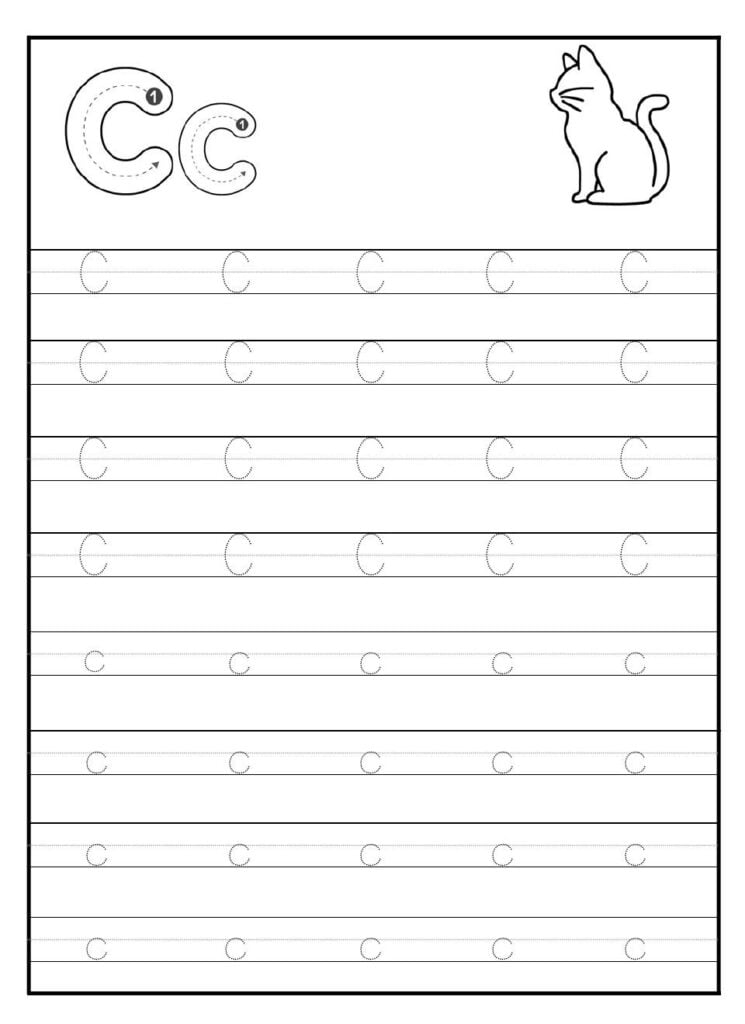
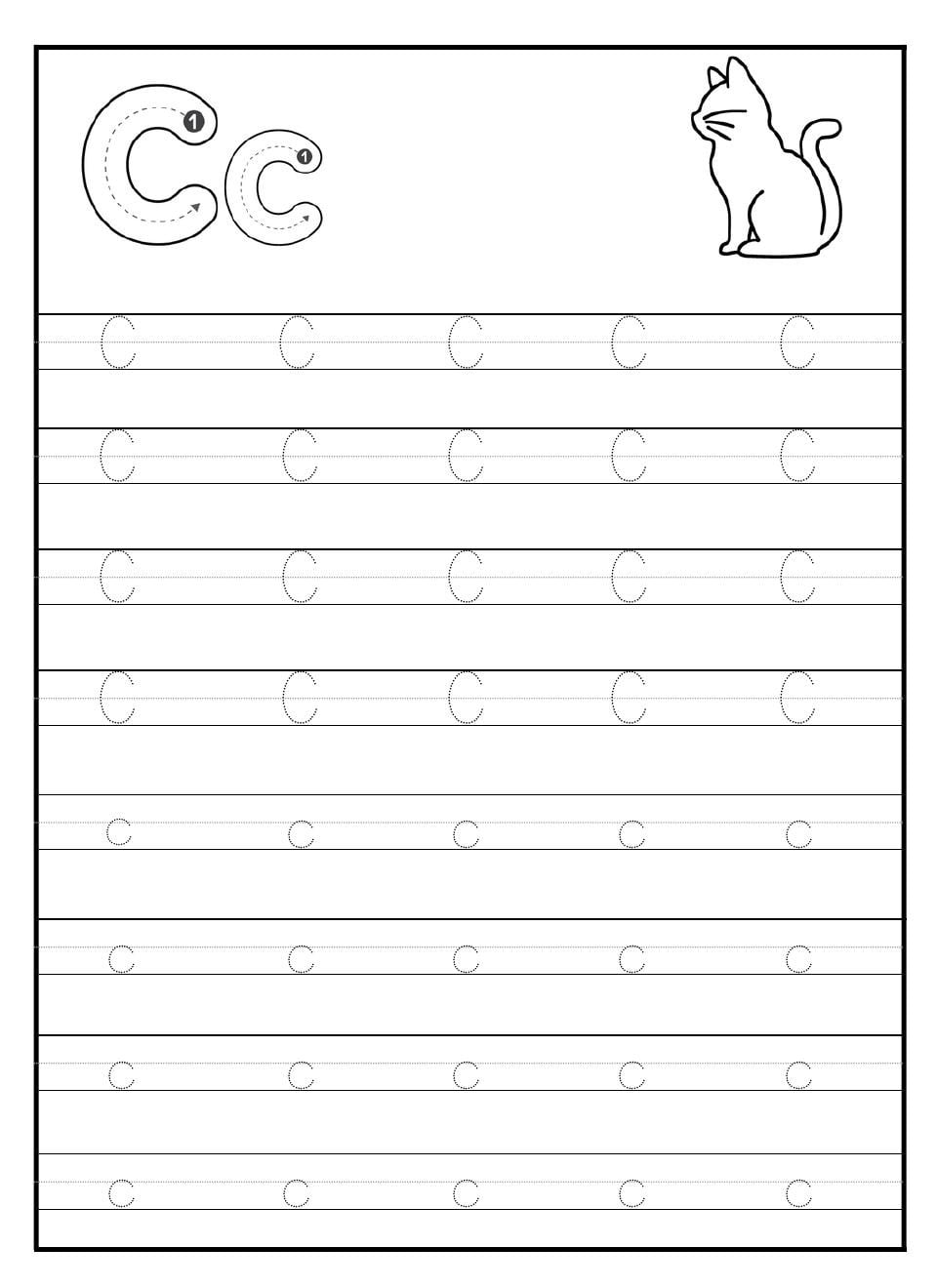
The third worksheet features uppercase C and lowercase c. Children trace each letter several times using the provided guides. A picture of a cat makes the page more engaging.
You can ask your child to say “cat” and identify its beginning sound. This connects handwriting practice with early letter recognition.
4. Letter D Tracing Worksheet
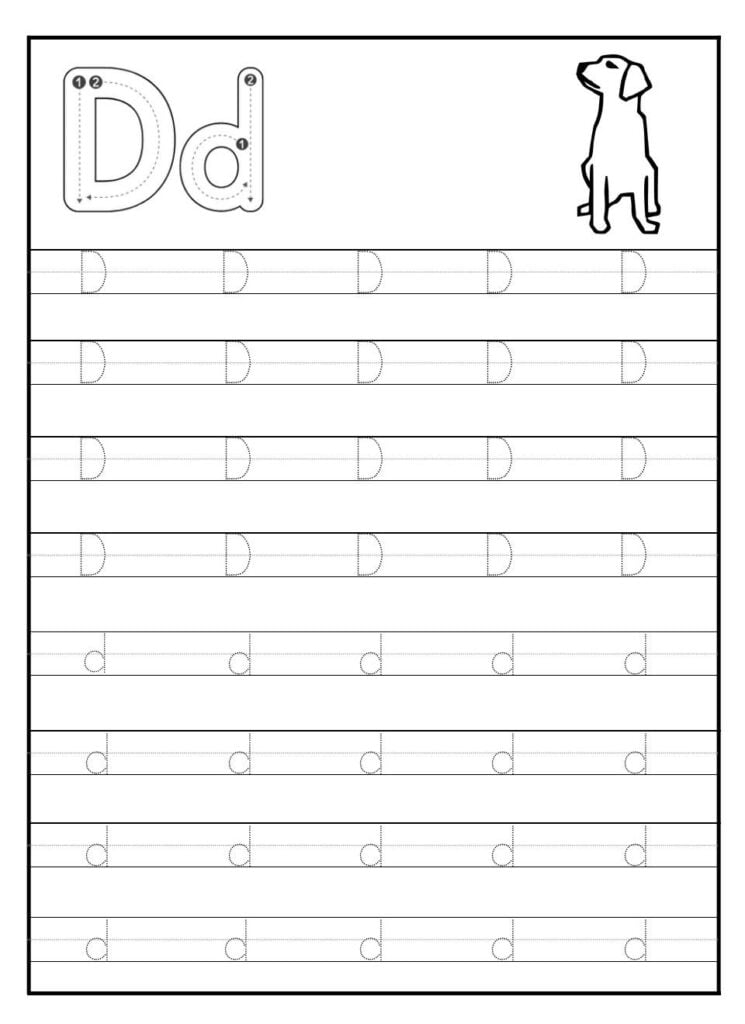
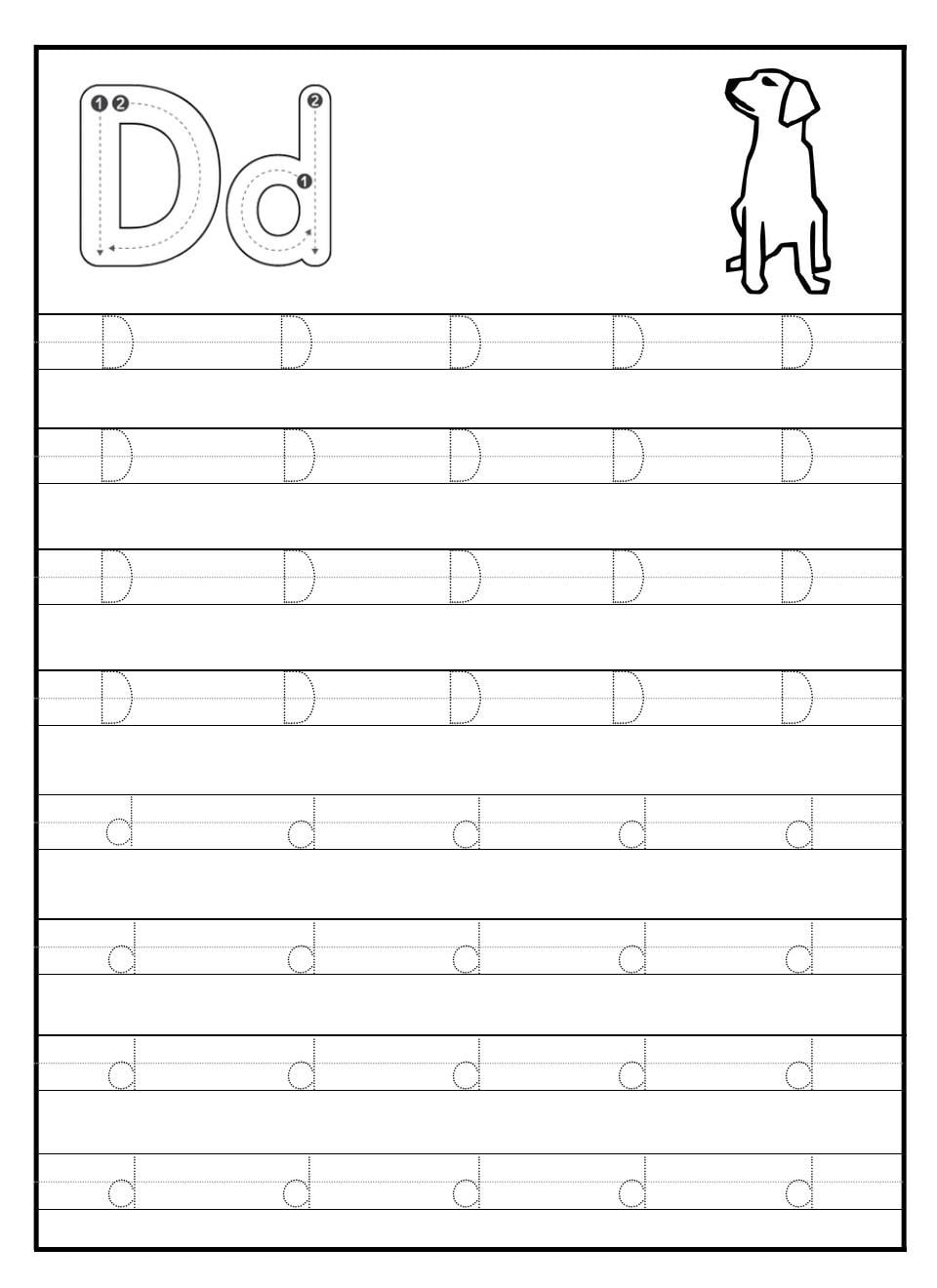
This page introduces uppercase D and lowercase d. Children practice both forms across repeated tracing lines. A picture of a dog gives them a familiar object to identify.
Encourage slow, careful movements as they follow each letter. You can also ask your child to name other words that begin with D.
5. Letter E Tracing Worksheet
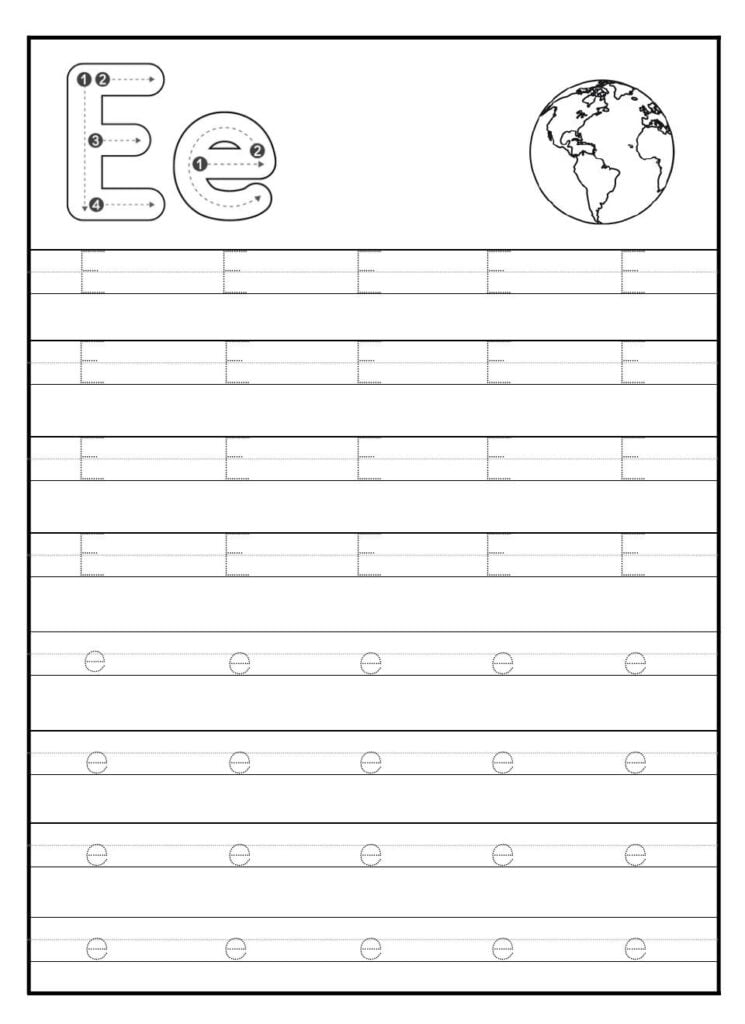
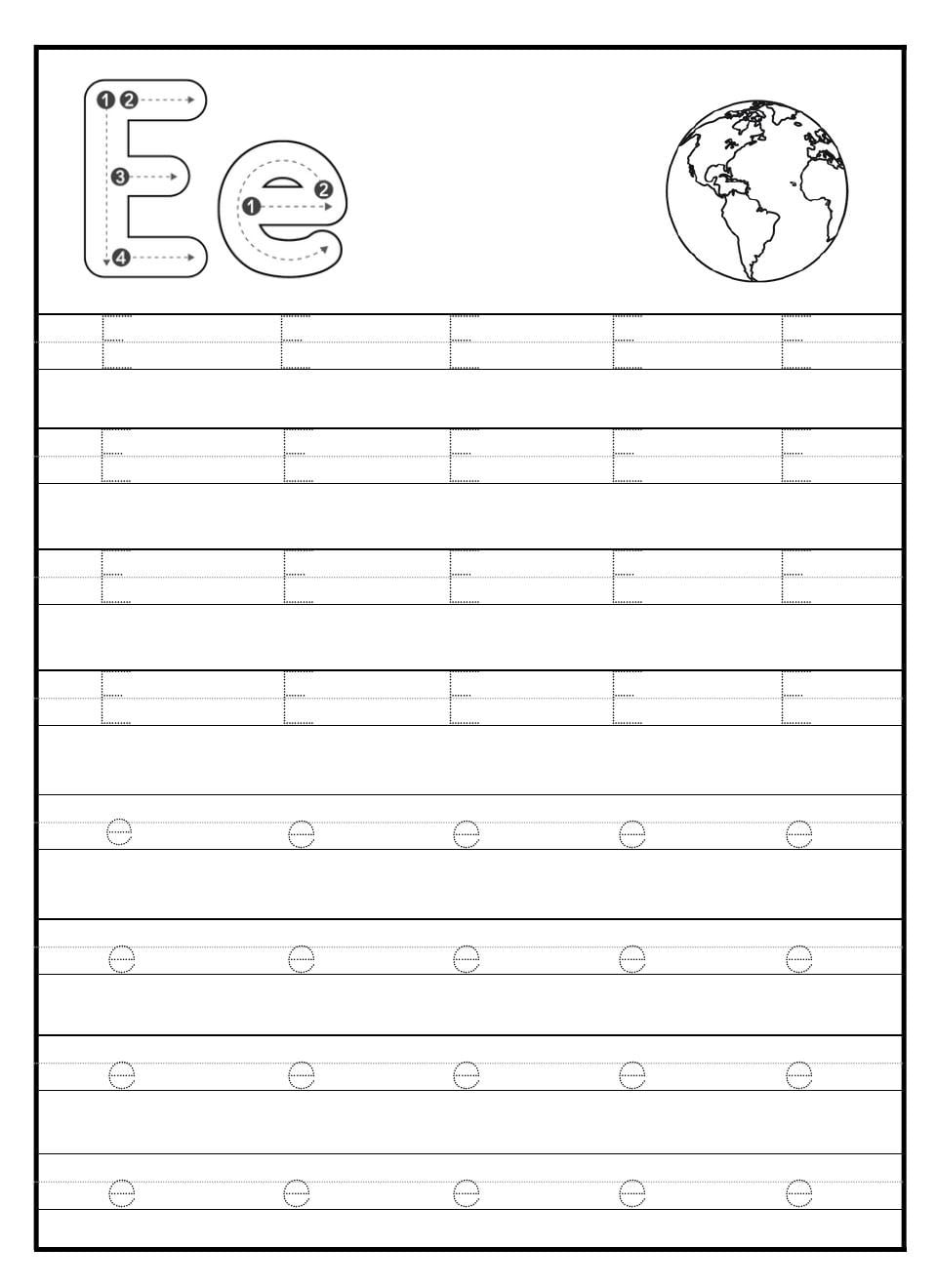
The fifth worksheet focuses on uppercase E and lowercase e. Children trace the letters repeatedly to become familiar with their shapes. A globe appears on the page as a visual companion.
You can use the picture to introduce the word “Earth” during practice. Keep the activity relaxed and let your child work at a comfortable pace.
6. Letter F Tracing Worksheet
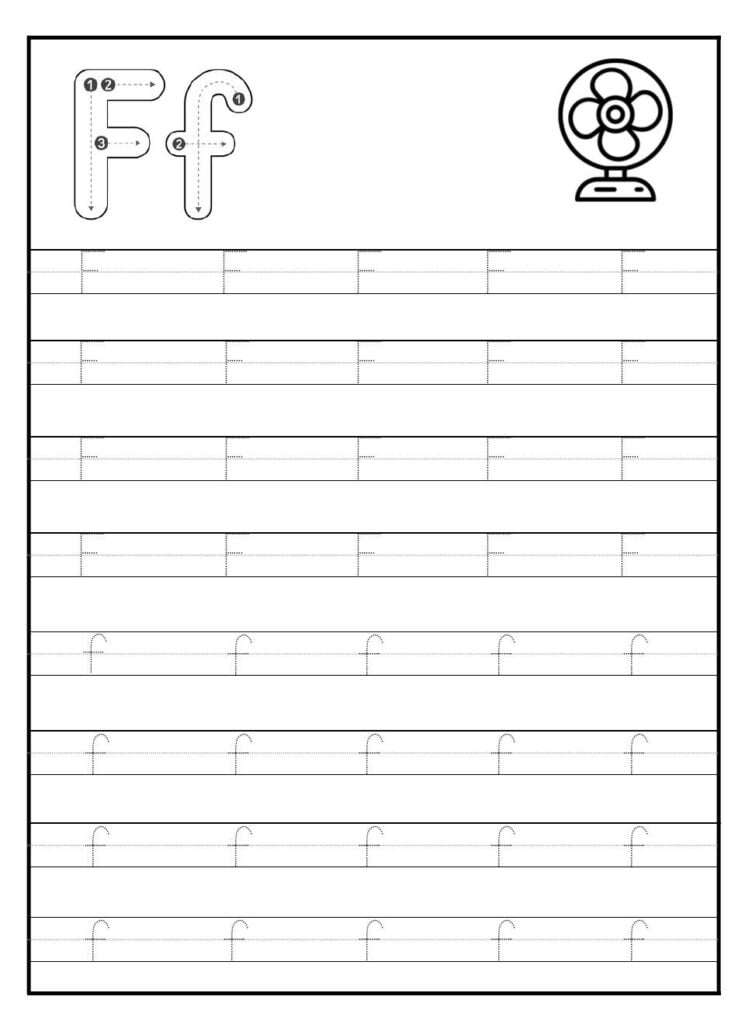
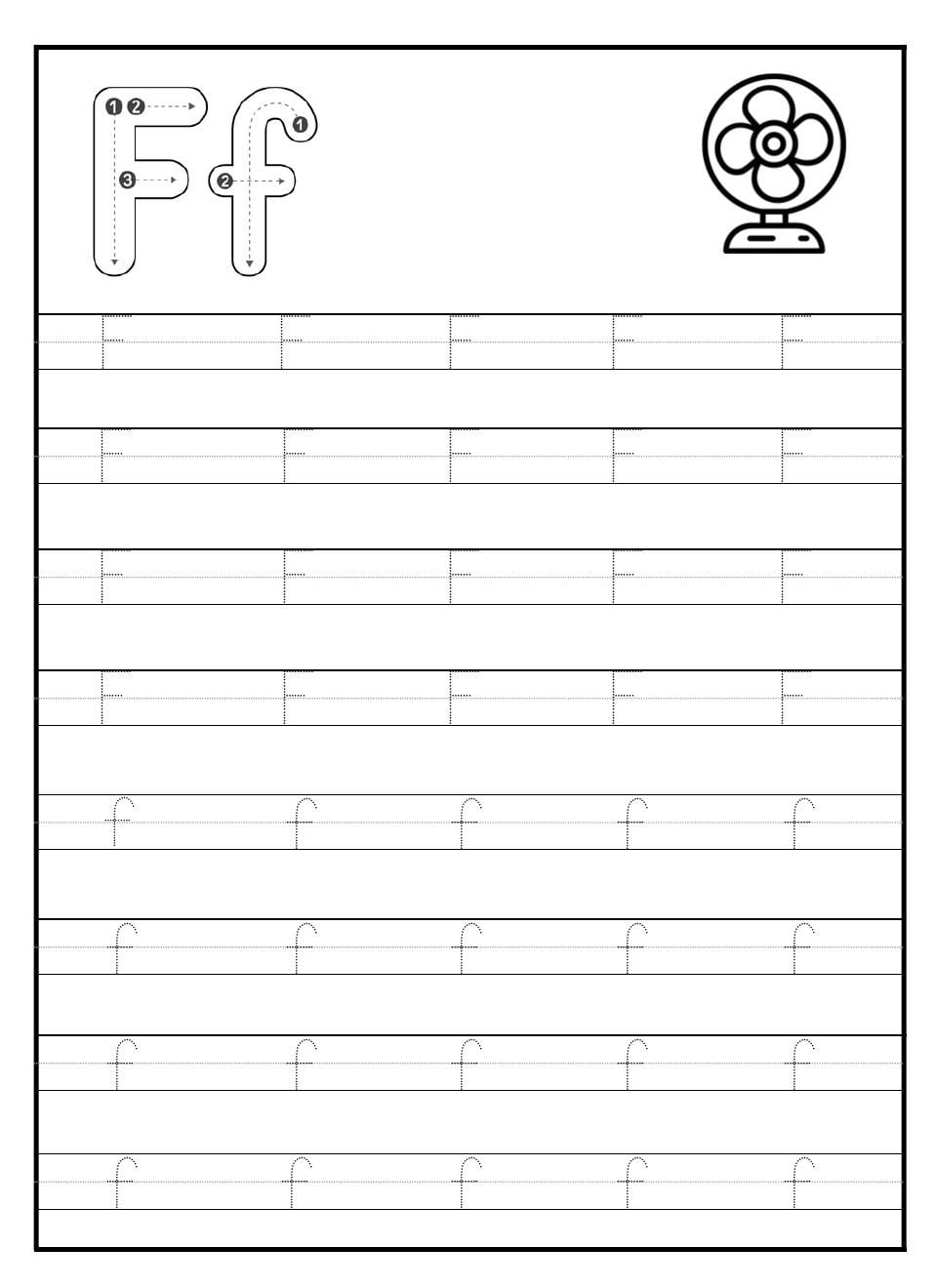
This printable gives children practice with uppercase F and lowercase f. The tracing lines provide repeated opportunities to follow each letter.
A fan picture adds a simple visual connection to the letter. Ask your child to name the object before beginning the worksheet. Then, encourage them to trace each form carefully.
7. Letter G Tracing Worksheet
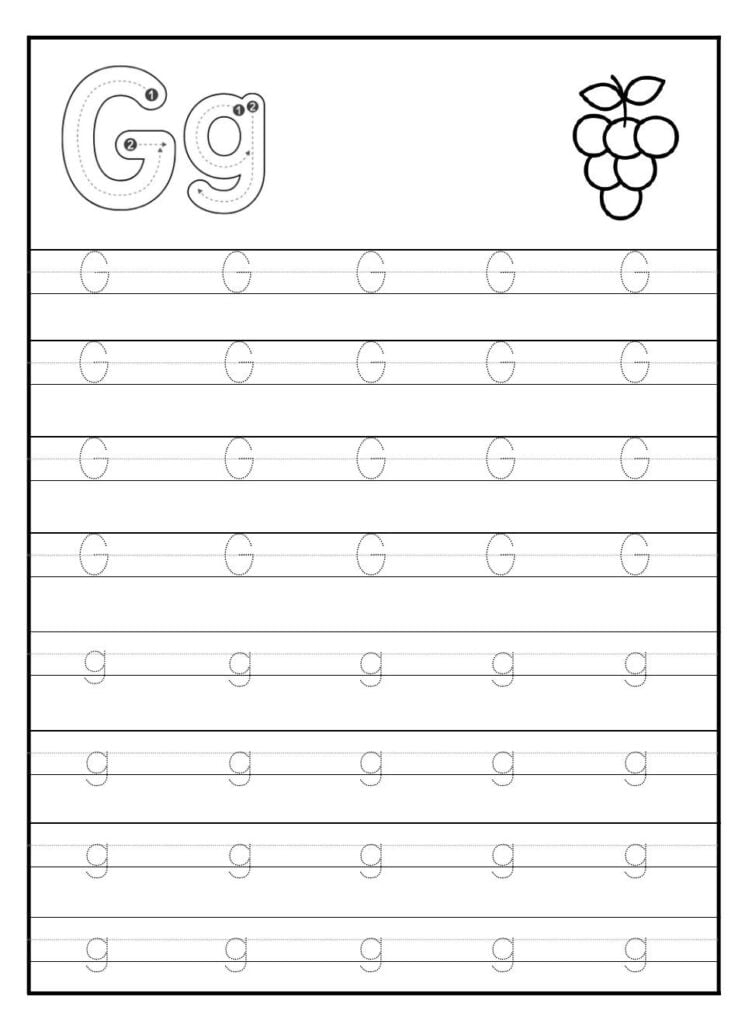
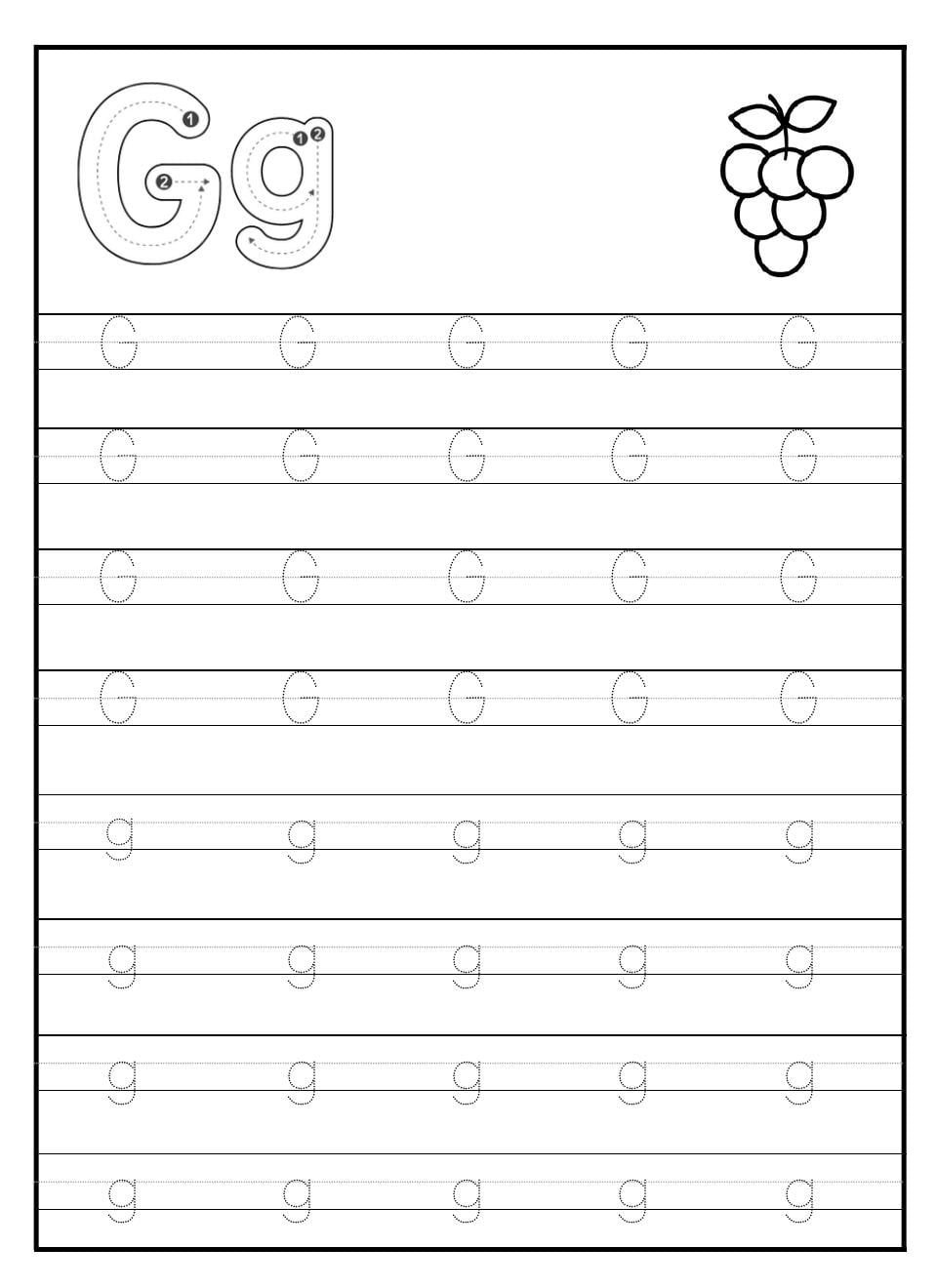
The seventh worksheet introduces uppercase G and lowercase g. Children repeat both forms across several lines.
A bunch of grapes appears in the picture area. You can use the image to introduce the word “grapes” and its beginning sound.
This creates a simple connection between letter practice and familiar vocabulary.
8. Letter H Tracing Worksheet
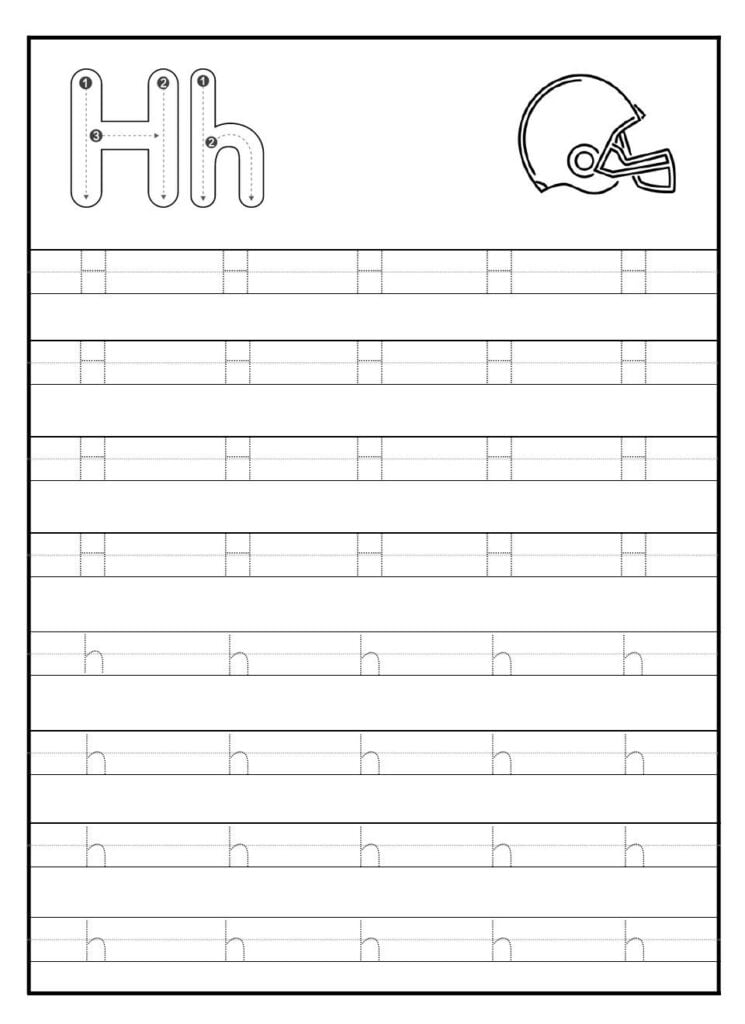
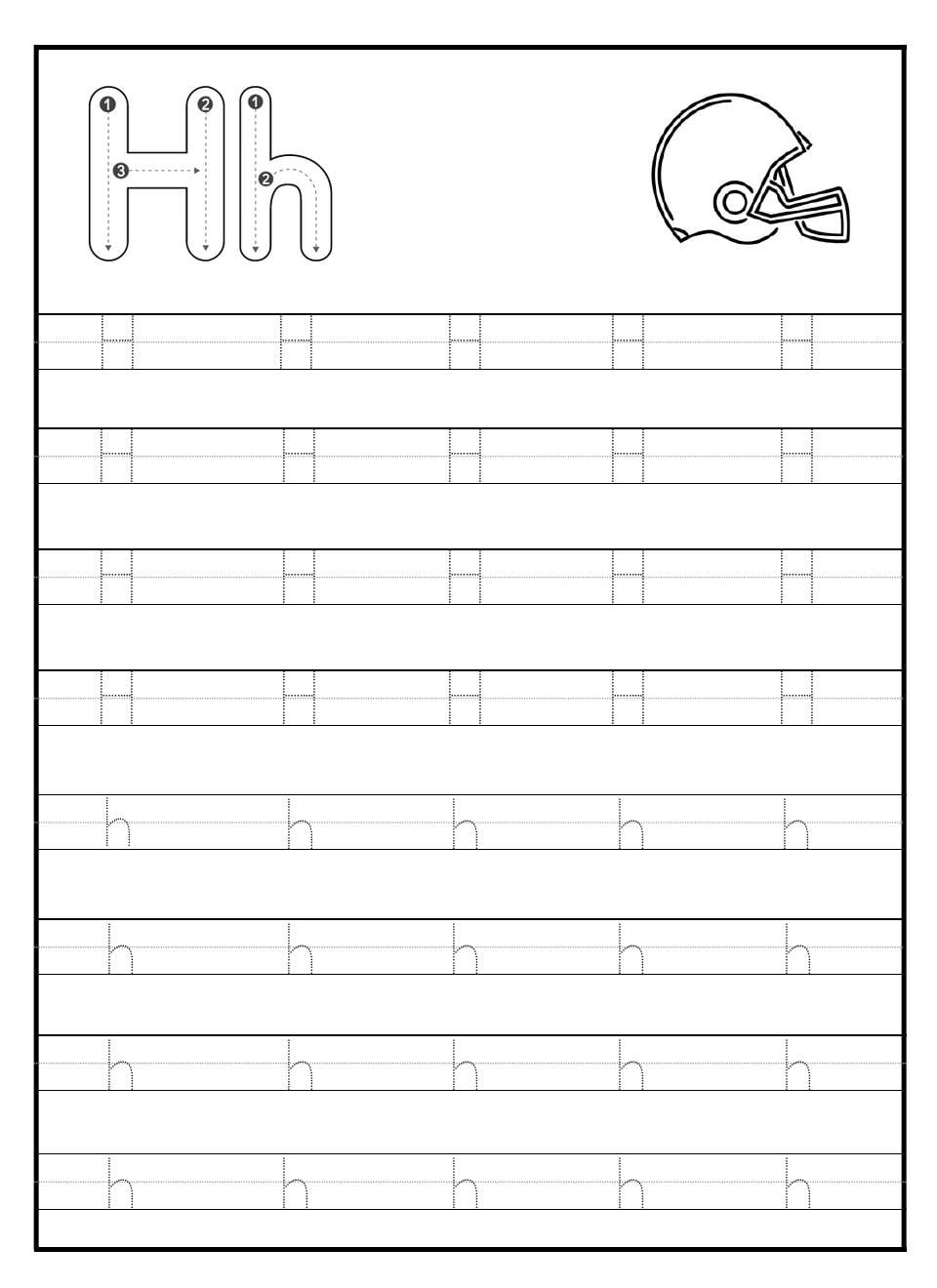
This page focuses on uppercase H and lowercase h. Children trace the letters repeatedly to practice their formation.
A helmet picture gives the worksheet a familiar object to discuss. Ask your child what people use helmets for before starting. This small conversation can make the activity more engaging.
9. Letter I Tracing Worksheet
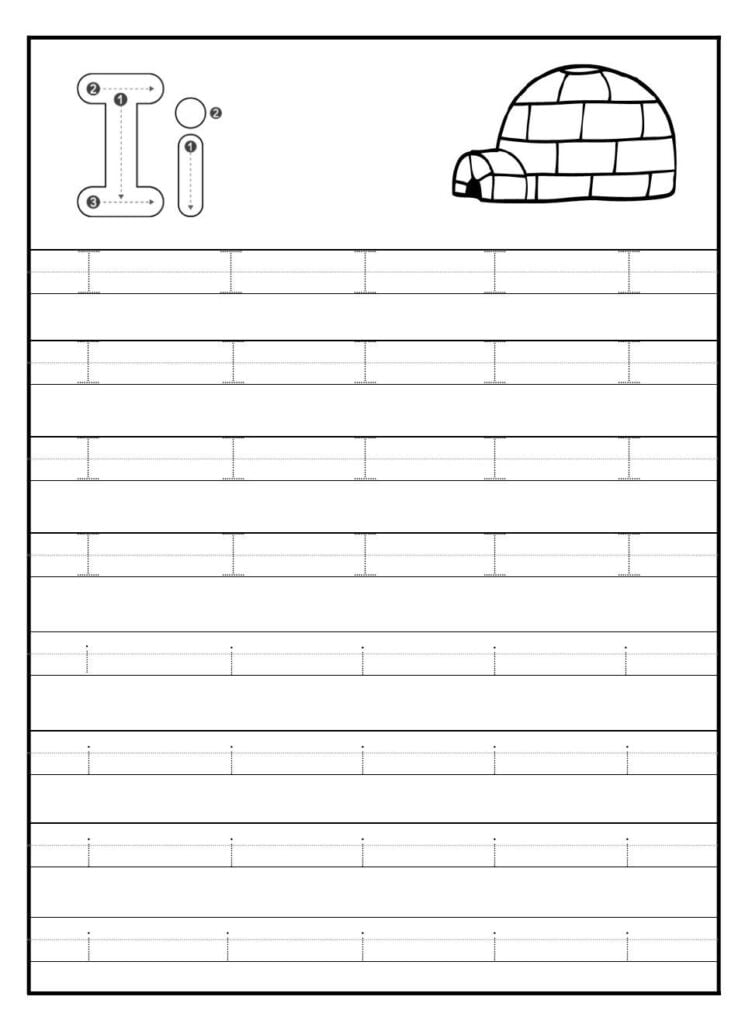
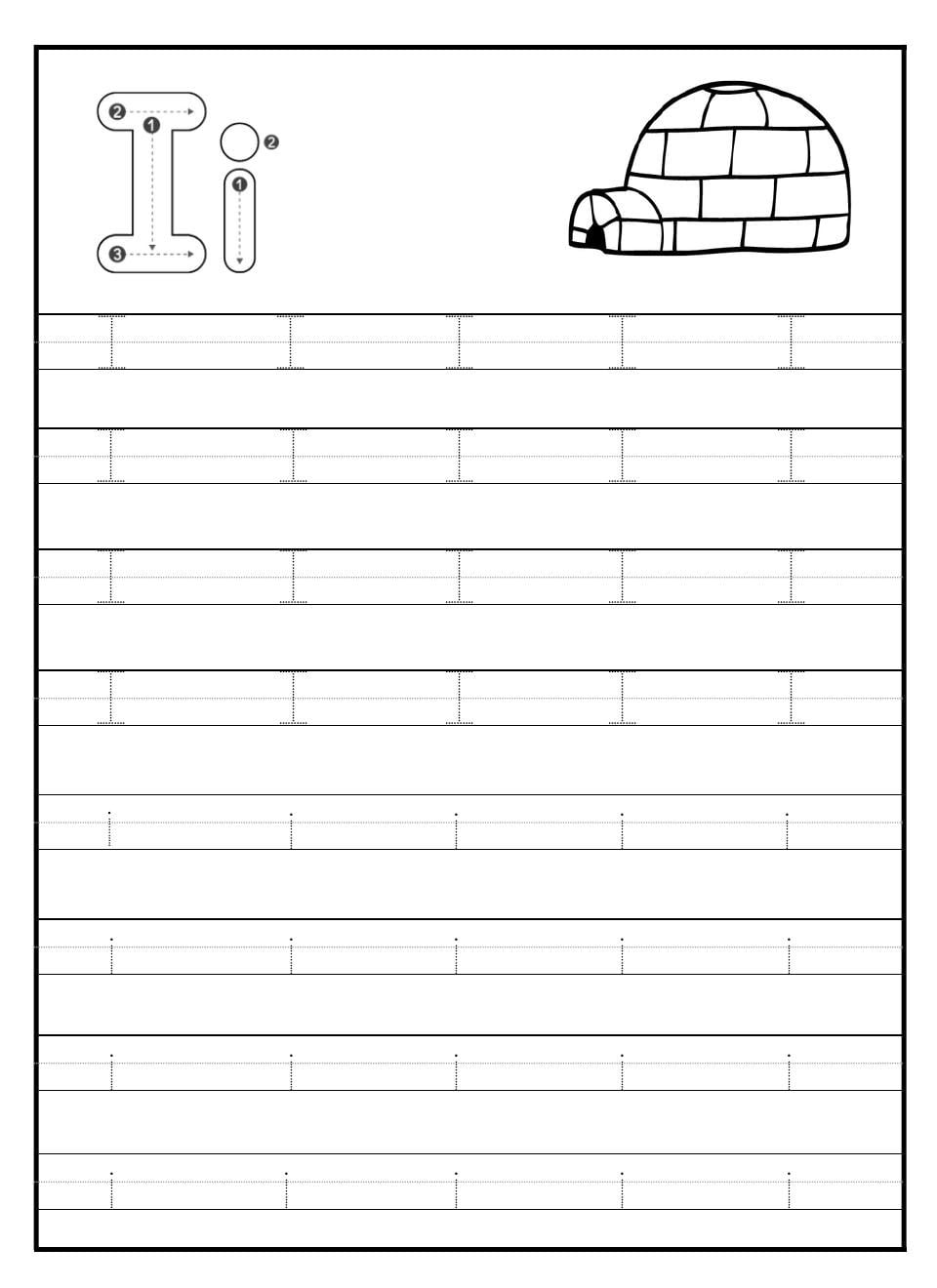
The ninth printable features uppercase I and lowercase i. Children follow the tracing guides across several lines.
An igloo picture accompanies the letters. You can explain that an igloo is a type of shelter made from snow blocks. Then, let your child practice both letter forms at a steady pace.
10. Letter J Tracing Worksheet
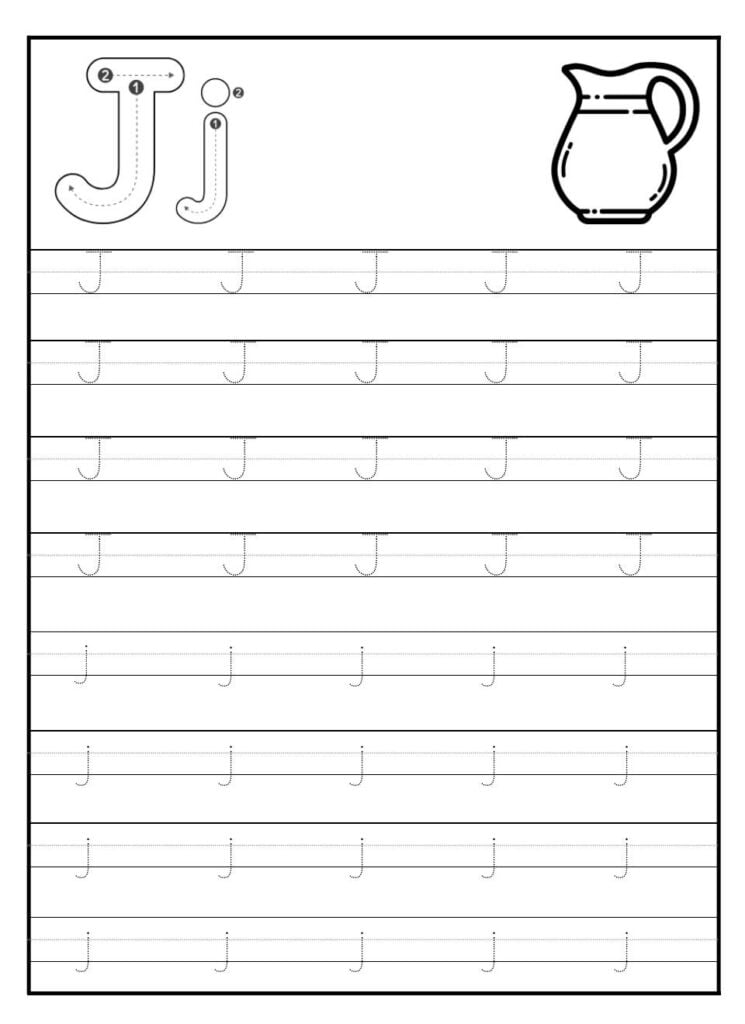
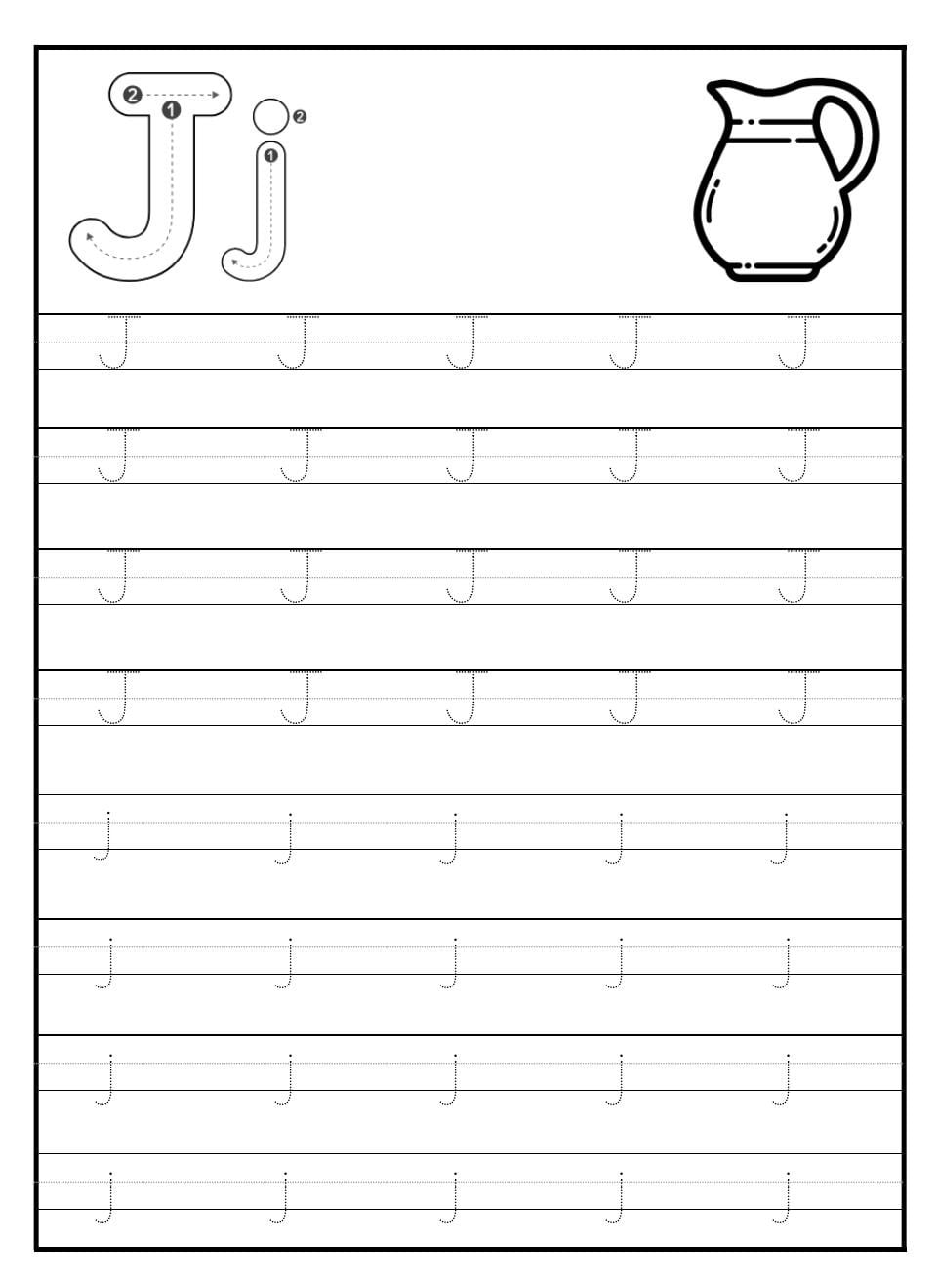
This worksheet introduces uppercase J and lowercase j. Children trace each letter repeatedly to practice its shape.
A jug picture appears beside the large letter examples. Ask your child to identify the object and say its name aloud. This helps connect the written letter with a familiar word.
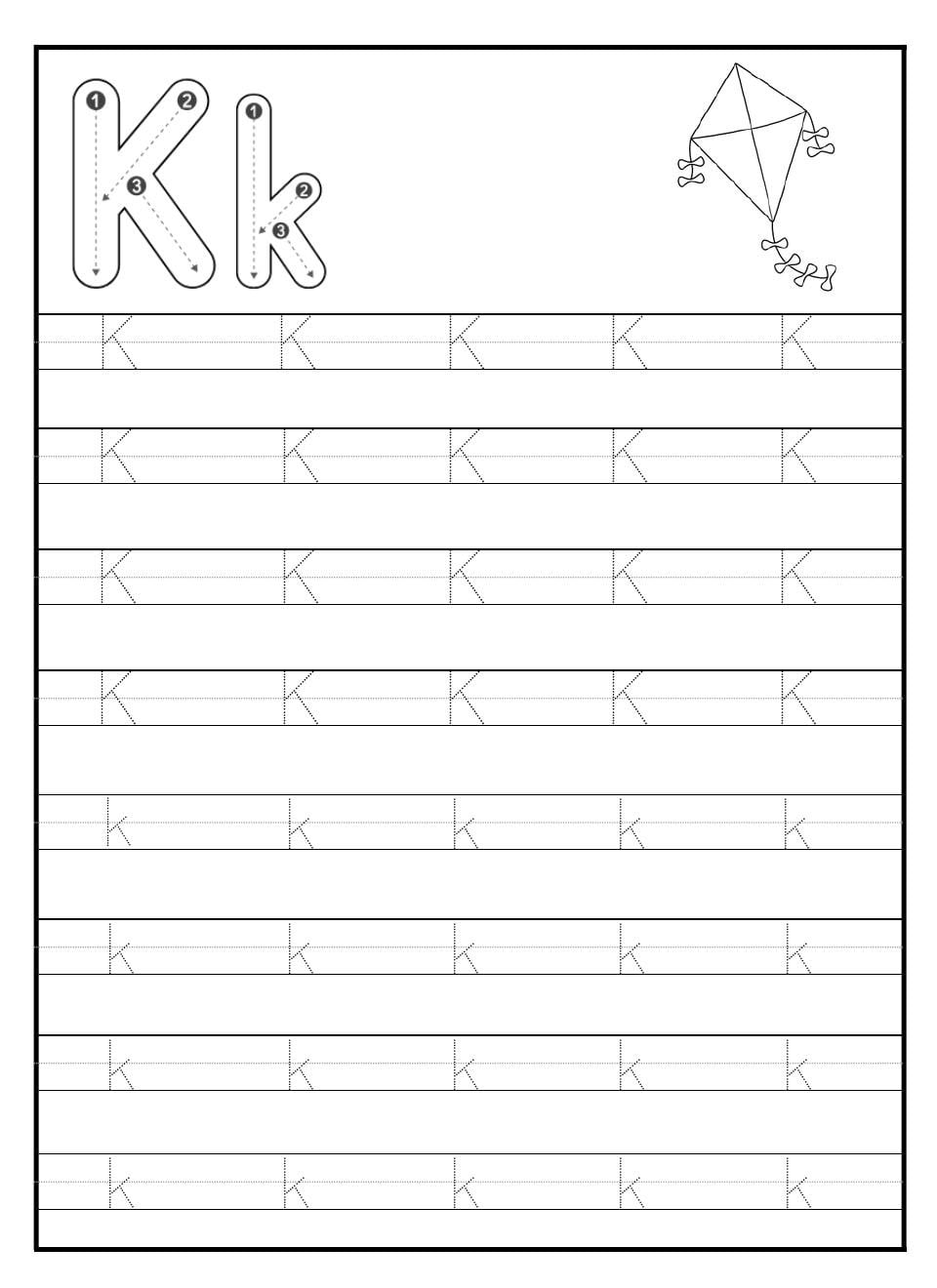
11. Letter K Tracing Worksheet
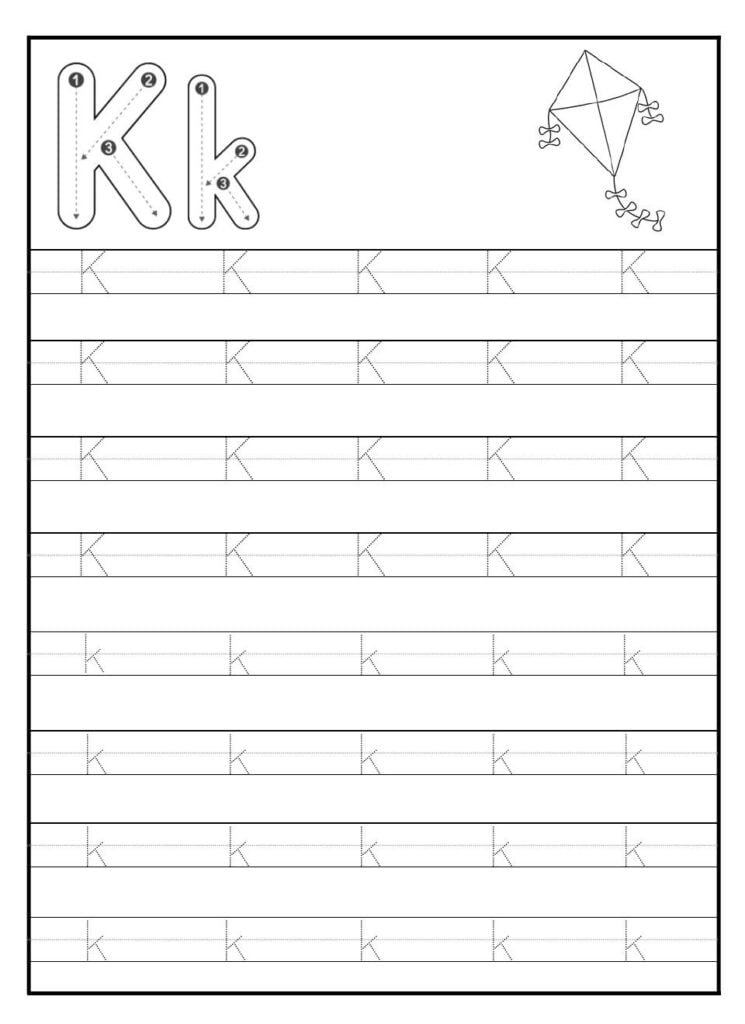
The eleventh printable focuses on uppercase K and lowercase k. Children follow the tracing guides across multiple lines.
A kite picture adds a playful touch to the page. You can ask your child whether they have flown a kite before. Afterward, encourage them to trace each letter without rushing.
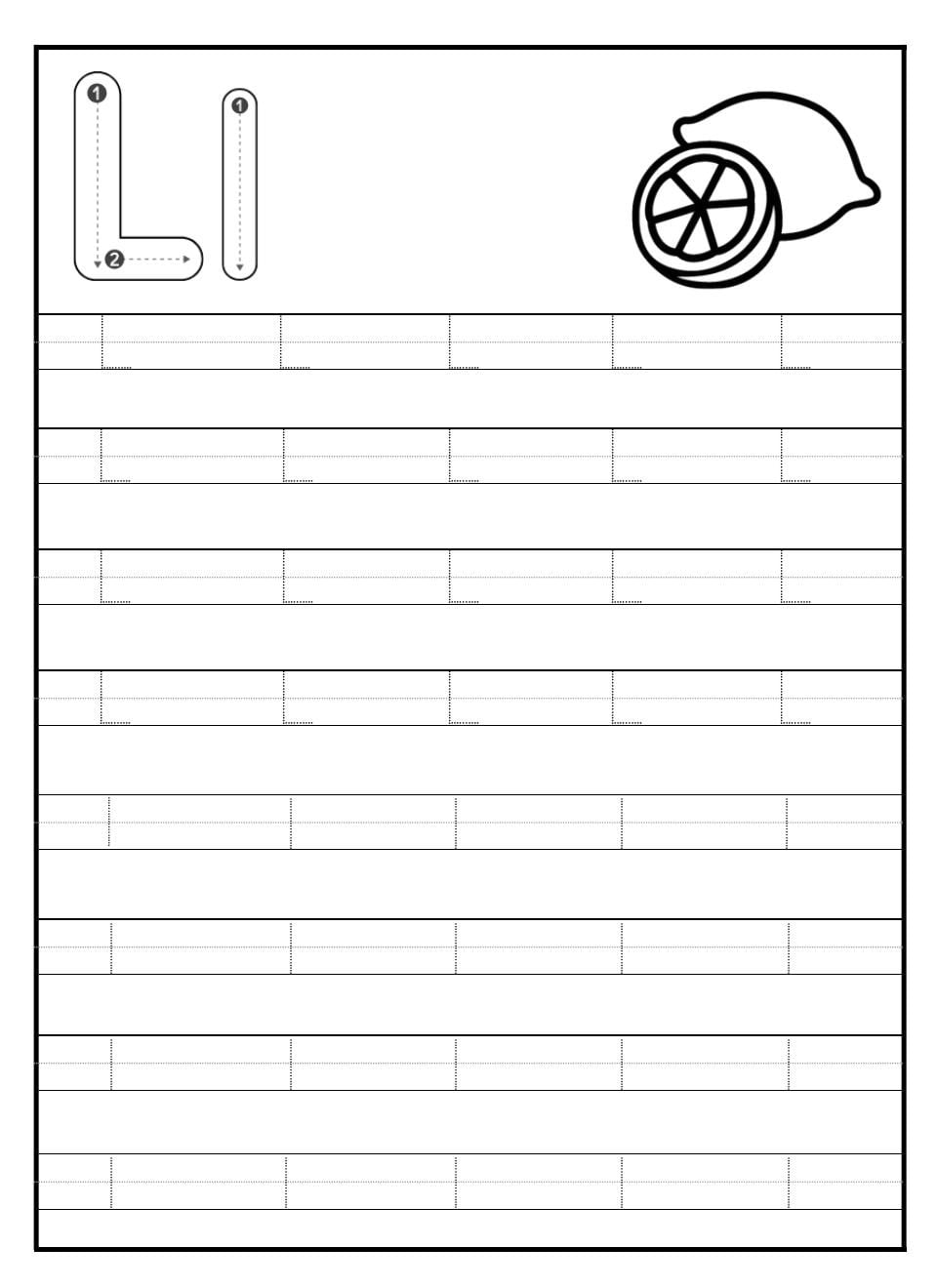
12. Letter L Tracing Worksheet
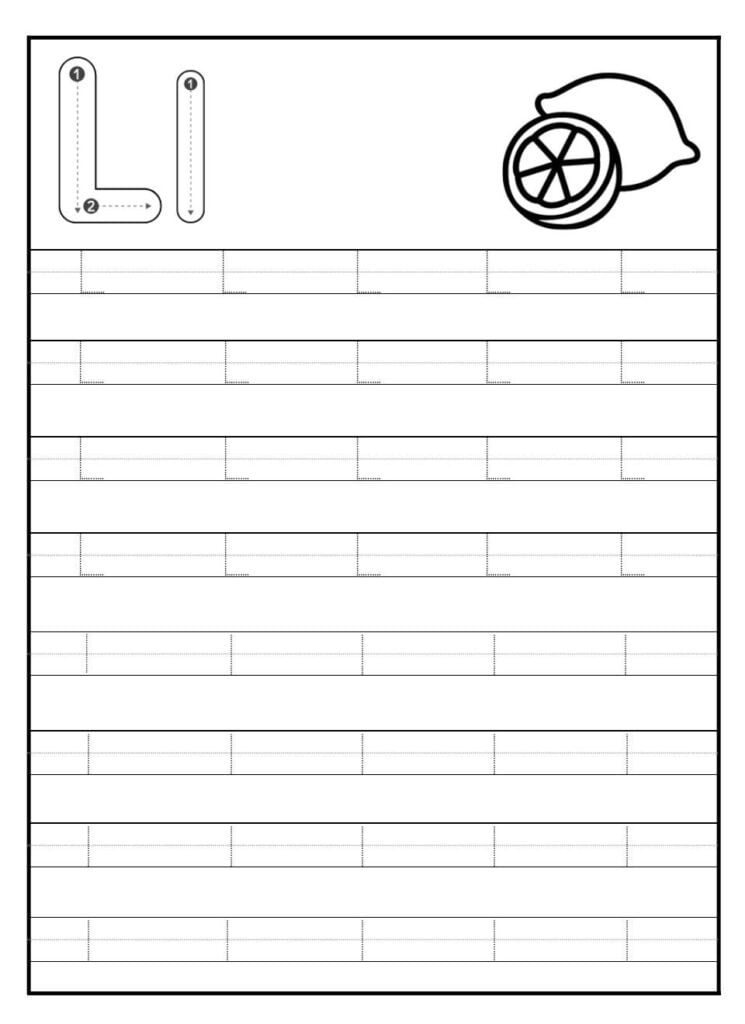
This page gives children practice with uppercase L and lowercase l. The repeated tracing lines help them become familiar with both forms.
A lemon picture appears in the illustration area. Use it to introduce the word “lemon” and its beginning sound. Children can then continue tracing while paying attention to letter shape.
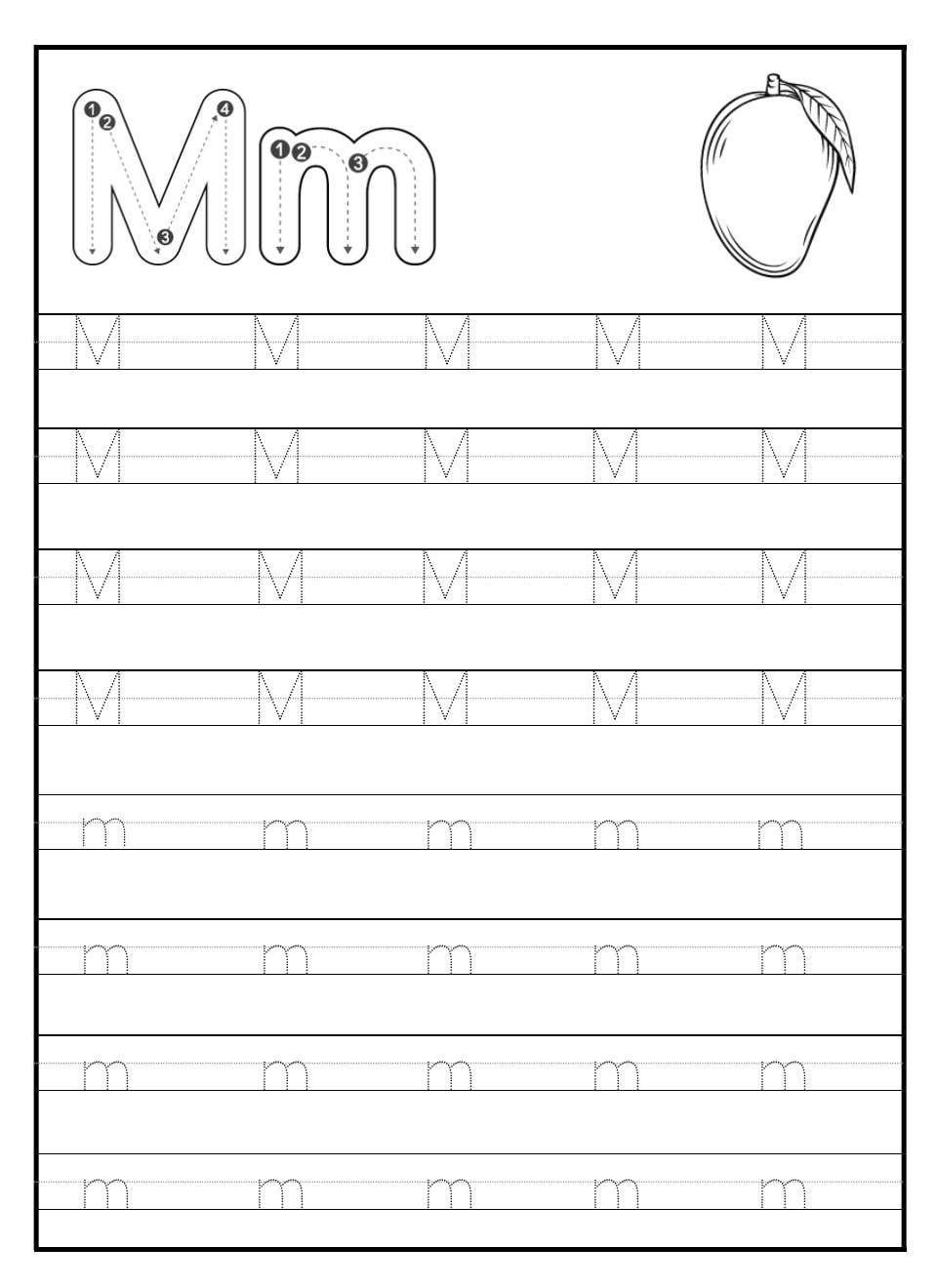
13. Letter M Tracing Worksheet
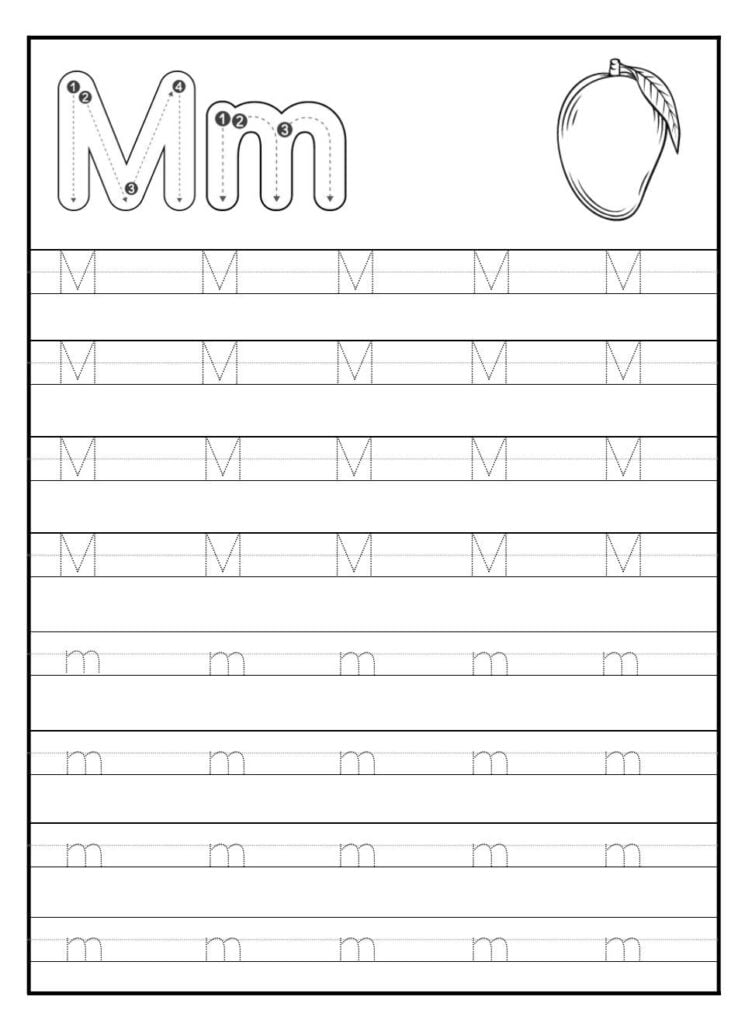
The thirteenth worksheet introduces uppercase M and lowercase m. Children trace both letters several times across the page.
A mango picture provides a familiar example of a word beginning with M. Ask your child to name the fruit before starting the activity. You can also discuss other words that begin with the same letter.
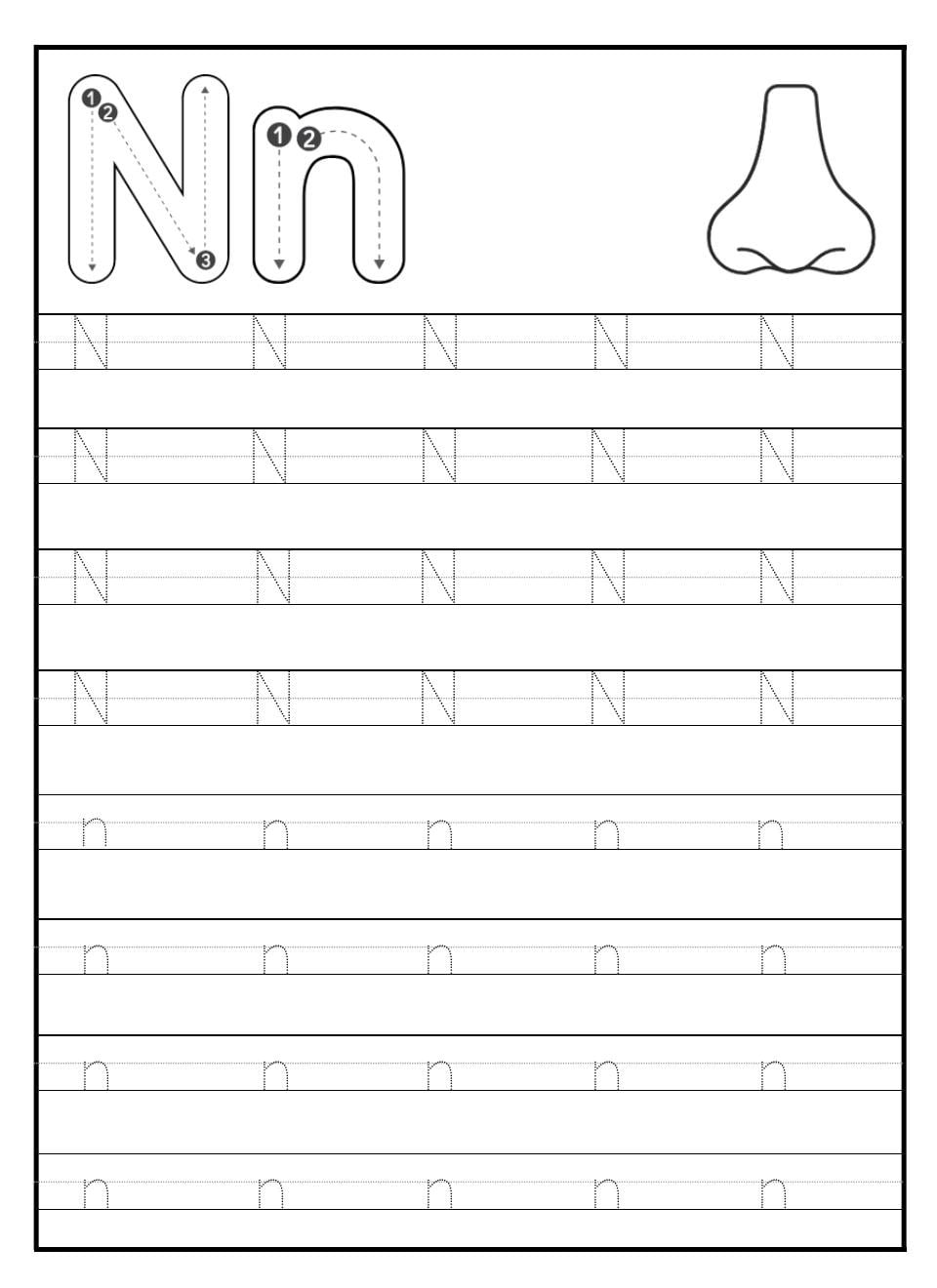
14. Letter N Tracing Worksheet
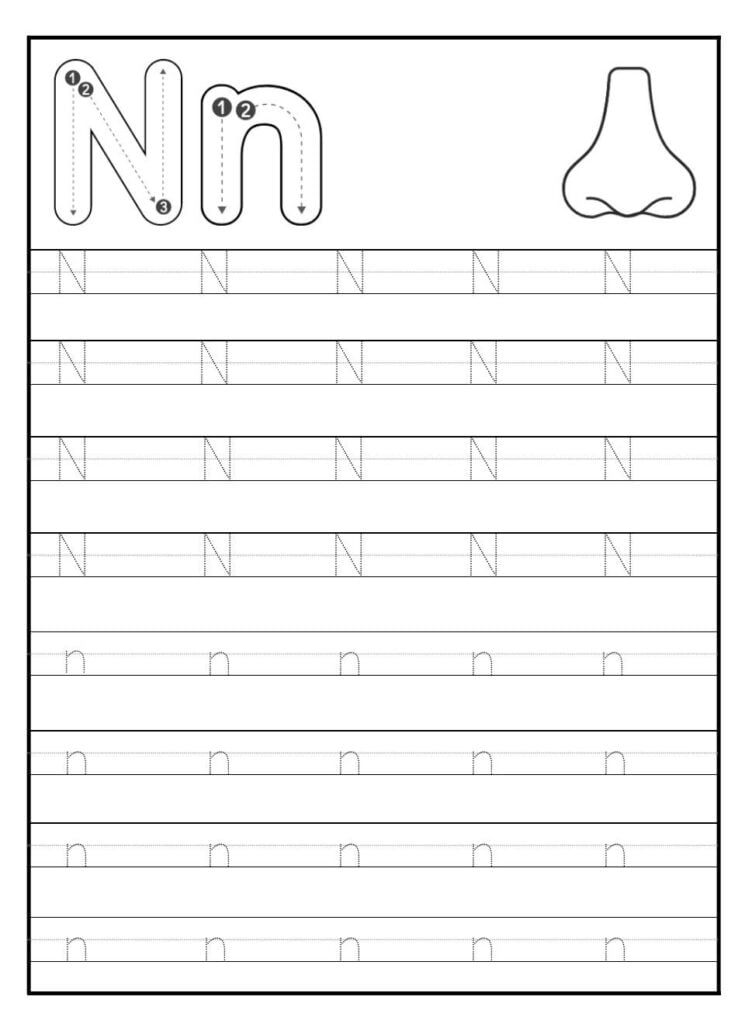
This printable focuses on uppercase N and lowercase n. Children practice both forms through repeated tracing.
A nose picture appears beside the letter examples. You can ask your child to point to their nose and say the word aloud. This simple connection makes the letter activity more interactive.
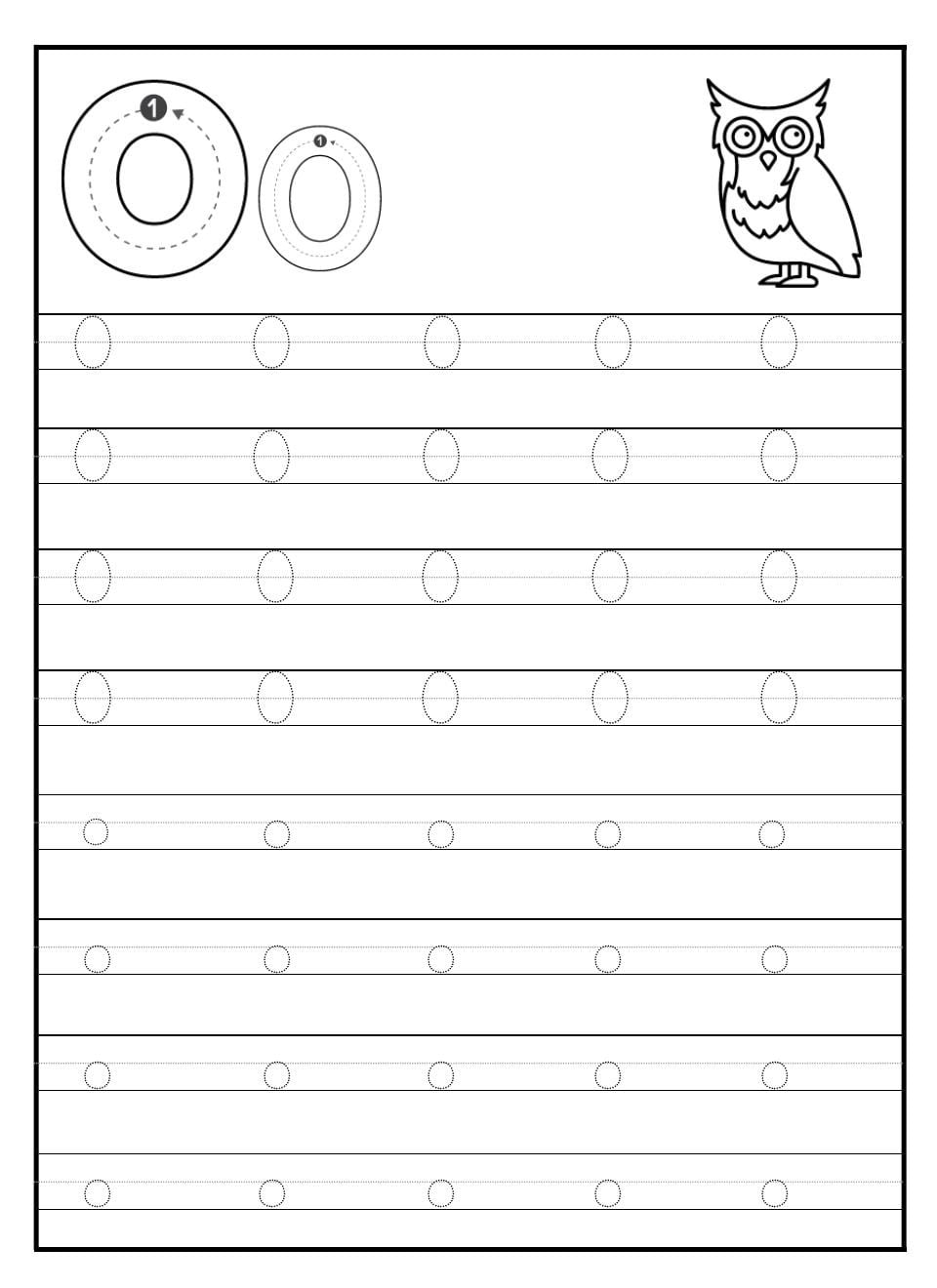
15. Letter O Tracing Worksheet
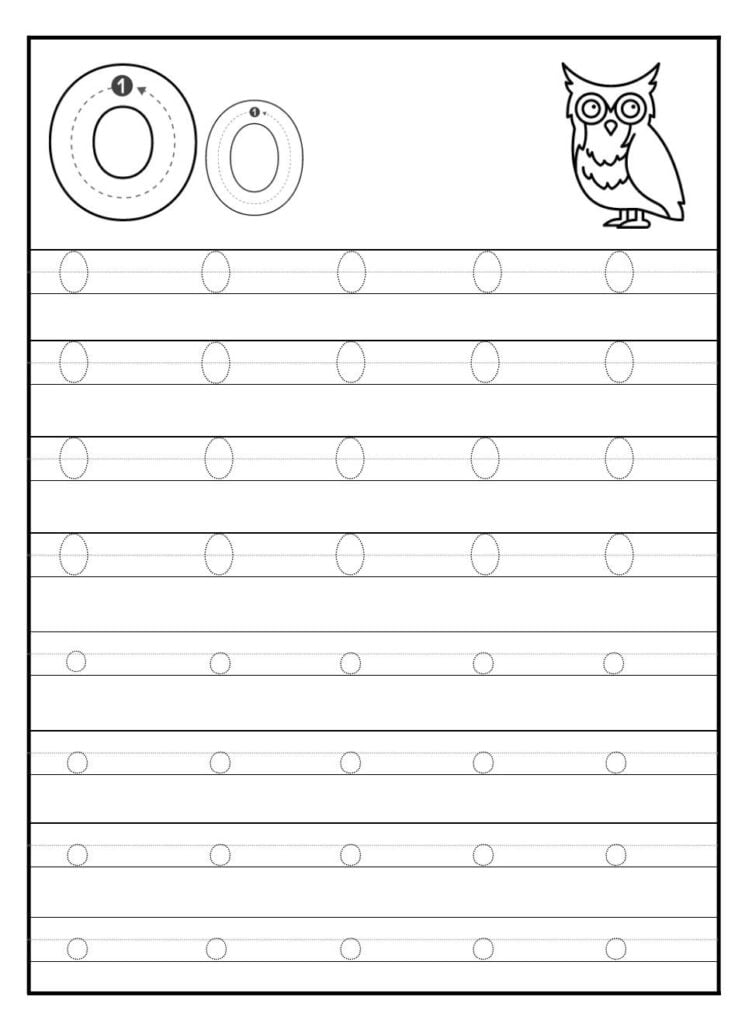
The fifteenth worksheet features uppercase O and lowercase o. Children trace the rounded letter shapes across several lines.
A picture of an owl accompanies the activity. Ask your child to identify the bird and repeat its name. Then, encourage them to trace the letters with smooth, controlled movements.
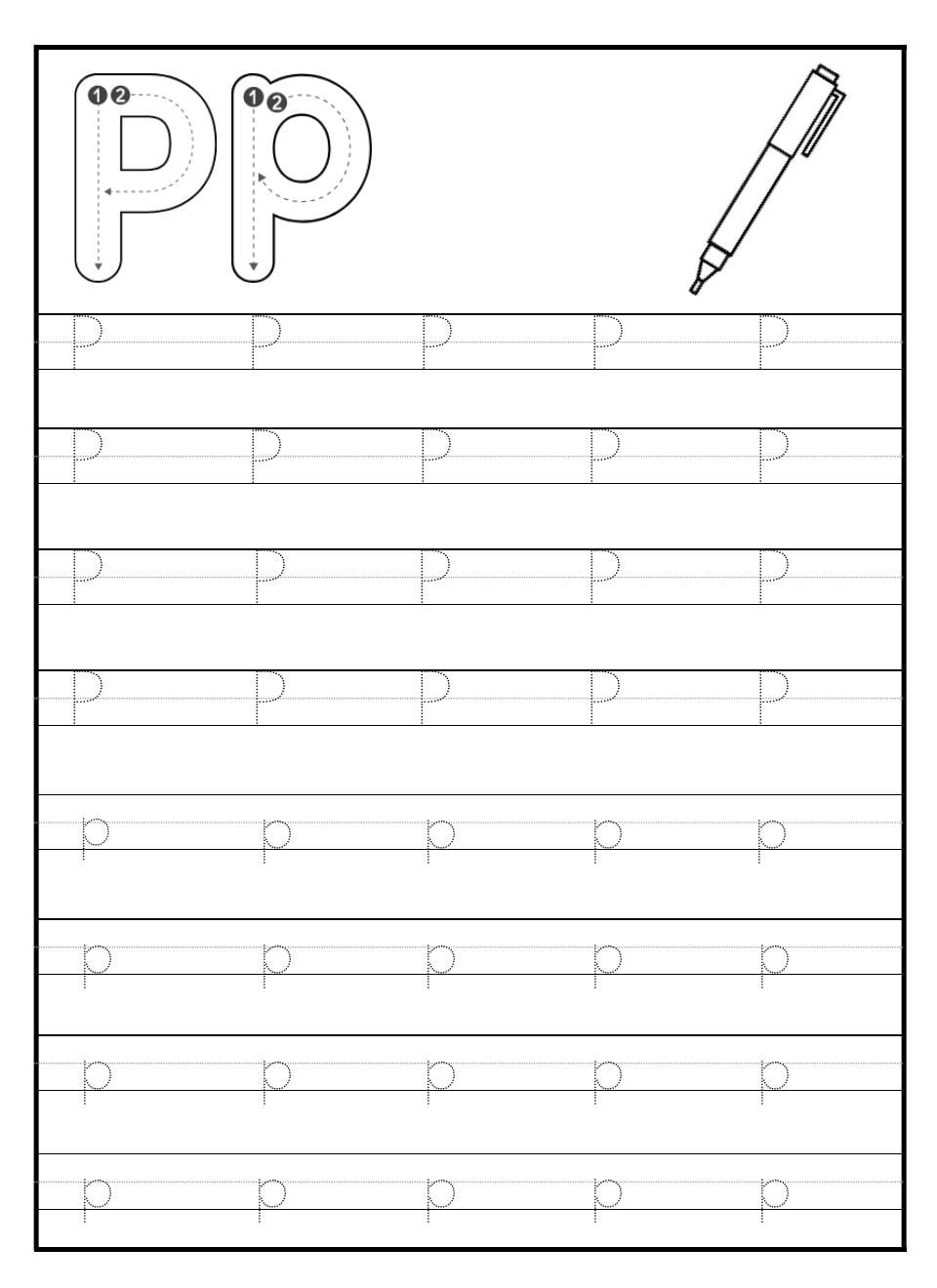
16. Letter P Tracing Worksheet
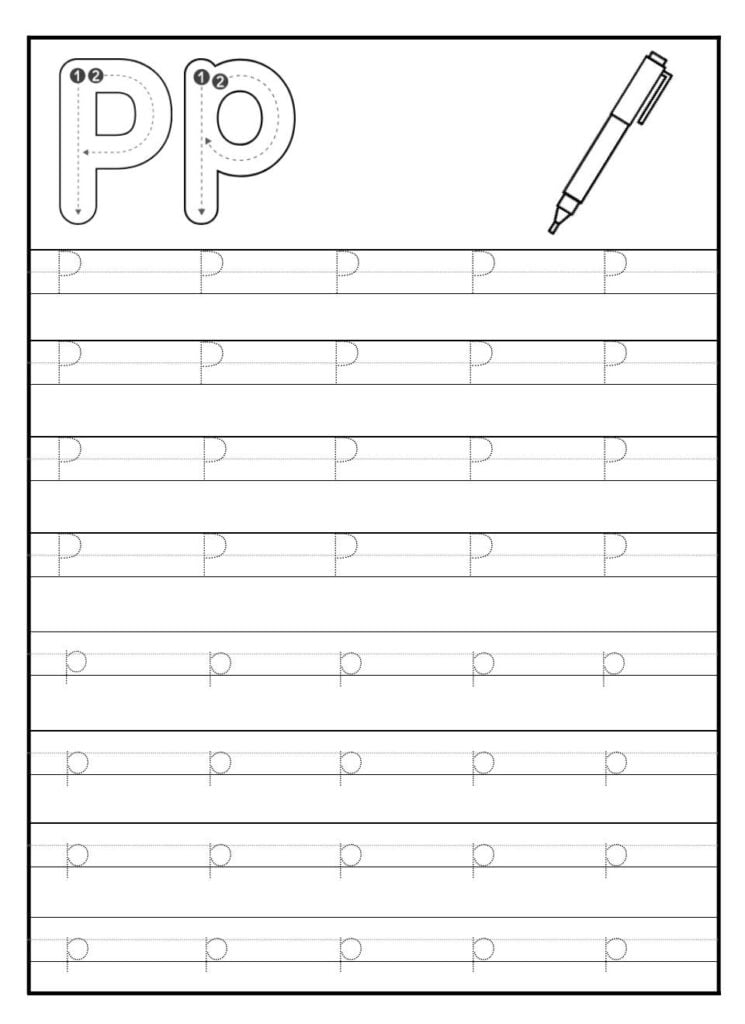
This page introduces uppercase P and lowercase p. Children repeat both letter forms using the tracing guides.
A pen picture provides a familiar writing-related object. You can ask your child what a pen helps us do. This creates a natural link between the picture and handwriting practice.
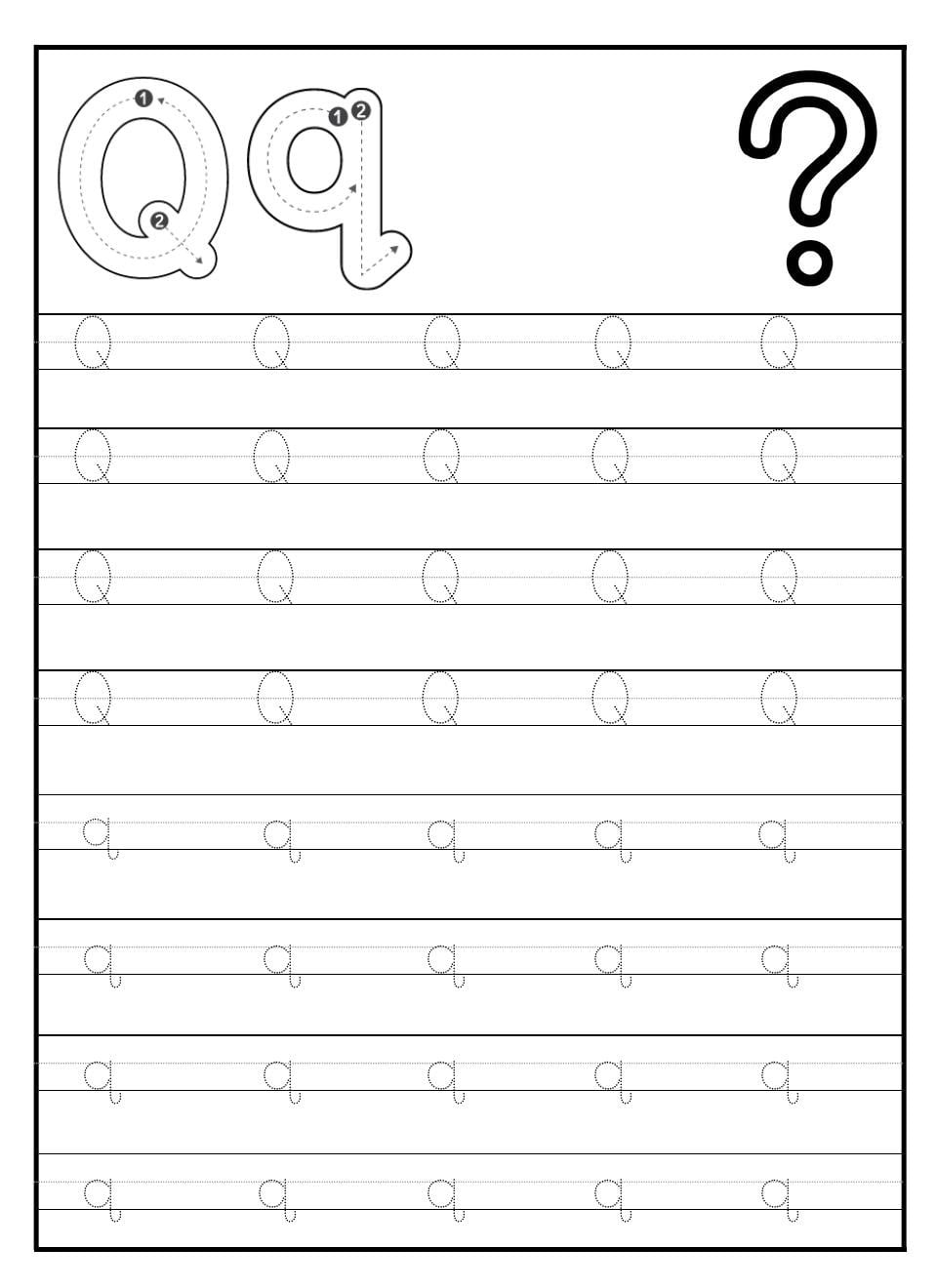
17. Letter Q Tracing Worksheet
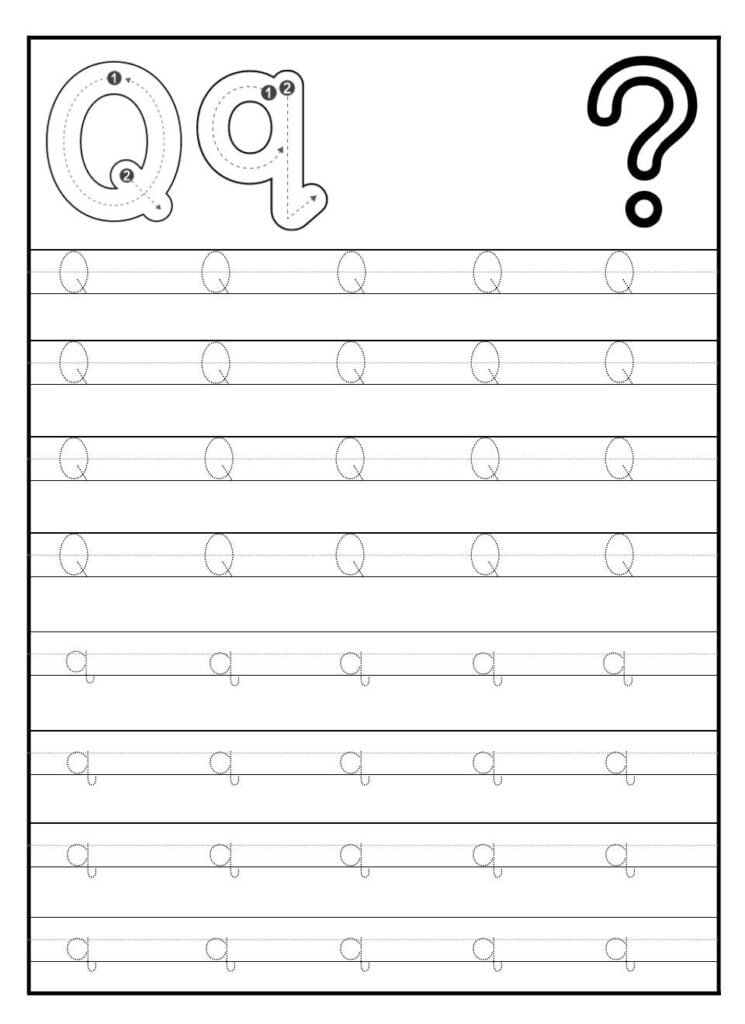
The seventeenth printable focuses on uppercase Q and lowercase q. Children trace the letters repeatedly to practice their shapes. A question mark appears in the picture area.
You can explain that question marks appear at the end of many written questions. This introduces a simple punctuation concept alongside letter practice.
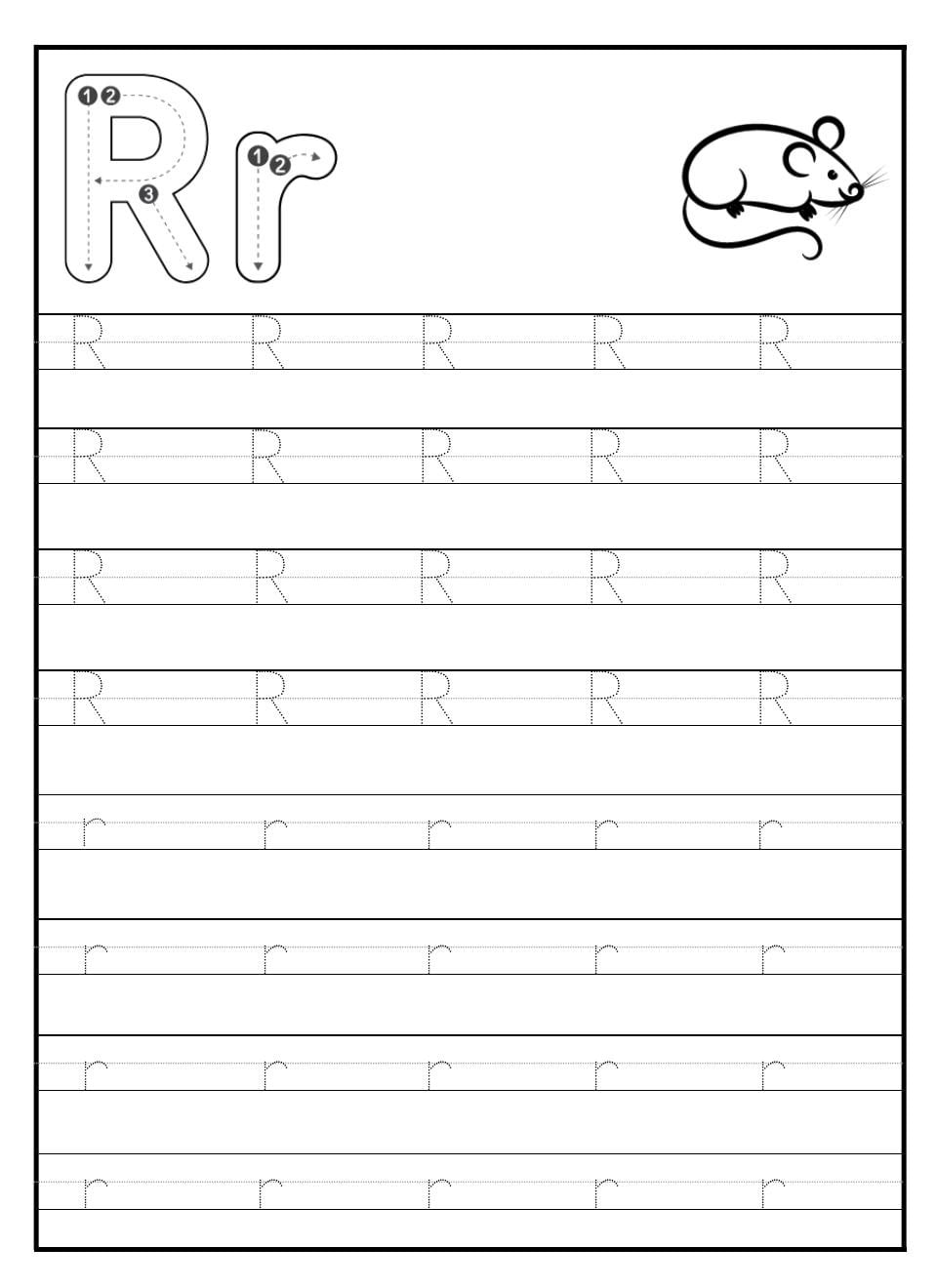
18. Letter R Tracing Worksheet
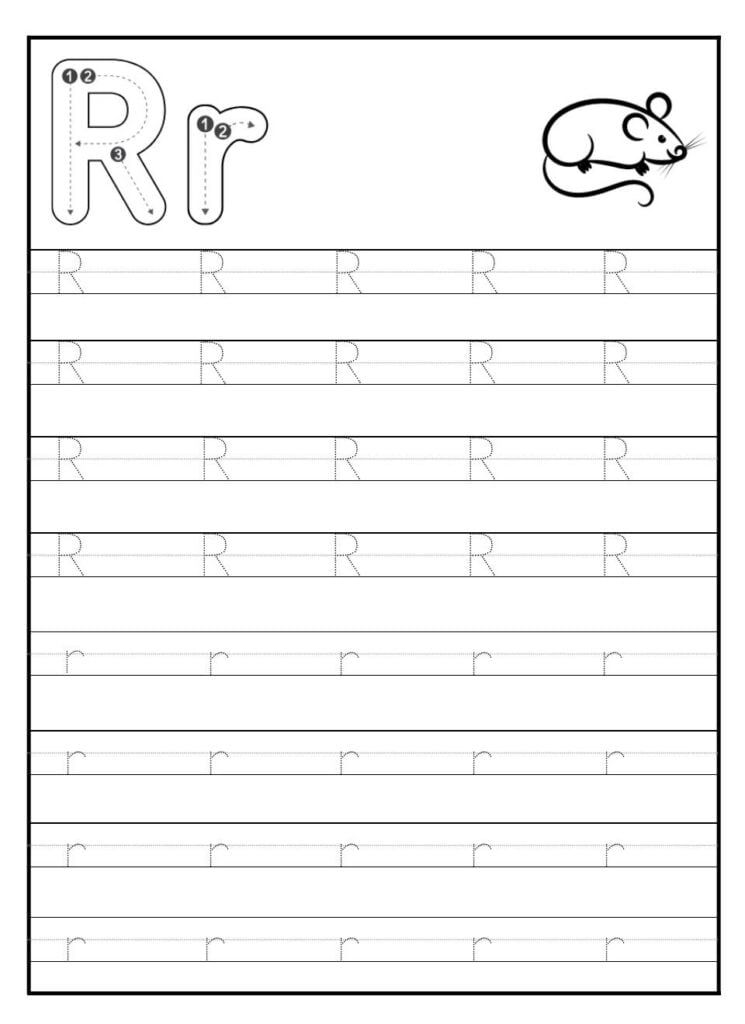
This worksheet gives children practice with uppercase R and lowercase r. The repeated lines provide several opportunities to trace each form. A mouse picture accompanies the letters.
You can use the word “rodent” for an extra vocabulary connection if it suits your child’s level. Otherwise, simply ask them to identify the mouse before tracing.
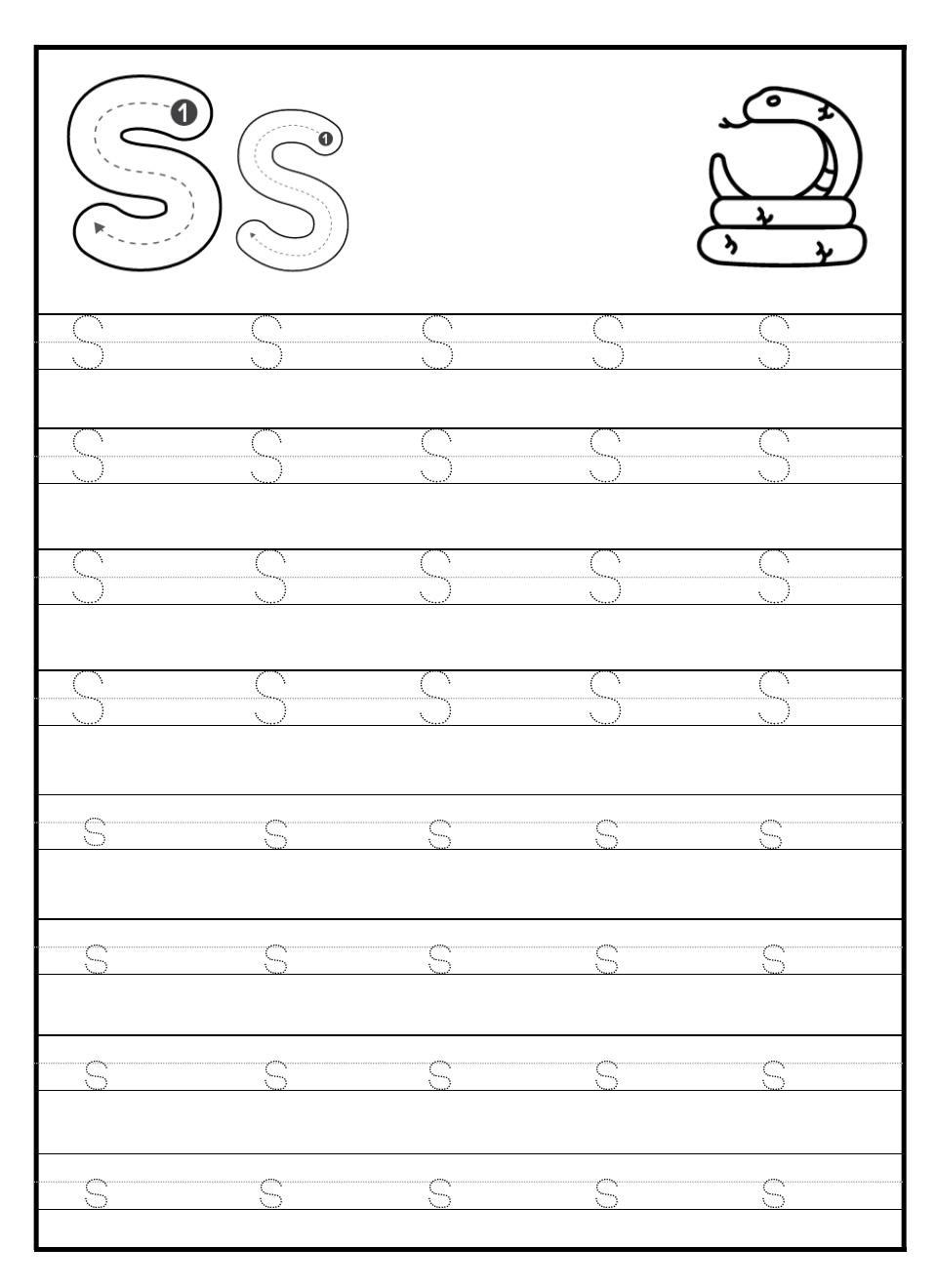
19. Letter S Tracing Worksheet
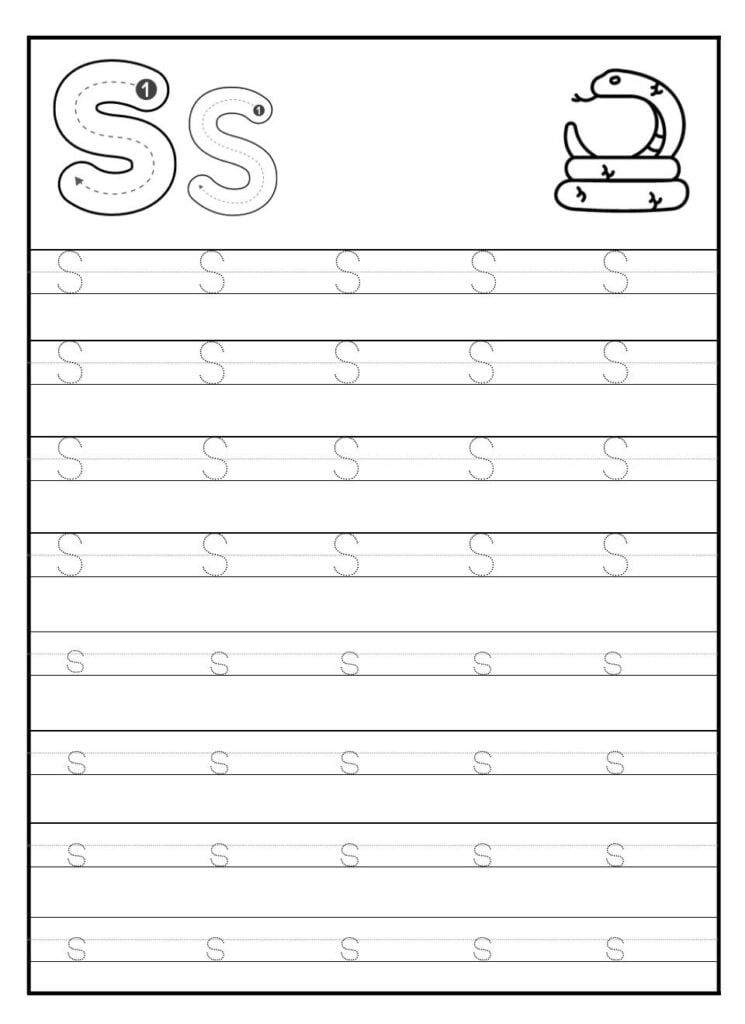
The nineteenth worksheet introduces uppercase S and lowercase s. Children follow the guides to practice the curved letter shapes.
A snake picture adds a recognizable visual to the page. Ask your child to say “snake” and listen for its first sound. Then, let them trace both forms carefully.
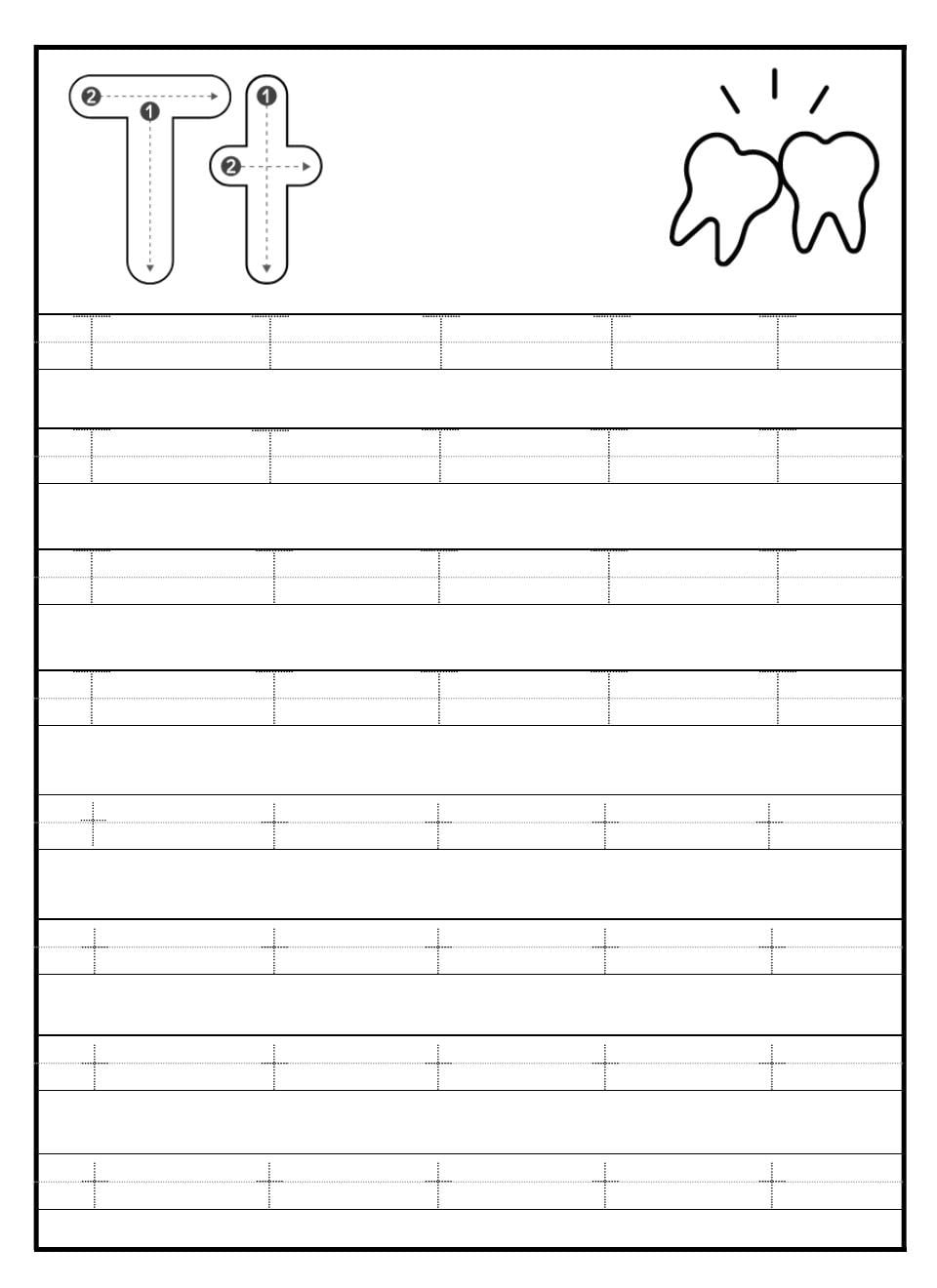
20. Letter T Tracing Worksheet
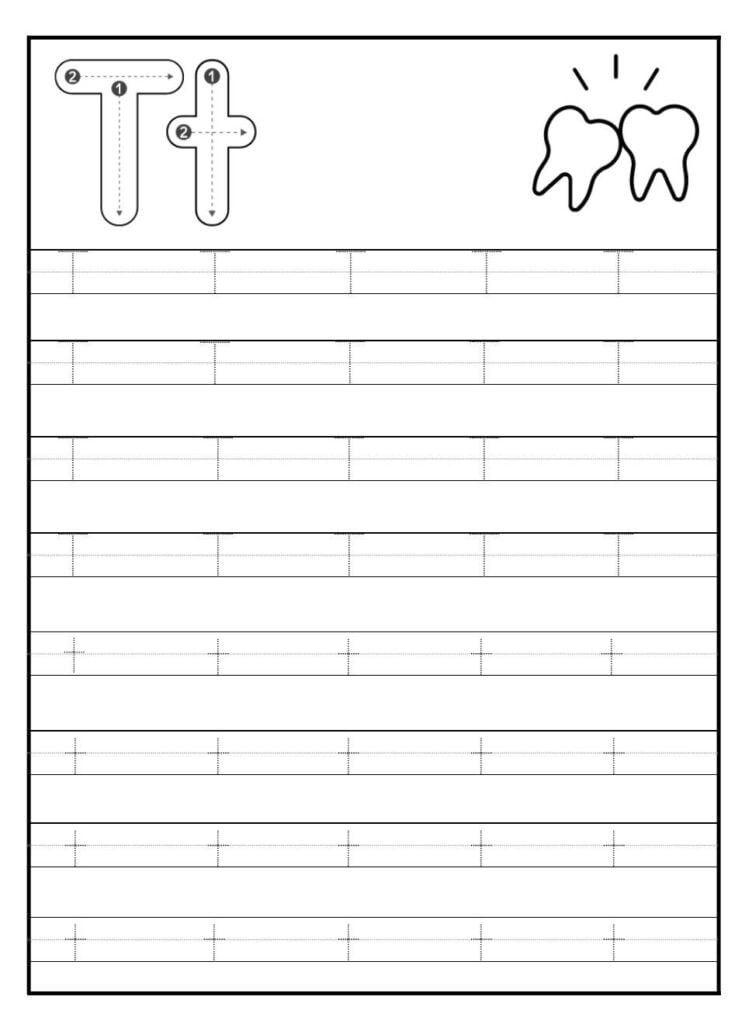
This printable focuses on uppercase T and lowercase t. Children practice each form across several tracing lines.
A pair of teeth appears in the illustration area. You can ask your child to name the picture and discuss simple tooth-care habits. This adds a familiar everyday connection to the activity.
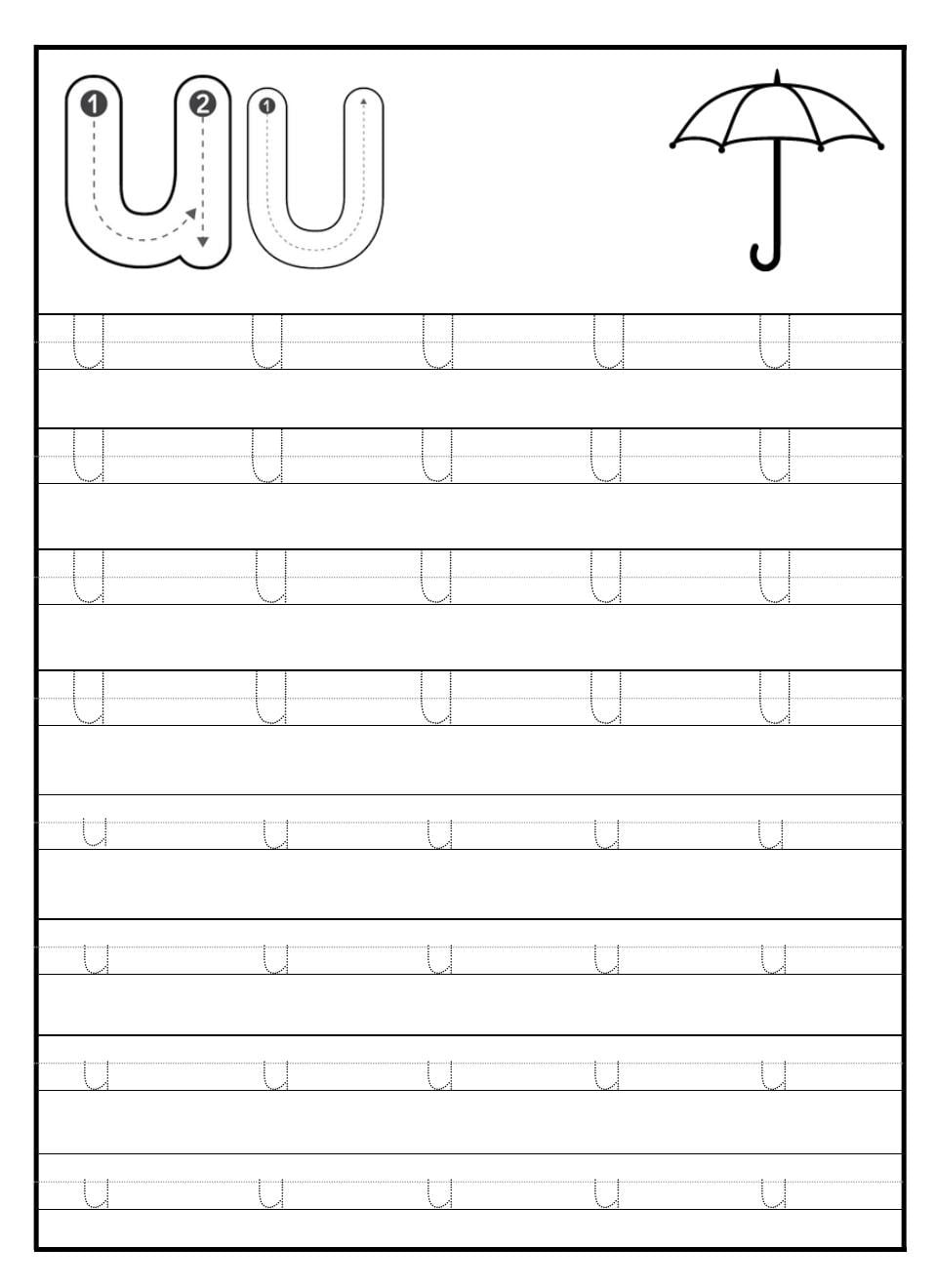
21. Letter U Tracing Worksheet
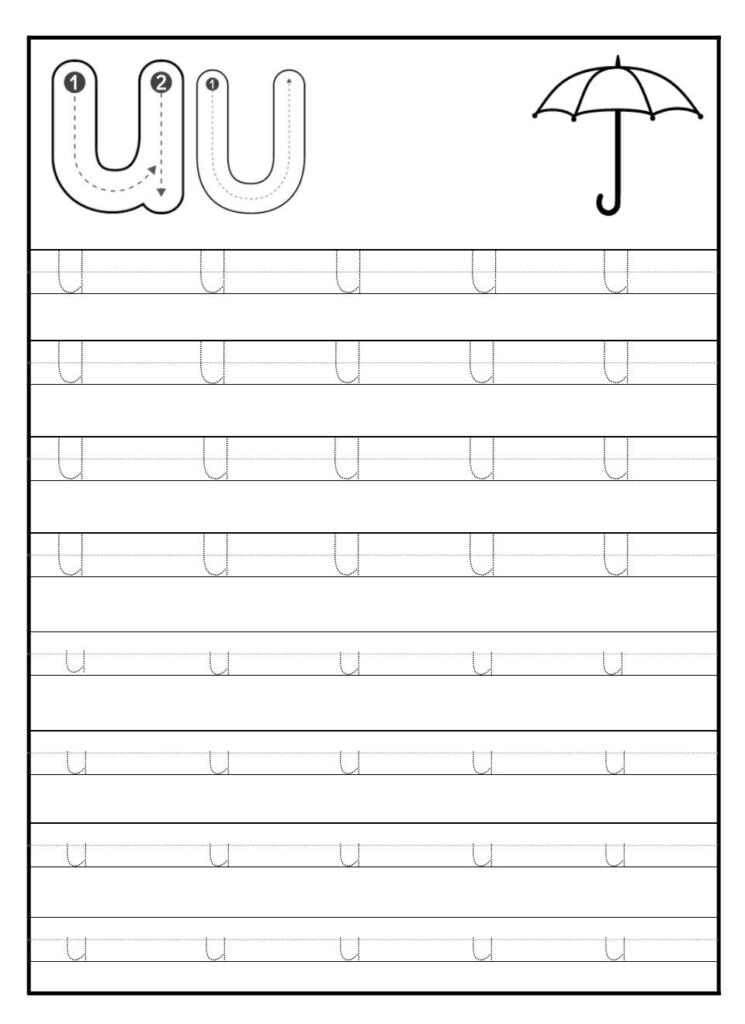
The twenty-first worksheet features uppercase U and lowercase u. Children trace both forms repeatedly to become familiar with their shapes.
An umbrella picture accompanies the letters. Ask your child when people use an umbrella. Then, encourage them to trace each letter while following the guides.
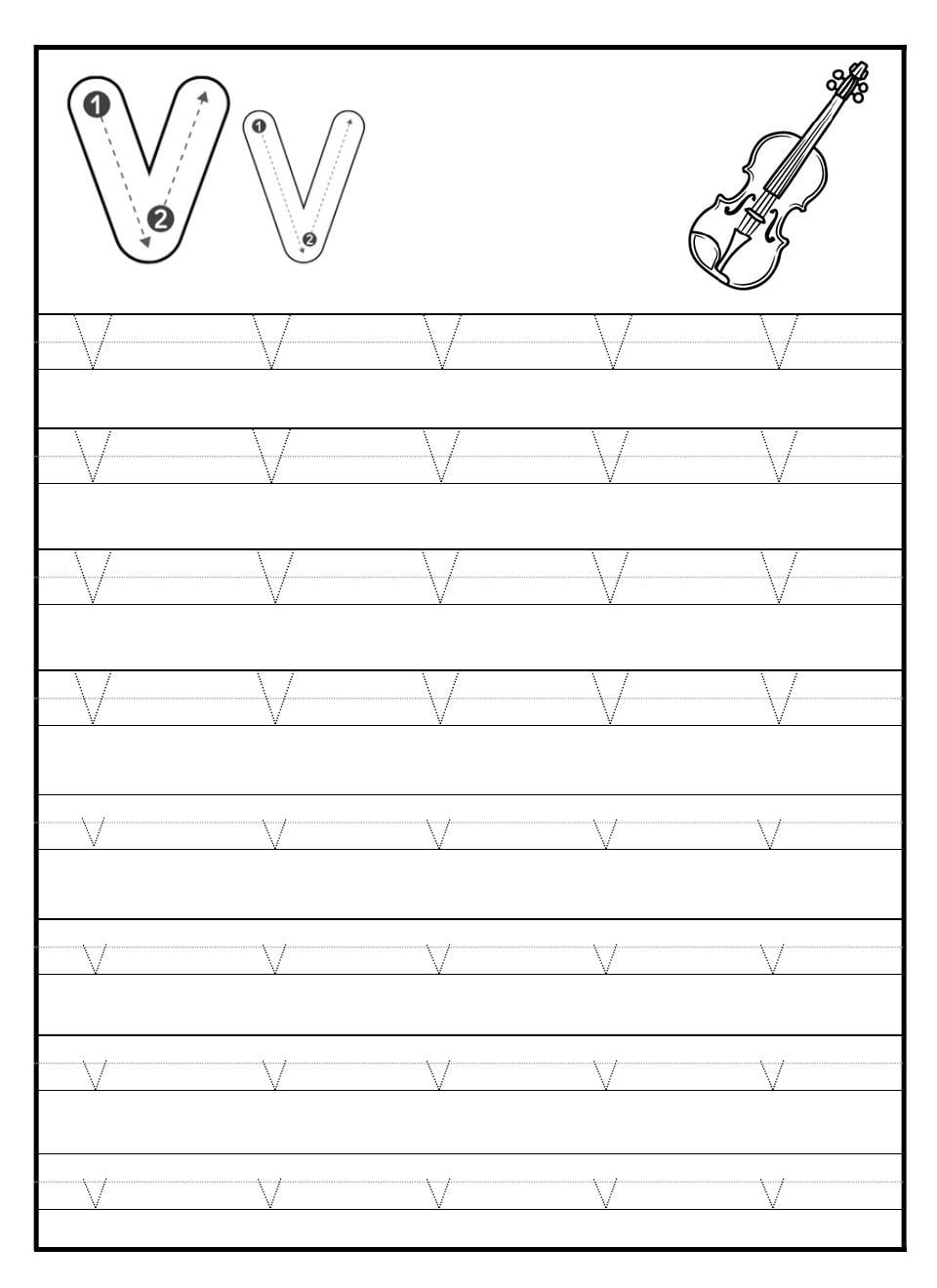
22. Letter V Tracing Worksheet
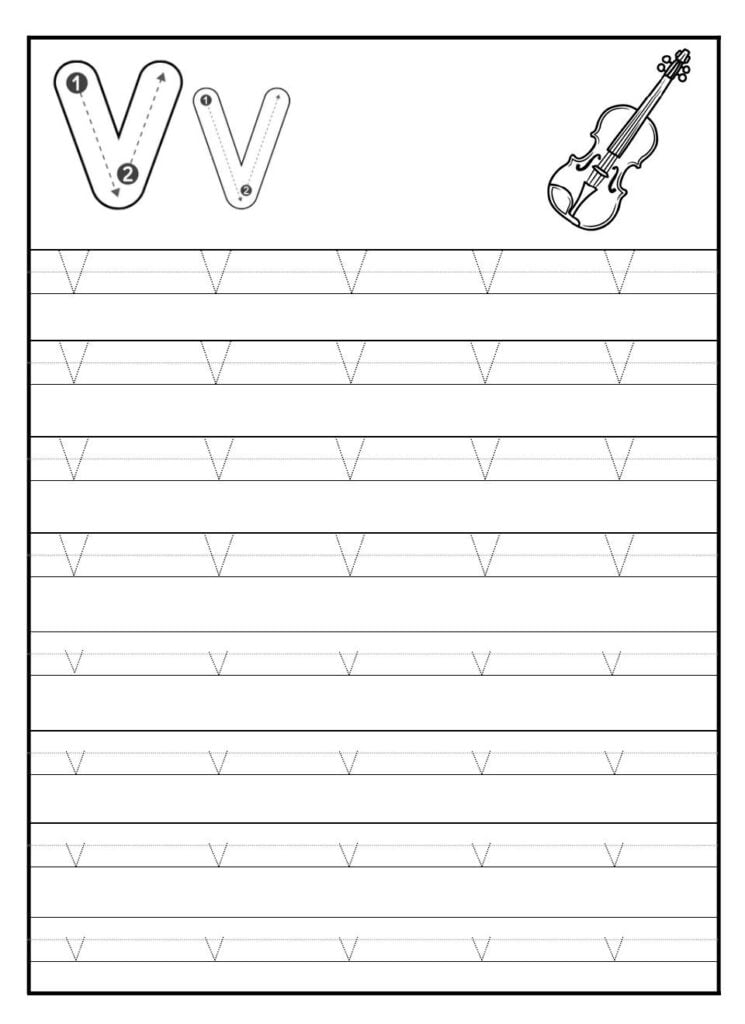
This page introduces uppercase V and lowercase v. Children practice both forms through repeated tracing.
A violin picture appears beside the letters. You can explain that a violin is a musical instrument.
Ask your child to say the word before moving on to the tracing lines.
23. Letter W Tracing Worksheet
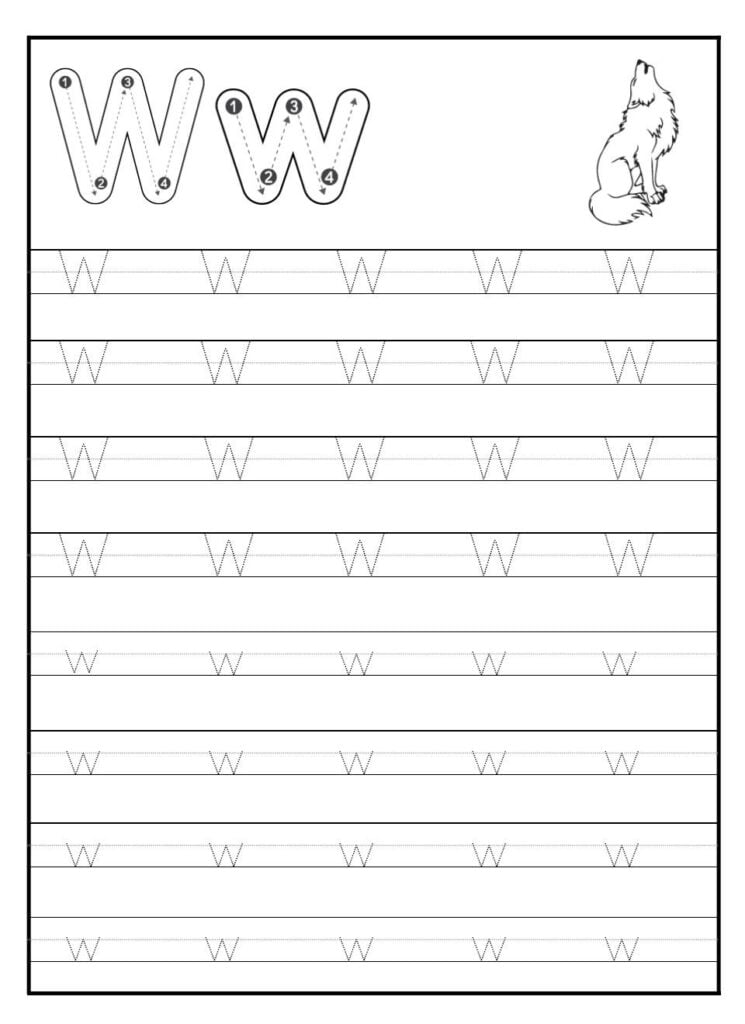
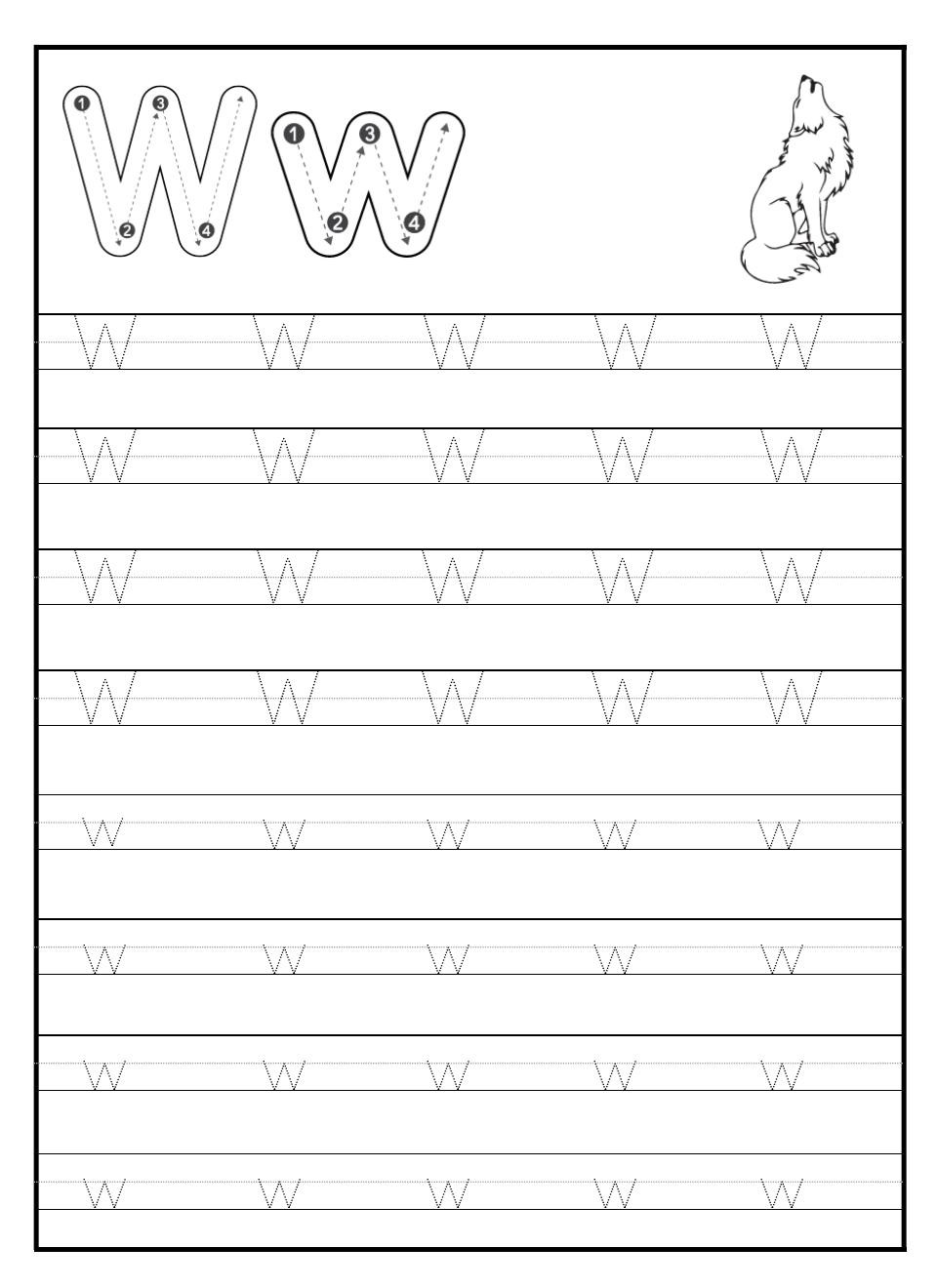
The twenty-third printable focuses on uppercase W and lowercase w. Children repeat the letters across the provided handwriting lines.
A wolf picture adds an animal theme to the page. You can ask your child to identify the animal and repeat its name.
Then, let them practice the letter forms at their own pace.
24. Letter X Tracing Worksheet
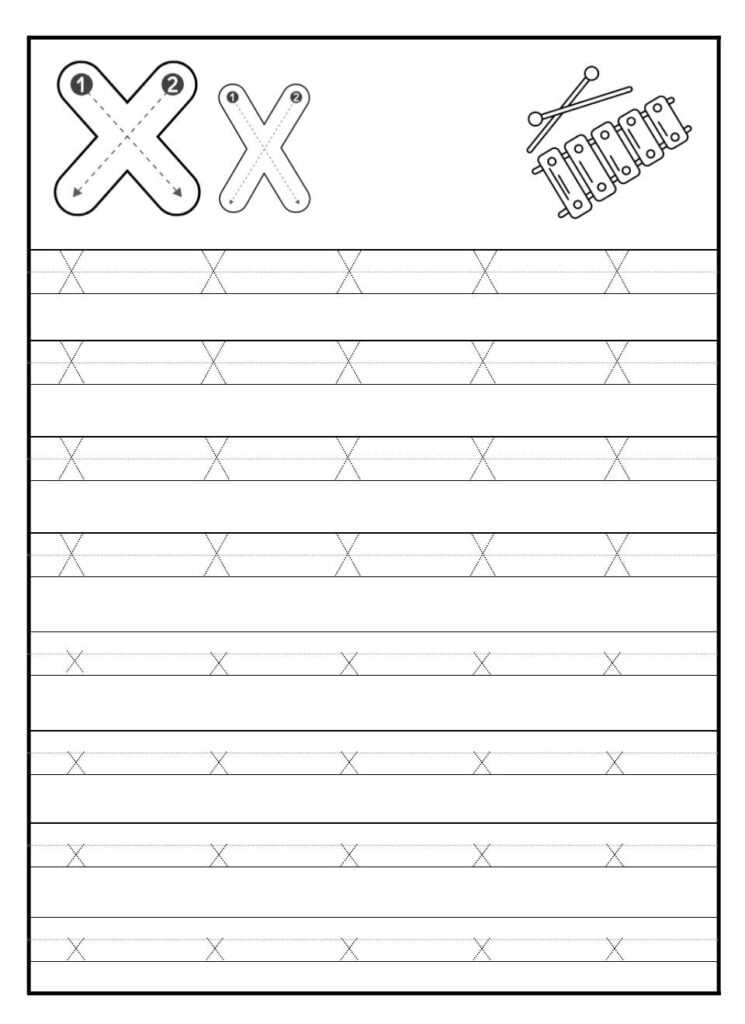
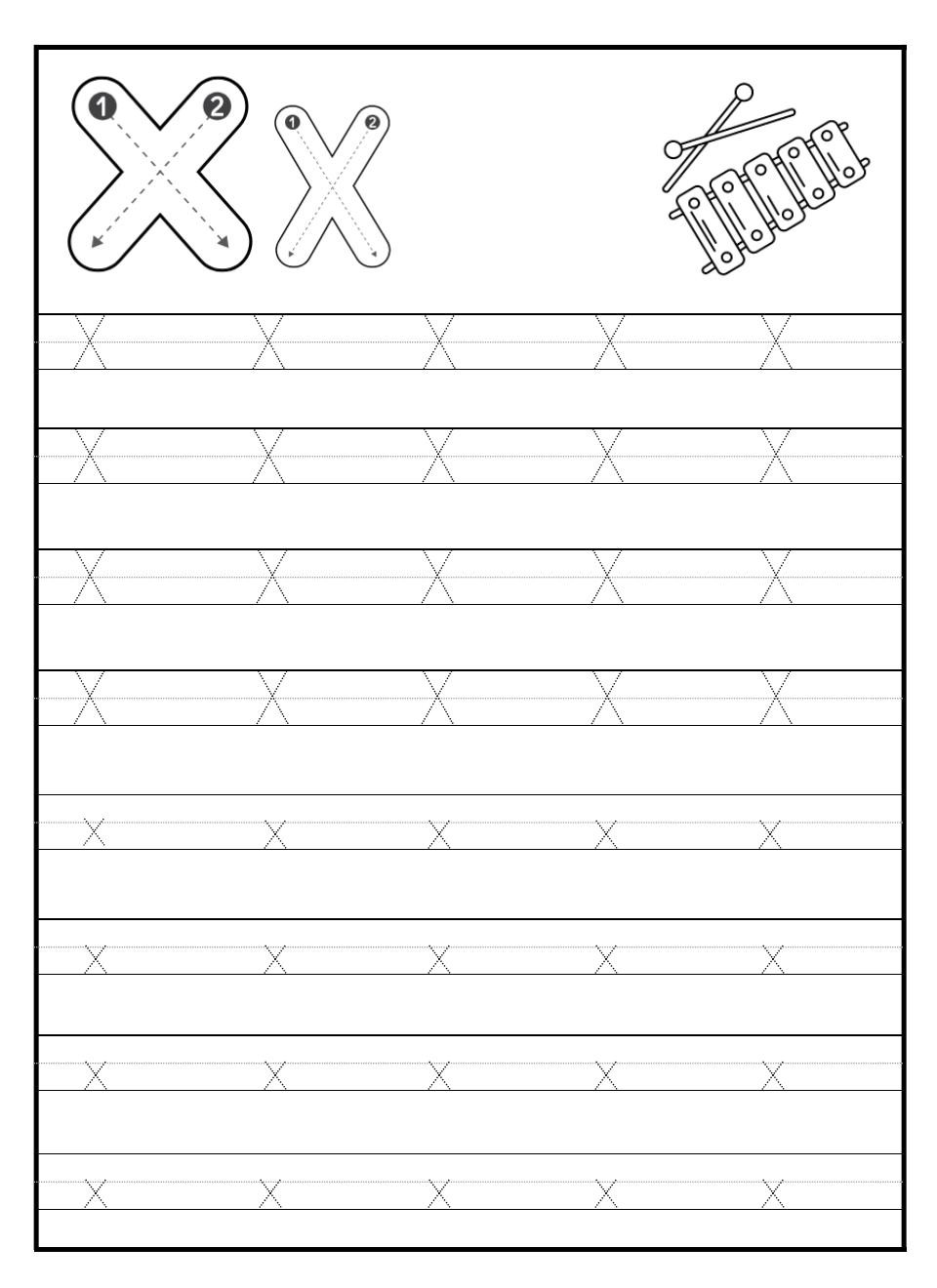
This worksheet gives children practice with uppercase X and lowercase x. The tracing guides help them follow the crossing strokes.
A xylophone picture appears in the illustration area. Explain that a xylophone is a musical instrument with bars that produce different notes.
This introduces a less common word while keeping the activity focused on letter formation.
25. Letter Y Tracing Worksheet
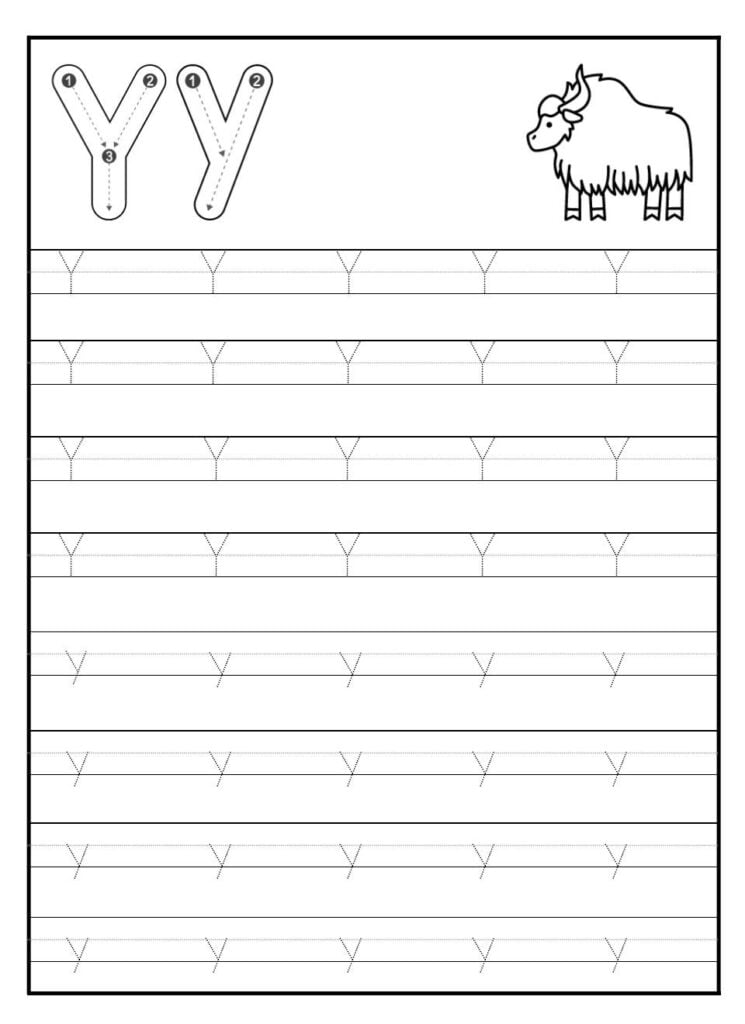
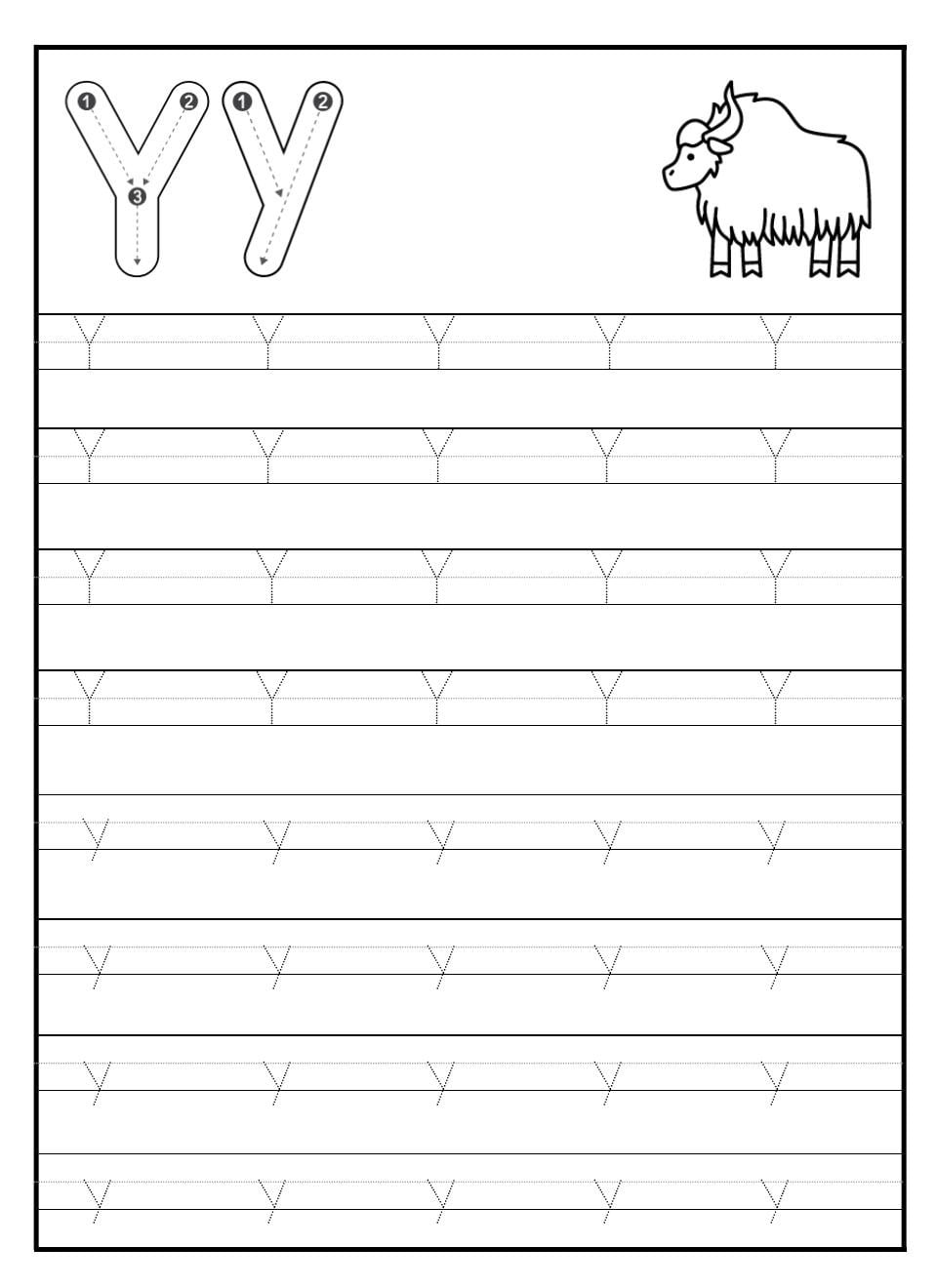
The twenty-fifth printable features uppercase Y and lowercase y. Children trace both forms across several lines.
A yak picture accompanies the letter examples. You can introduce the animal by saying its name together.
Encourage your child to follow the tracing guides carefully before trying the letters independently.
26. Letter Z Tracing Worksheet
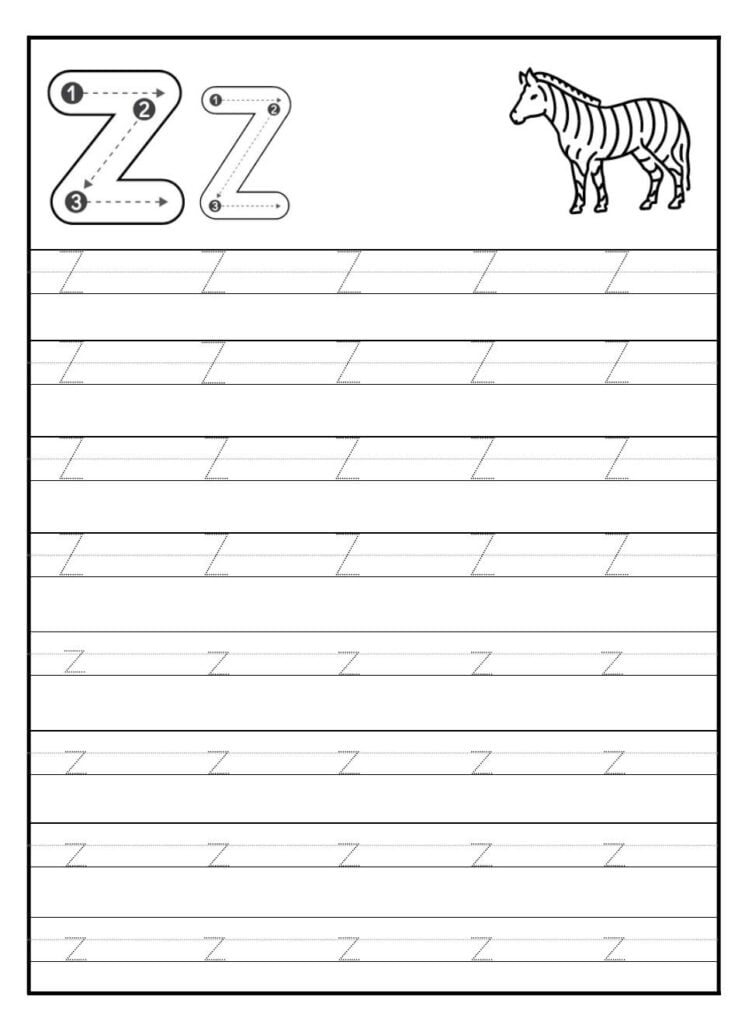
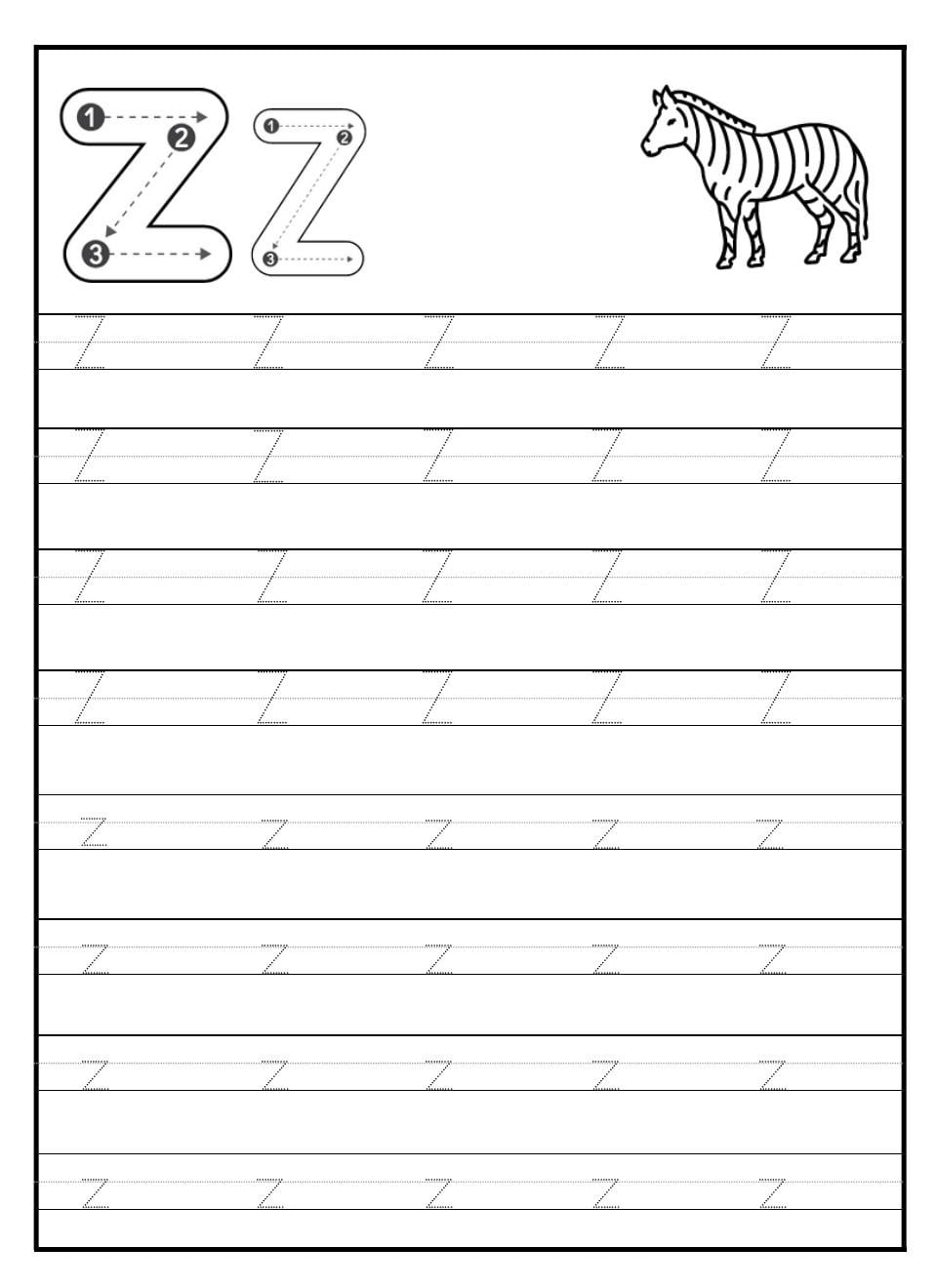
The final worksheet introduces uppercase Z and lowercase z. Children trace each form repeatedly to complete the alphabet sequence.
A zebra picture adds a recognizable animal to the page. Ask your child to name the zebra and identify its beginning sound.
This finishes the collection with one last opportunity to practice letter recognition and handwriting.
Final Thoughts
These Alphabet Tracing Worksheets give children a simple way to practice every letter from A to Z.
Each page includes uppercase and lowercase forms, repeated tracing lines, and a matching picture. This combination helps make early handwriting practice varied and approachable.
Parents and teachers can introduce one letter at a time or revisit letters children find difficult.
Say each letter aloud and discuss the picture before beginning. You can also encourage children to try writing the letter independently after tracing. Keep each session short enough to maintain their interest.
Remember that children develop handwriting skills at different rates. Celebrate careful effort instead of expecting perfect letters right away.
With patience and regular practice, these Alphabet Tracing Worksheets can become a helpful part of your child’s early learning routine.