My Letter Book Worksheets for Engaging A-Z Alphabet Practice
Disclosure: Some of the links in this post are affiliate links. This means if you click on the link and purchase an item, I will receive an affiliate commission at no extra cost to you.
Learning the alphabet becomes more enjoyable when children can explore each letter at their own pace.
A simple page gives them time to notice the letter, say its name, and connect it with familiar objects. This approach can make early alphabet practice feel more like discovery than a formal lesson.
These My Letter Book Worksheets give children a complete A-Z collection to explore. Each page focuses on one letter and includes three picture words that begin with that letter.
The A page features ant, astronaut, and airplane, while the B page features bee, balloon, and banana.
The pages continue through the entire alphabet, from C with car, cat, and clock to Z with zero, zebra, and zoo. This makes the collection useful for introducing letters gradually or reviewing the alphabet together.
You can print the pages individually, work through them in order, or revisit letters your child enjoys most.
The familiar pictures also create simple opportunities for conversation and word practice. Ask your child to name the pictures, repeat the beginning sound, or point to each object as you read the word together.
With regular practice, these pages can become a fun part of an early learning routine while giving children their own My Letter Book! to explore from A to Z.
My Letter Book Worksheets for Engaging A-Z Alphabet Practice
A Is for Ant, Astronaut, and Airplane
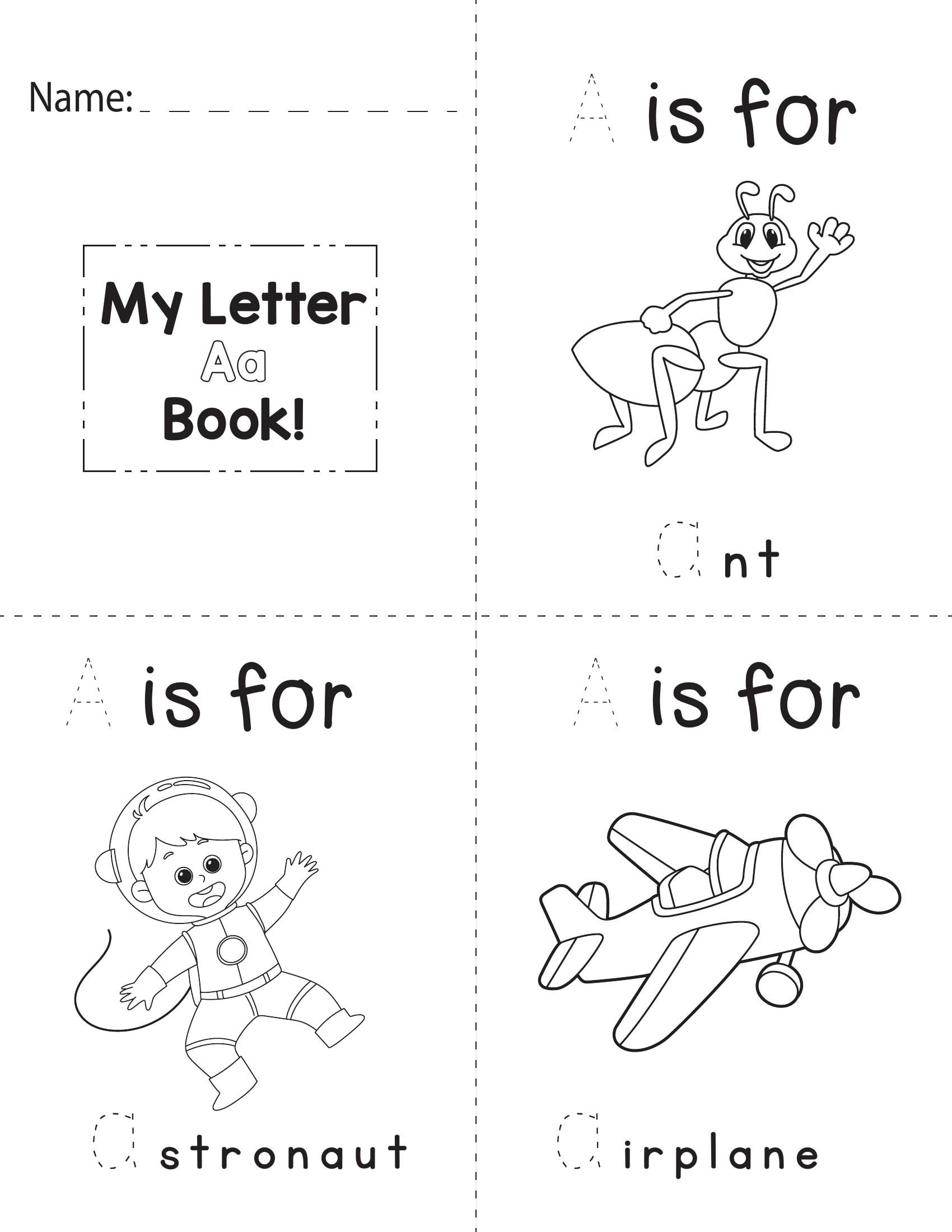
The A page introduces both uppercase and lowercase forms of the letter A. Children explore three picture words: ant, astronaut, and airplane.
These examples connect the letter with an animal, a person, and an object. Encourage your child to name each picture slowly while looking at the page.
You can also ask them to repeat the letter sound after saying each word.
B Is for Bee, Balloon, and Banana
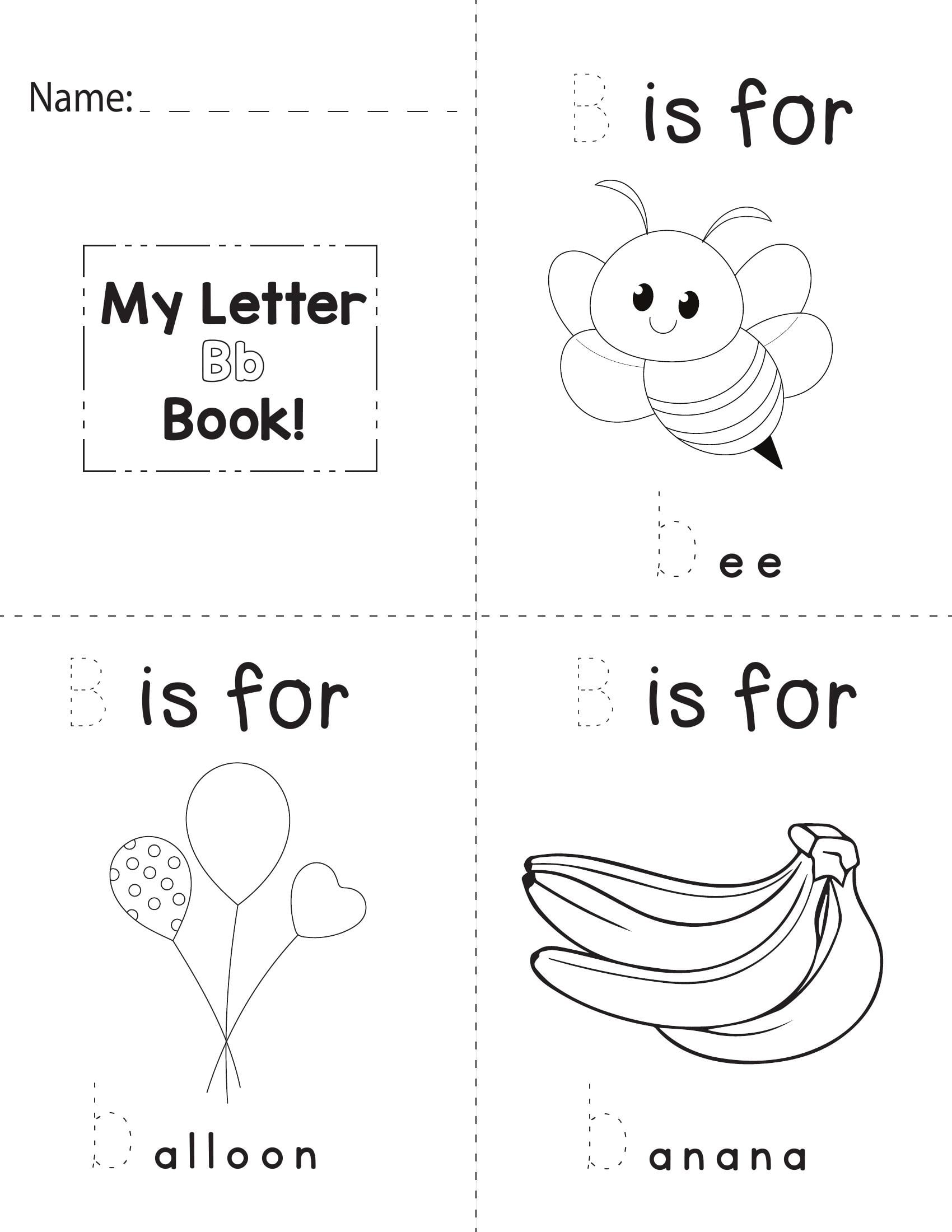
The B page focuses on the uppercase and lowercase letter B. It features bee, balloon, and banana as the three picture-word examples.
These familiar words give children simple examples to recognize and say aloud. Ask your child to point to each picture as you name it. Then, let them repeat the words while looking closely at the letter B.
C Is for Car, Cat, and Clock
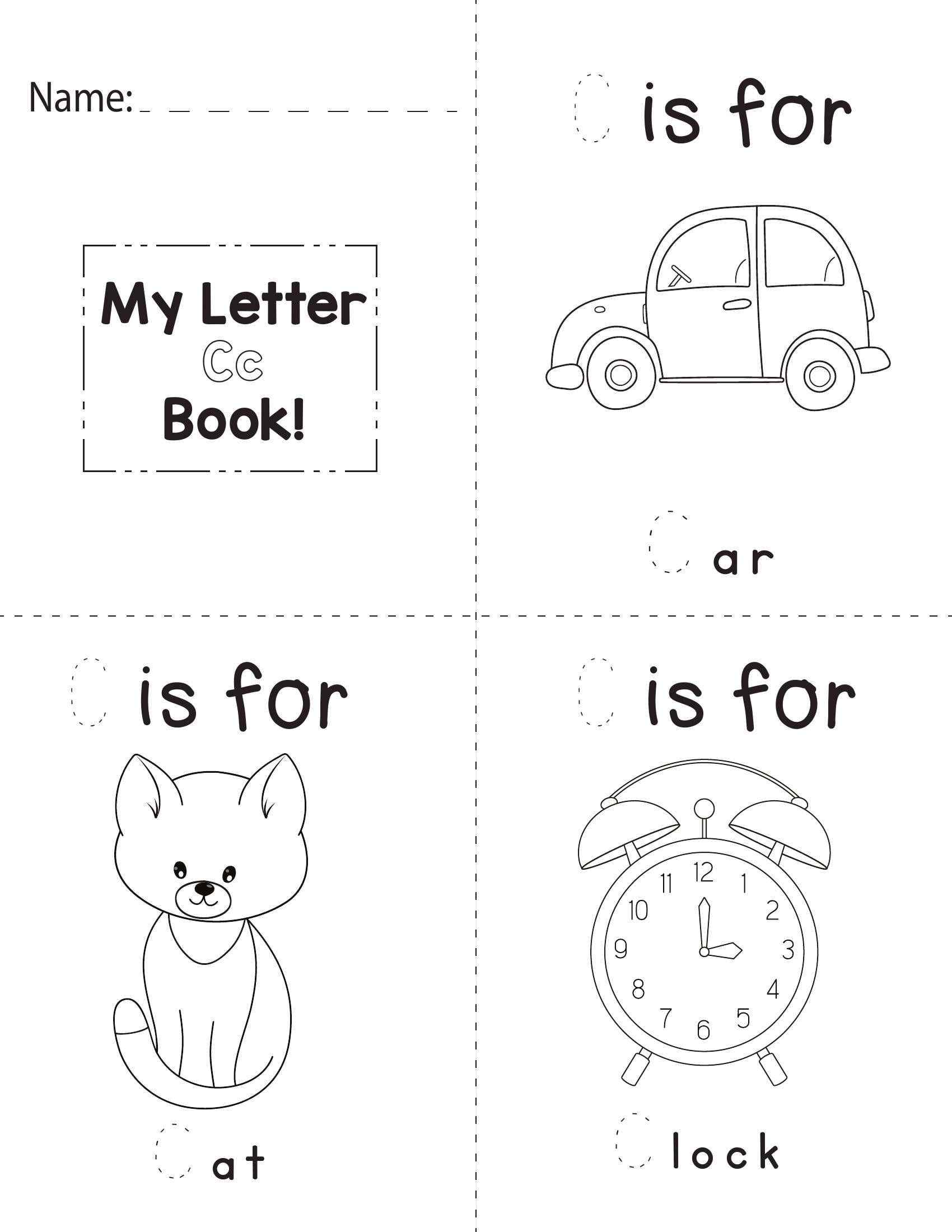
The C page introduces the letter C through car, cat, and clock. Each picture gives children a familiar word connected with the featured letter.
This makes the page easy to discuss during a short learning session. Let your child name the pictures before you say the words together. You can also revisit the page later for a quick alphabet review.
D Is for Doll, Duck, and Dog
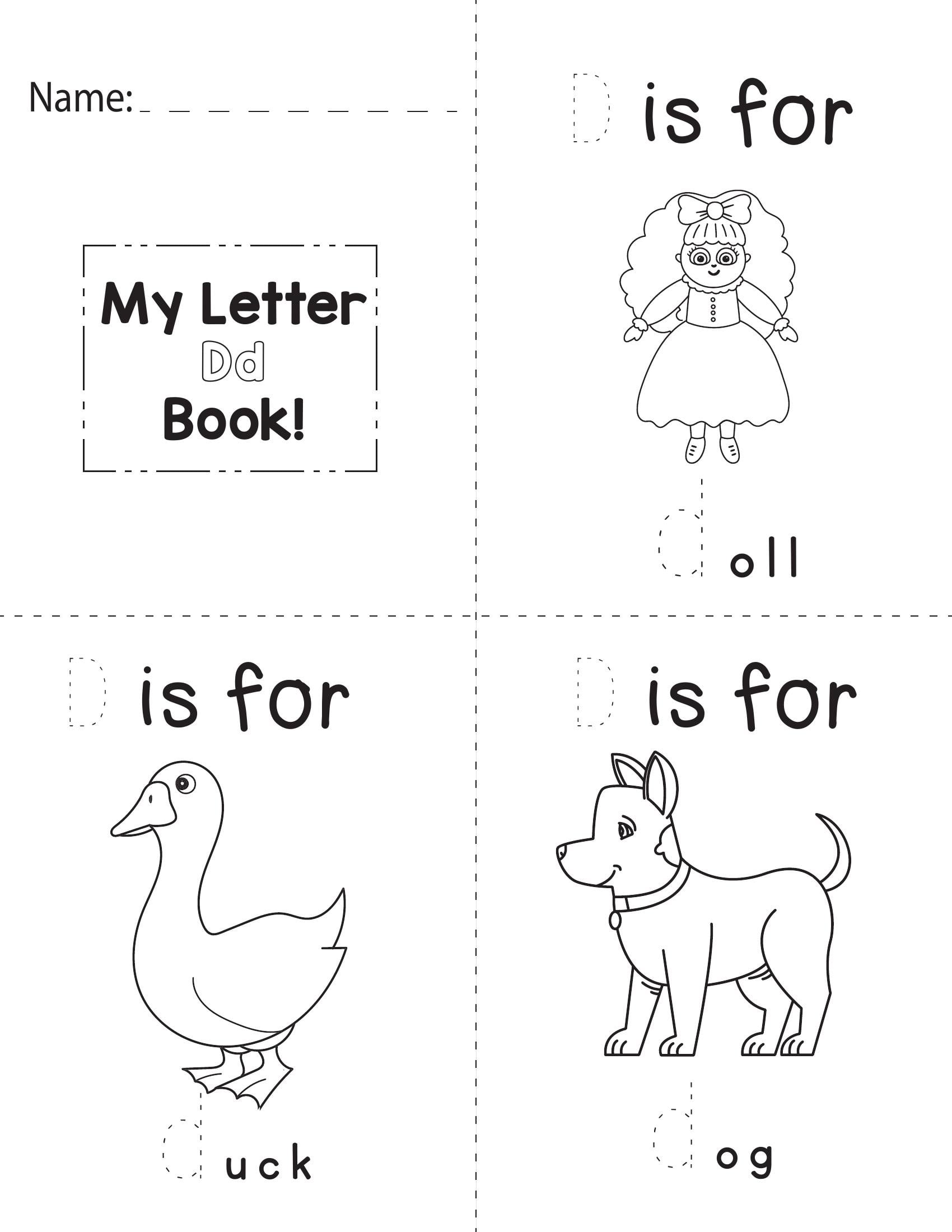
The D page features doll, duck, and dog. These three examples introduce children to different words beginning with D. Some children may already recognize these objects and animals from daily life.
Ask them to identify each picture before introducing the written words. Keep the conversation simple so the page remains fun and easy to follow.
E Is for Eagle, Envelope, and Elephant
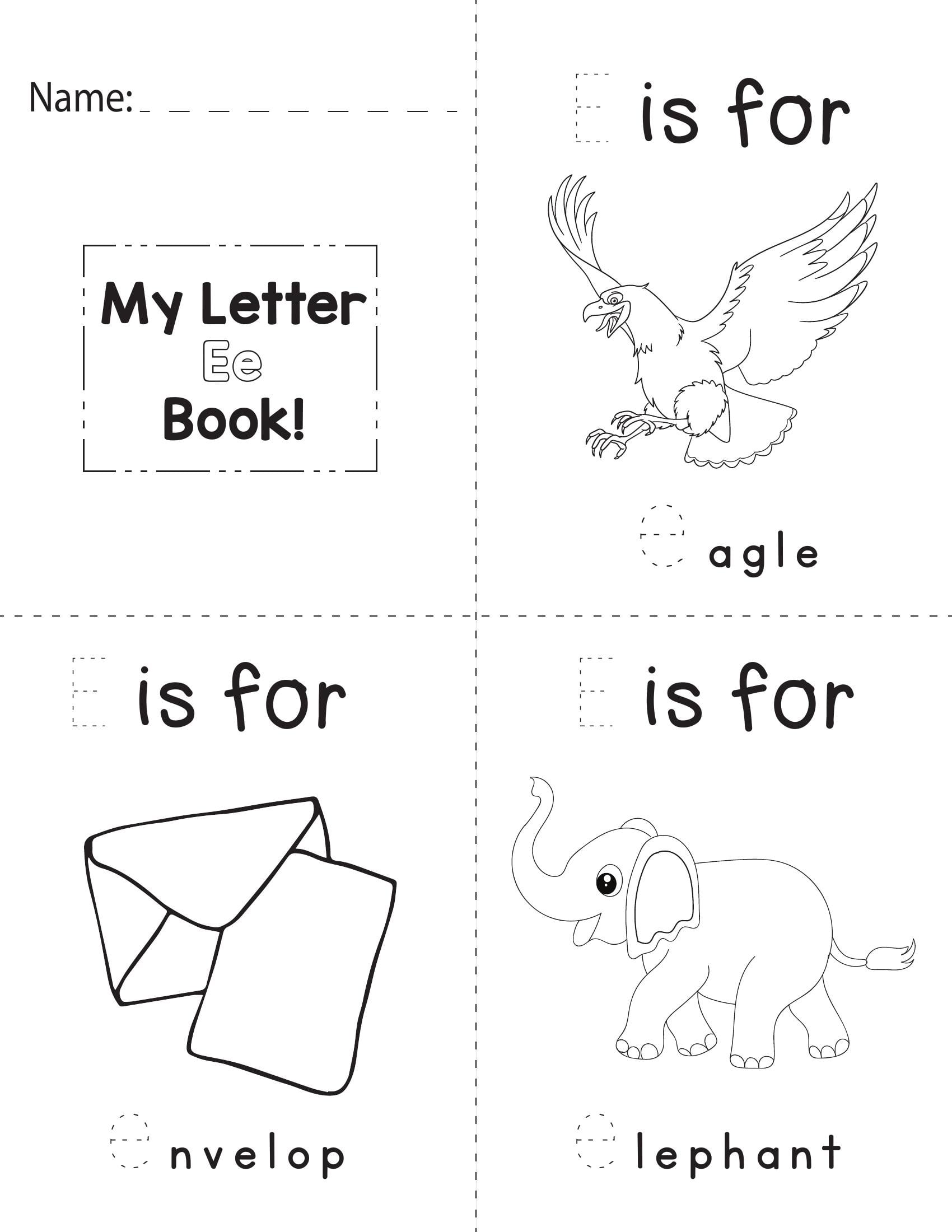
The E page brings together eagle, envelope, and elephant. Children can explore these three pictures while becoming familiar with uppercase and lowercase E.
The examples include both animals and an everyday object. Encourage your child to say each word clearly while pointing at its picture. This can turn a simple page into a short speaking and vocabulary activity.
F Is for Frog, Fan, and Flower
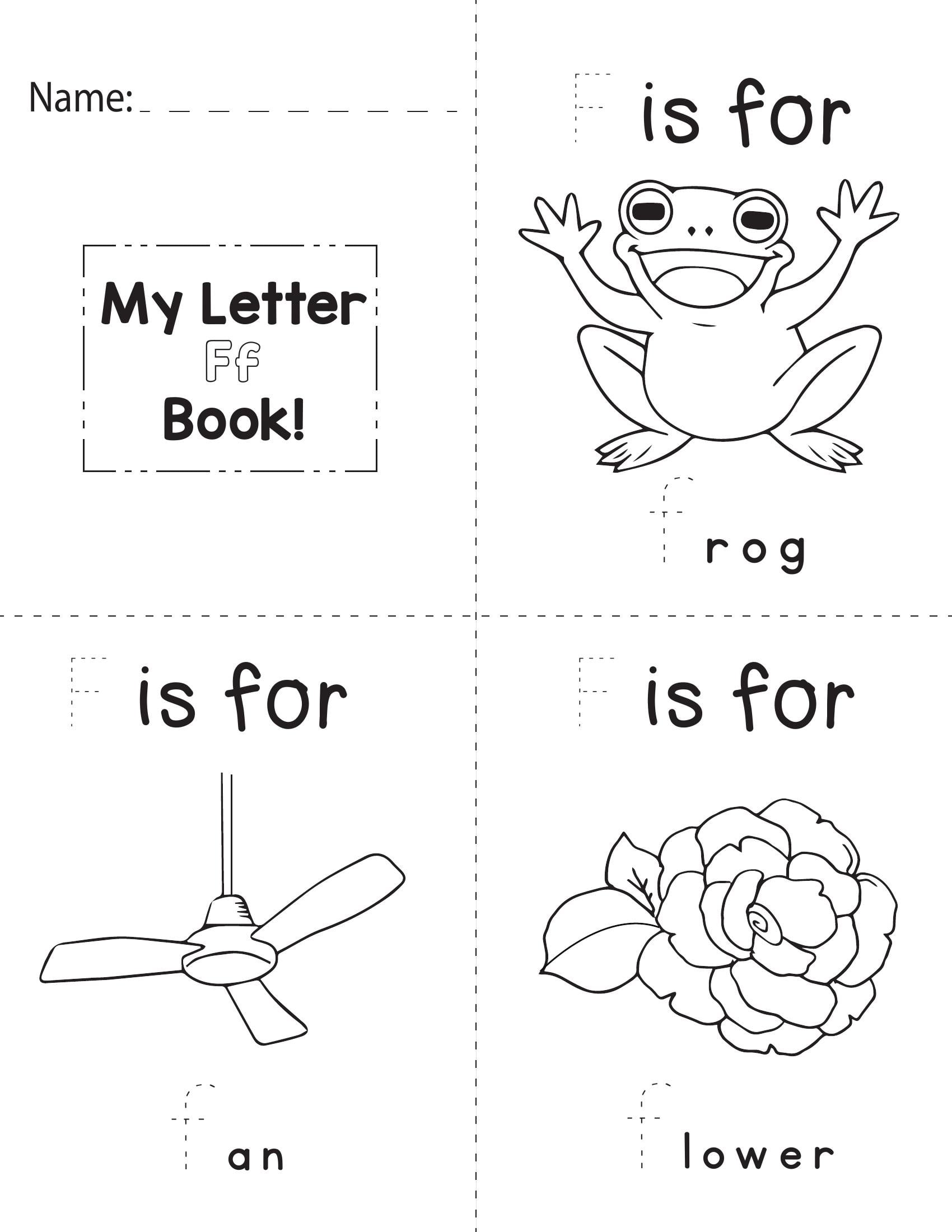
The F page includes frog, fan, and flower. These familiar examples give children different things to recognize and name. You can ask which picture they notice first and why they like it.
Afterward, say the three words together and emphasize their beginning sound. Repeating the activity later can help the letter become more familiar.
G Is for Grapes, Glass, and Goat
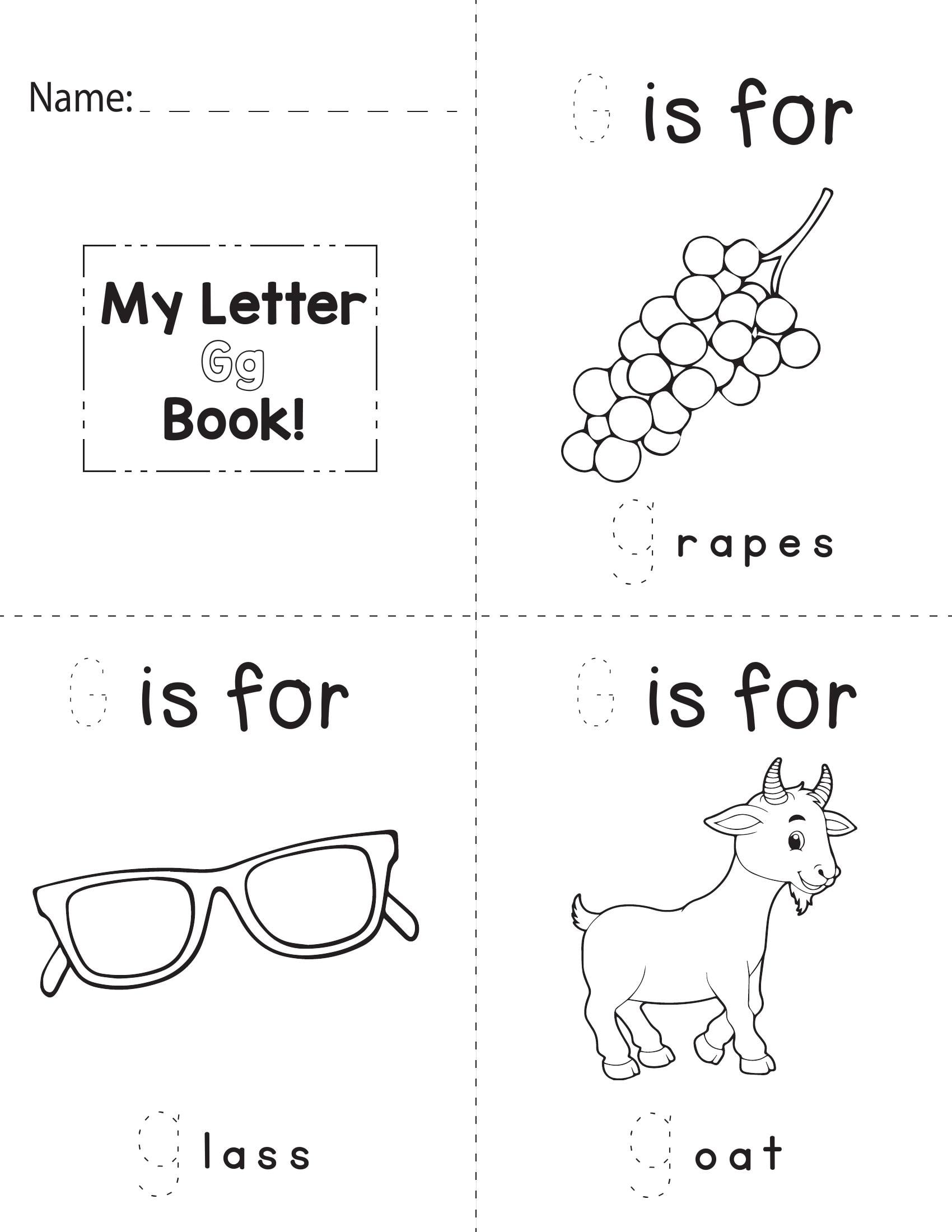
The G page introduces grapes, glass, and goat. Each word gives children another picture connection for the letter G. The examples also give you simple topics for short conversations.
Ask your child to point to each picture as you name it. Then, let them practice saying the words independently.
H Is for Hat, Hammer, and House
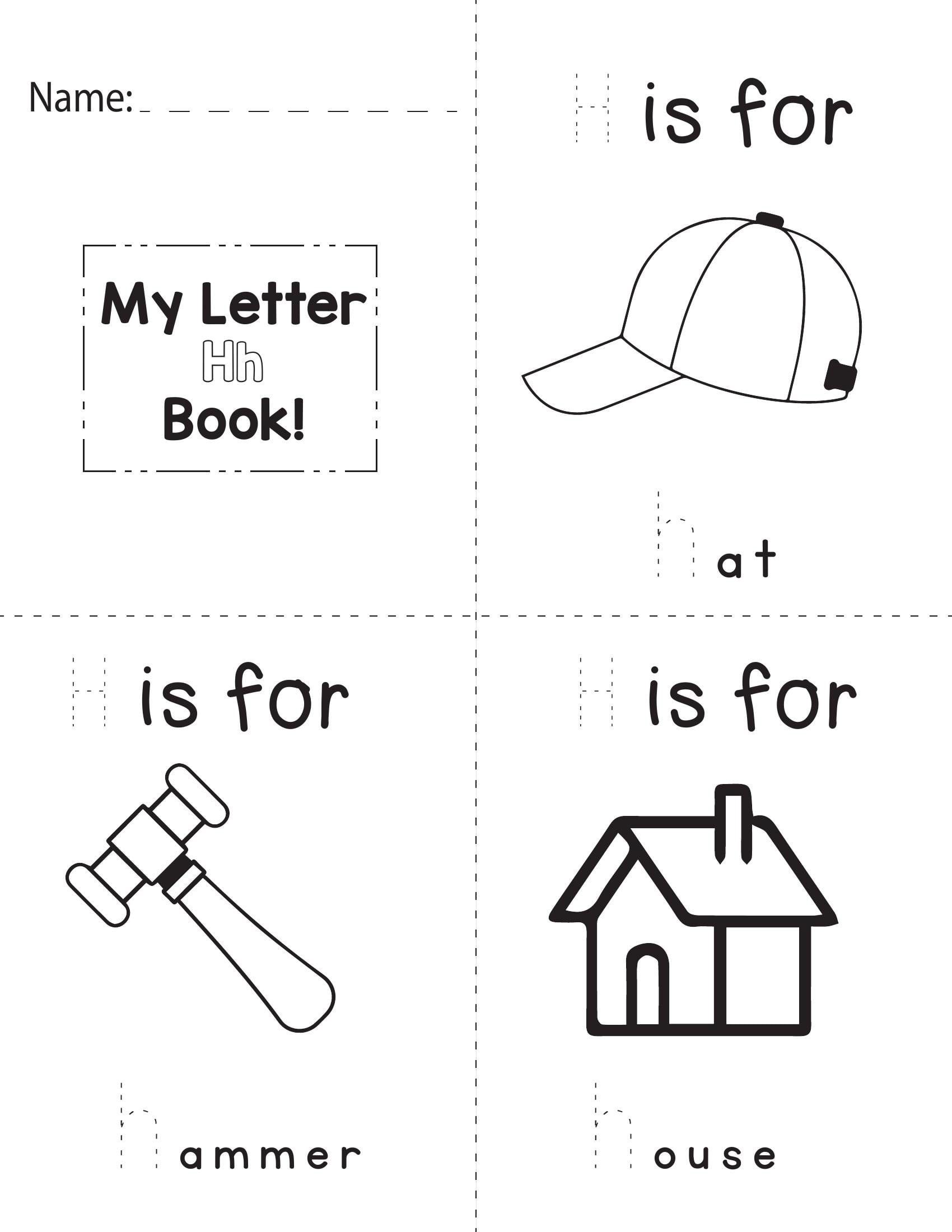
The H page features hat, hammer, and house. These recognizable examples can help children connect the letter H with everyday words.
Start by asking your child what they see on the page. Next, name each picture and invite them to repeat the words. You can finish by asking them to find the letter H again.
I Is for Icecream, Insect, and Igloo
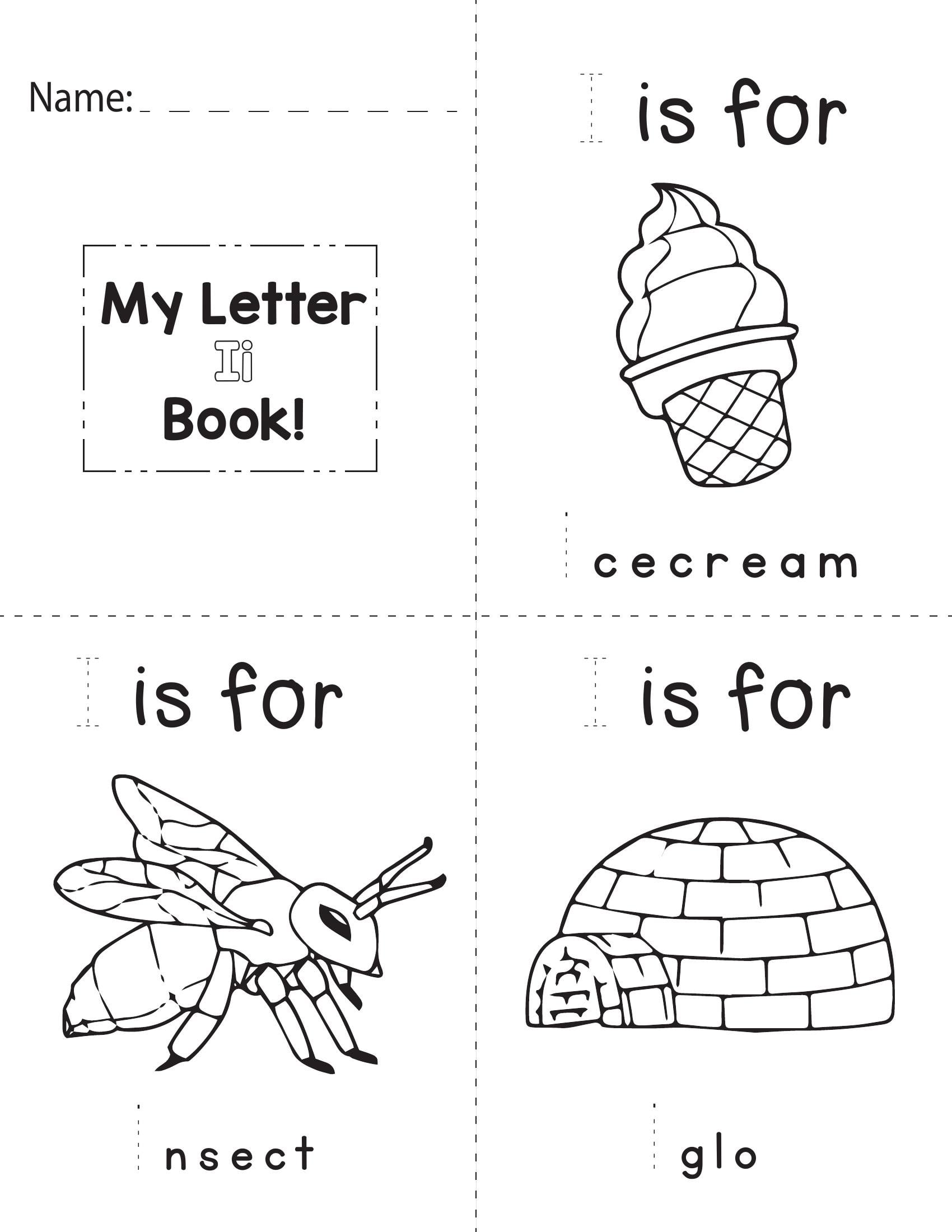
The I page features icecream, insect, and igloo. These examples introduce children to three different words beginning with I. The pictures also provide simple opportunities for conversation and observation.
Ask your child to identify each image before reading the words together. Let them choose one picture and describe what they know about it.
J Is for Jet, Jaguar, and Jar
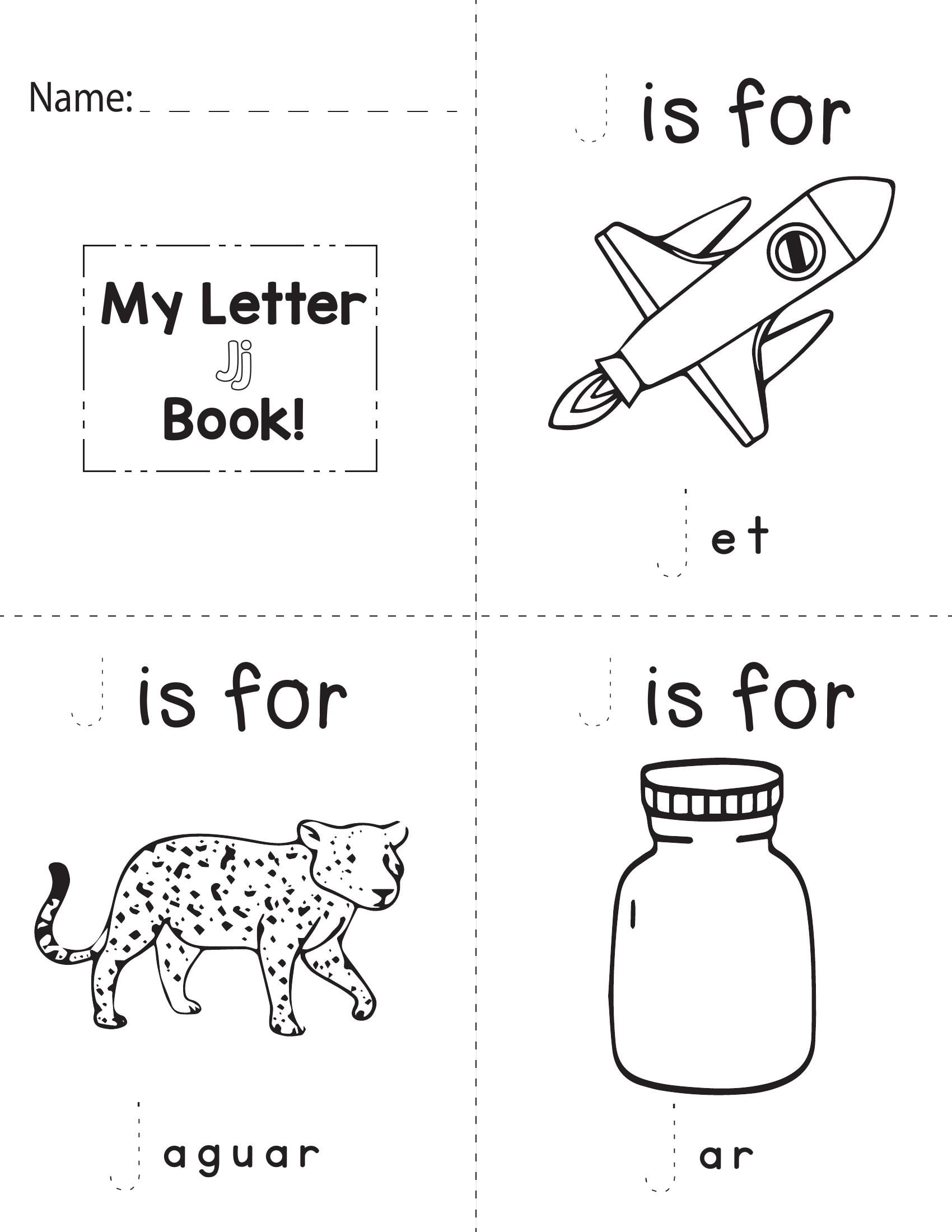
The J page introduces jet, jaguar, and jar. These examples give children three different picture words connected with J.
Talk about each picture before focusing on the written words. Your child can point to the jet, jaguar, and jar as you name them. Then, repeat the three words together for extra practice.
K Is for Kangaroo, King, and Kite
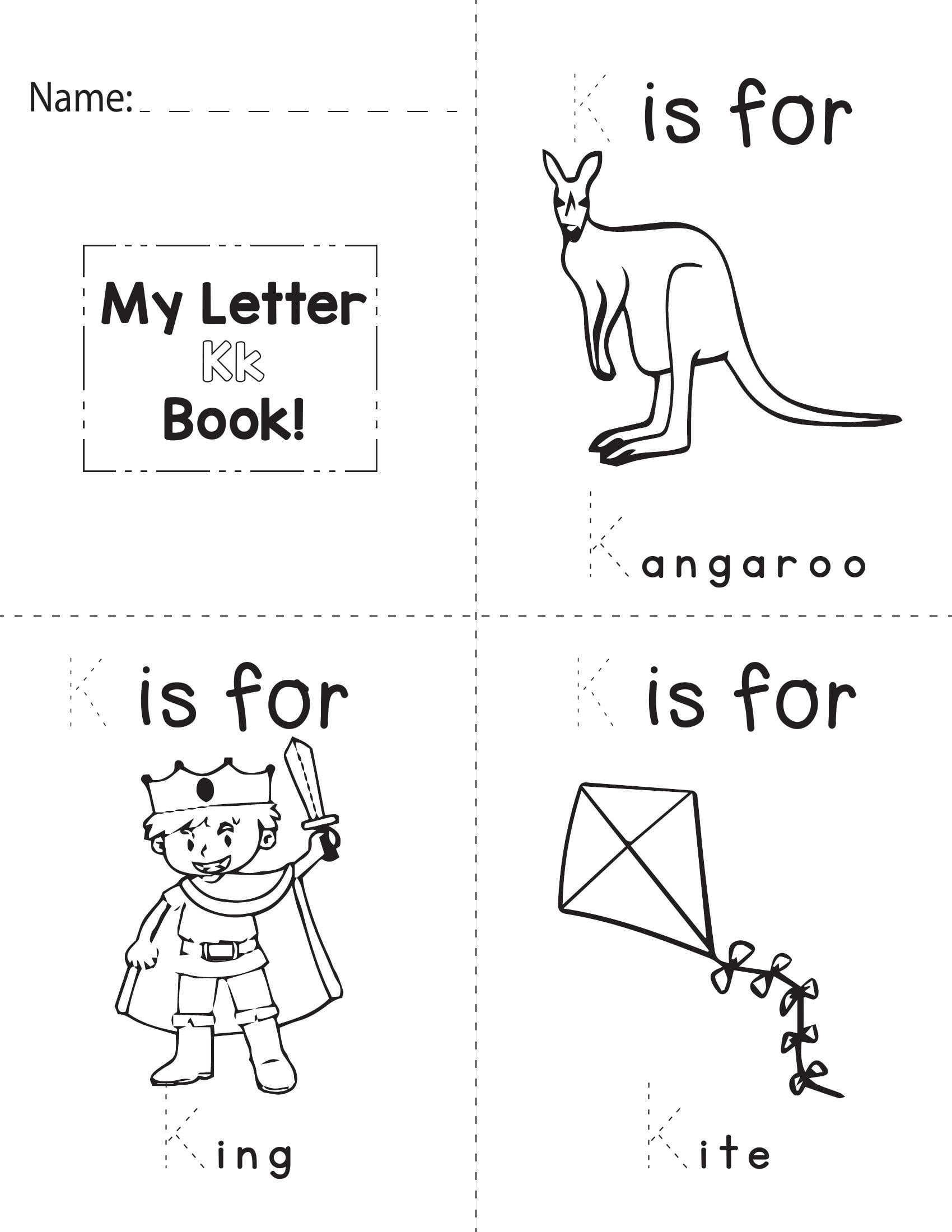
The K page includes kangaroo, king, and kite. These examples give children interesting words to associate with the letter K. The pictures also offer plenty of room for simple questions and conversation.
Ask your child to name each picture and repeat the words afterward. You can also invite them to choose their favorite K picture.
L Is for Lemon, Lion, and Leaf
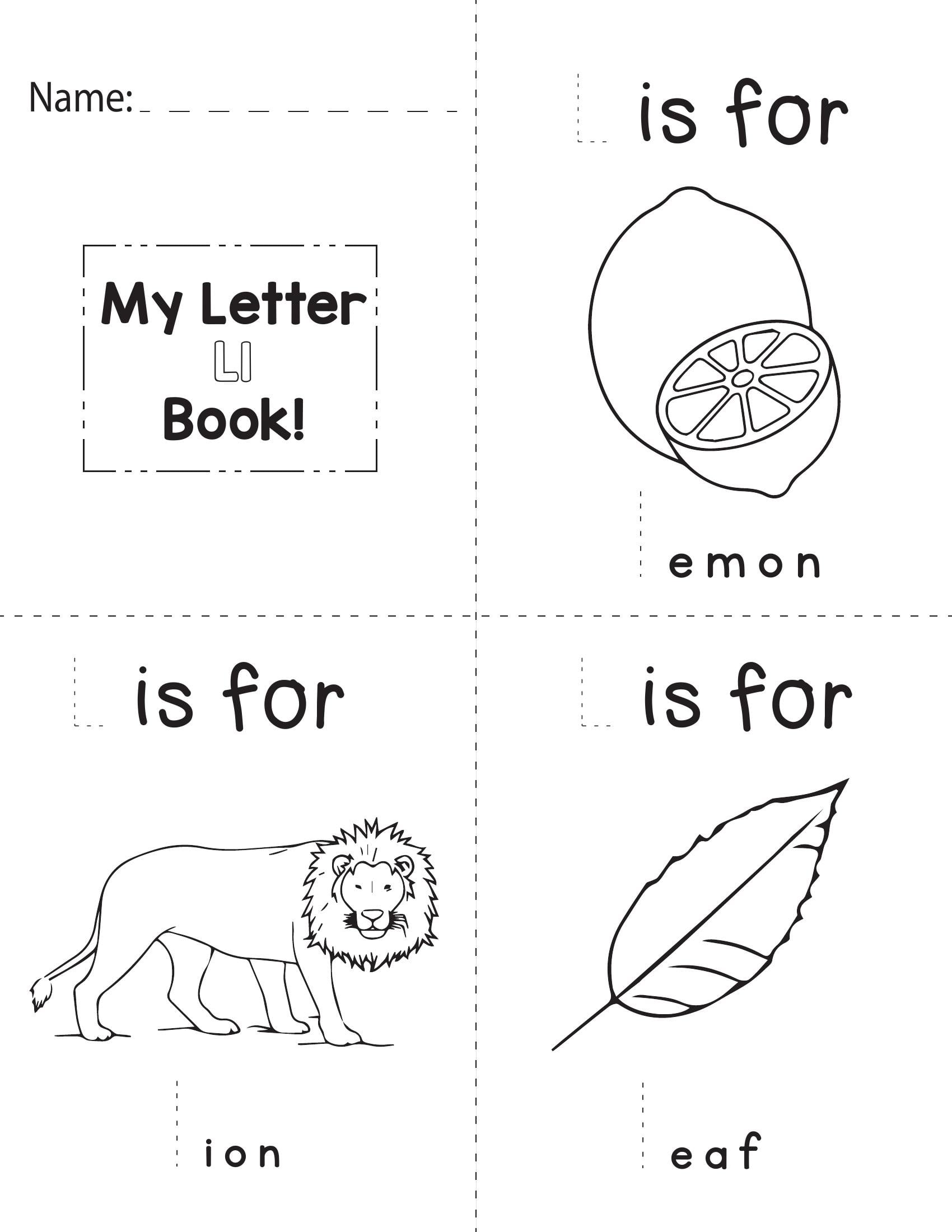
The L page features lemon, lion, and leaf. These familiar examples help children connect the letter L with different objects and animals.
Begin by letting your child identify the pictures without help. Then, say each word together and focus on the beginning letter. A quick review later can reinforce the connection between L and its picture words.
M Is for Mouse, Moon, and Mug
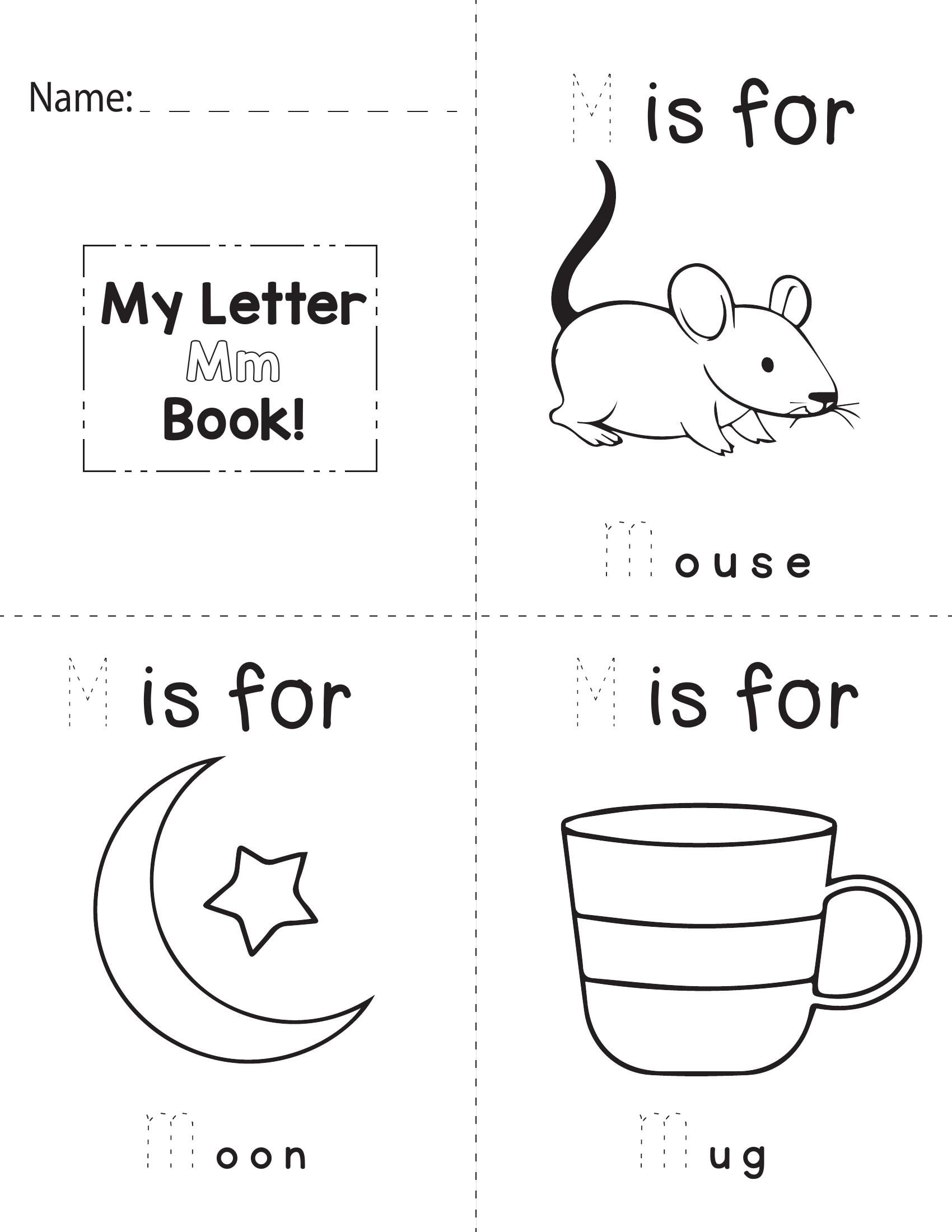
The M page introduces mouse, moon, and mug. These three examples give children different ideas to associate with the letter M. Some pictures may also encourage fun conversations about nighttime or household objects.
Ask your child to name what they see before reading the words together. After that, repeat the three words and point to their pictures.
N Is for Nuts, Nine, and Noodles
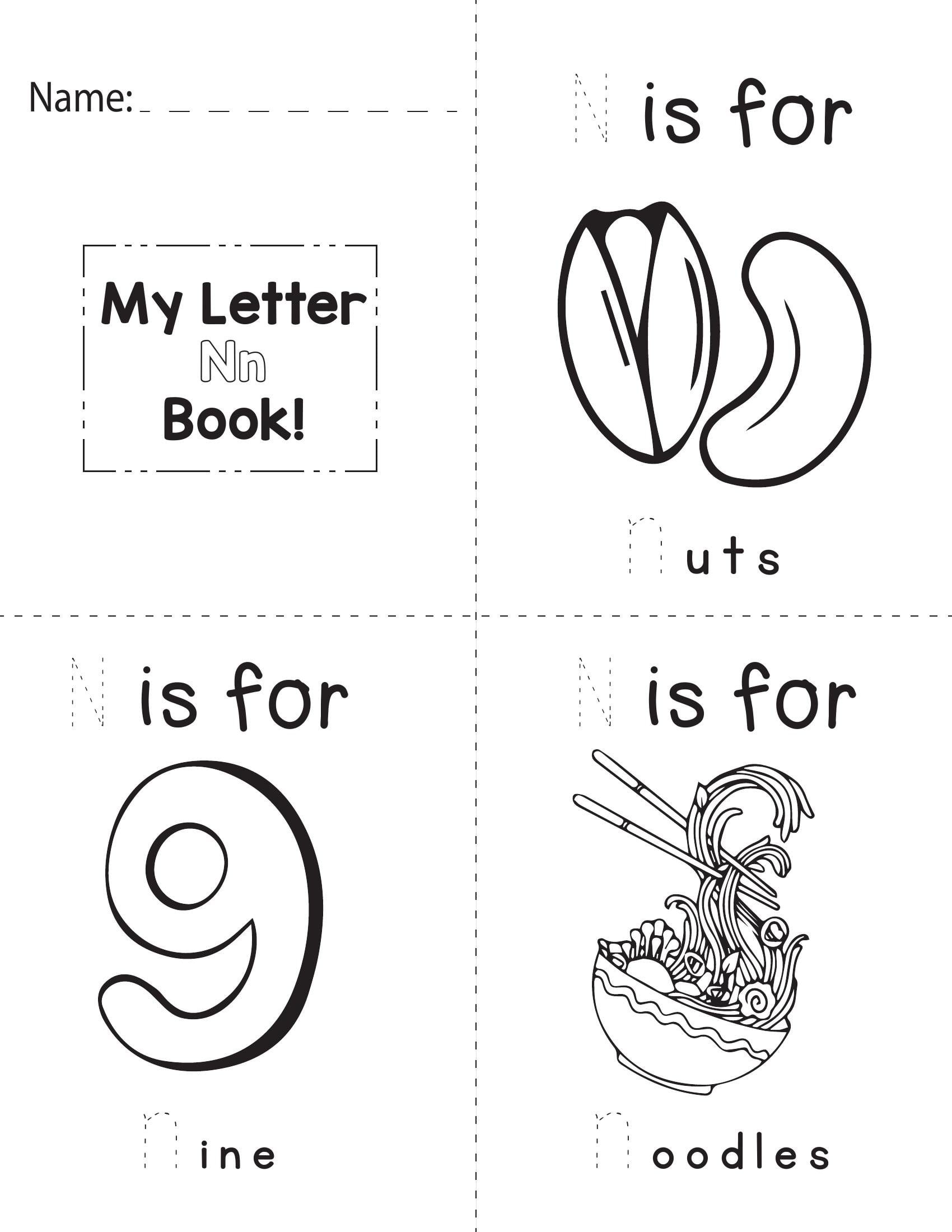
The N page features nuts, nine, and noodles. The page gives children three different examples connected with the letter N.
It includes a number alongside familiar food-related examples. Ask your child to identify each picture and say the word after you. You can also ask them to find the number nine on the page.
O Is for Owl, Orange, and Octopus
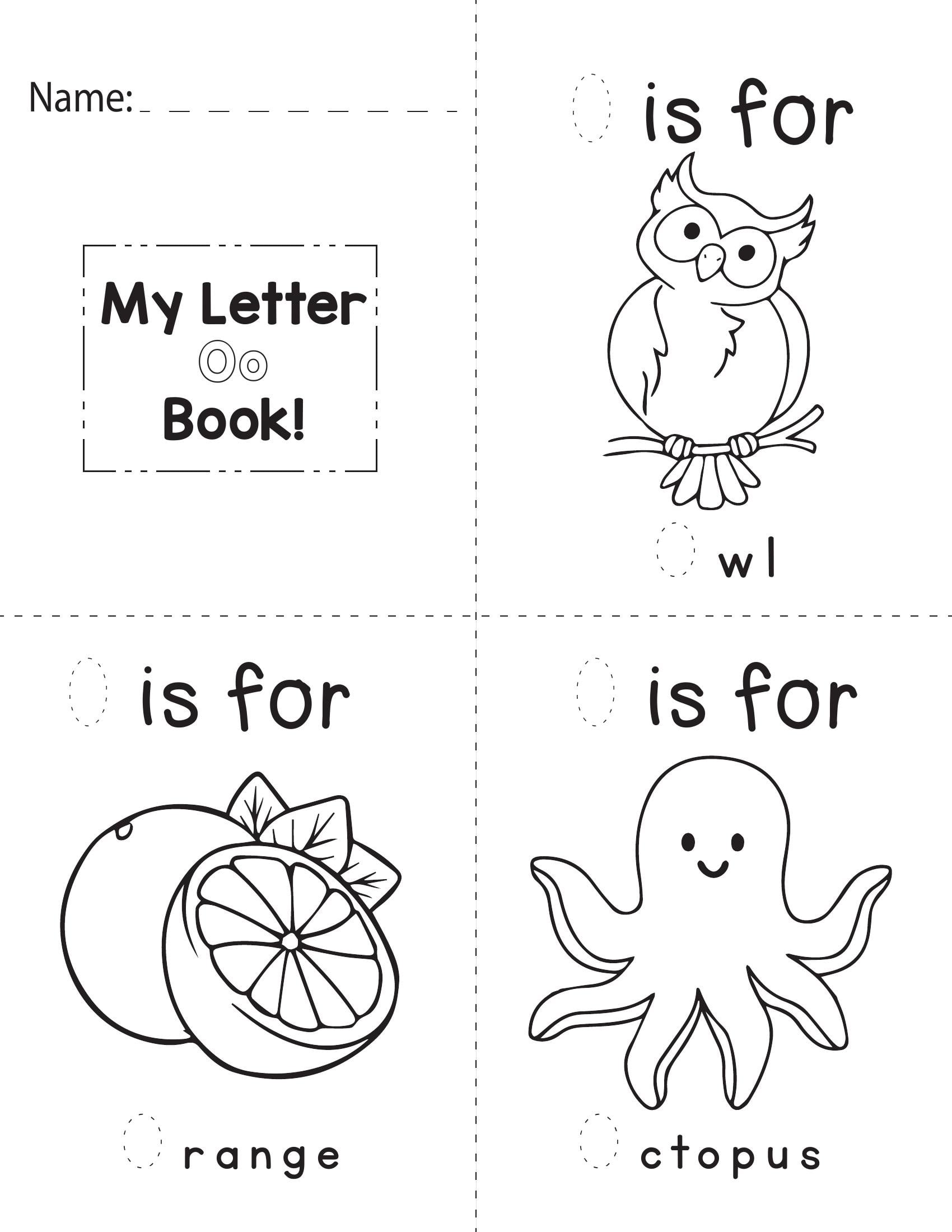
The O page includes owl, orange, and octopus. These examples give children three recognizable picture words for the letter O.
The animals can also create opportunities for simple conversations. Ask your child which picture they know best before reviewing the words. Finish by saying all three words together.
P Is for Penguin, Pineapple, and Pizza
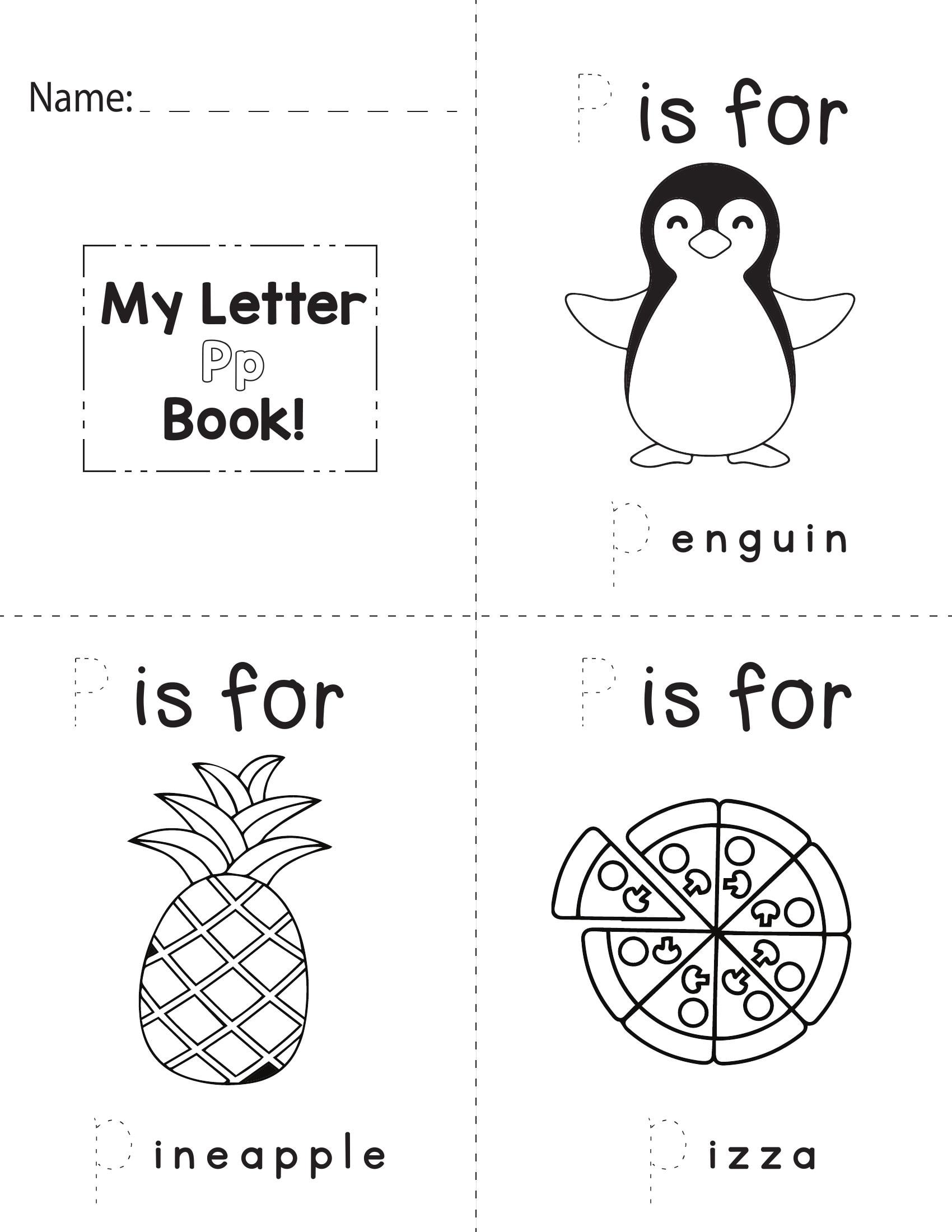
The P page features penguin, pineapple, and pizza. These playful examples can make the letter P page especially engaging for young children.
Each picture gives them a familiar word to recognize and discuss. Ask your child to name the pictures before reading their words together. You can also invite them to talk about their favorite picture on the page.
Q Is for Queen, Quail, and Quilt
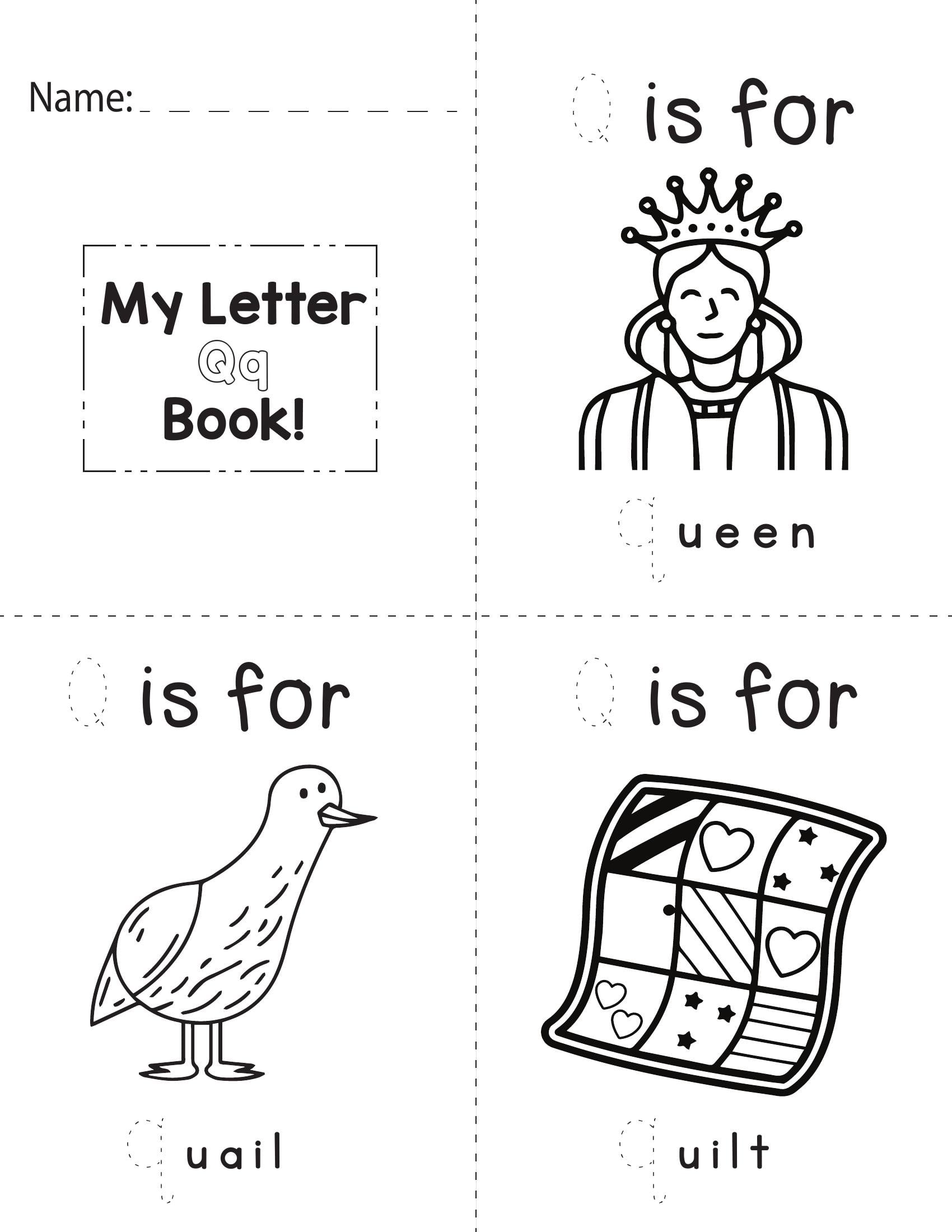
The Q page introduces queen, quail, and quilt. These examples give children three picture words connected with the letter Q. The page can provide useful vocabulary practice alongside alphabet exploration.
Take your time with each word and allow your child to repeat it. Pointing to each picture can also help keep their attention on the activity.
R Is for Robot, Rainbow, and Rabbit
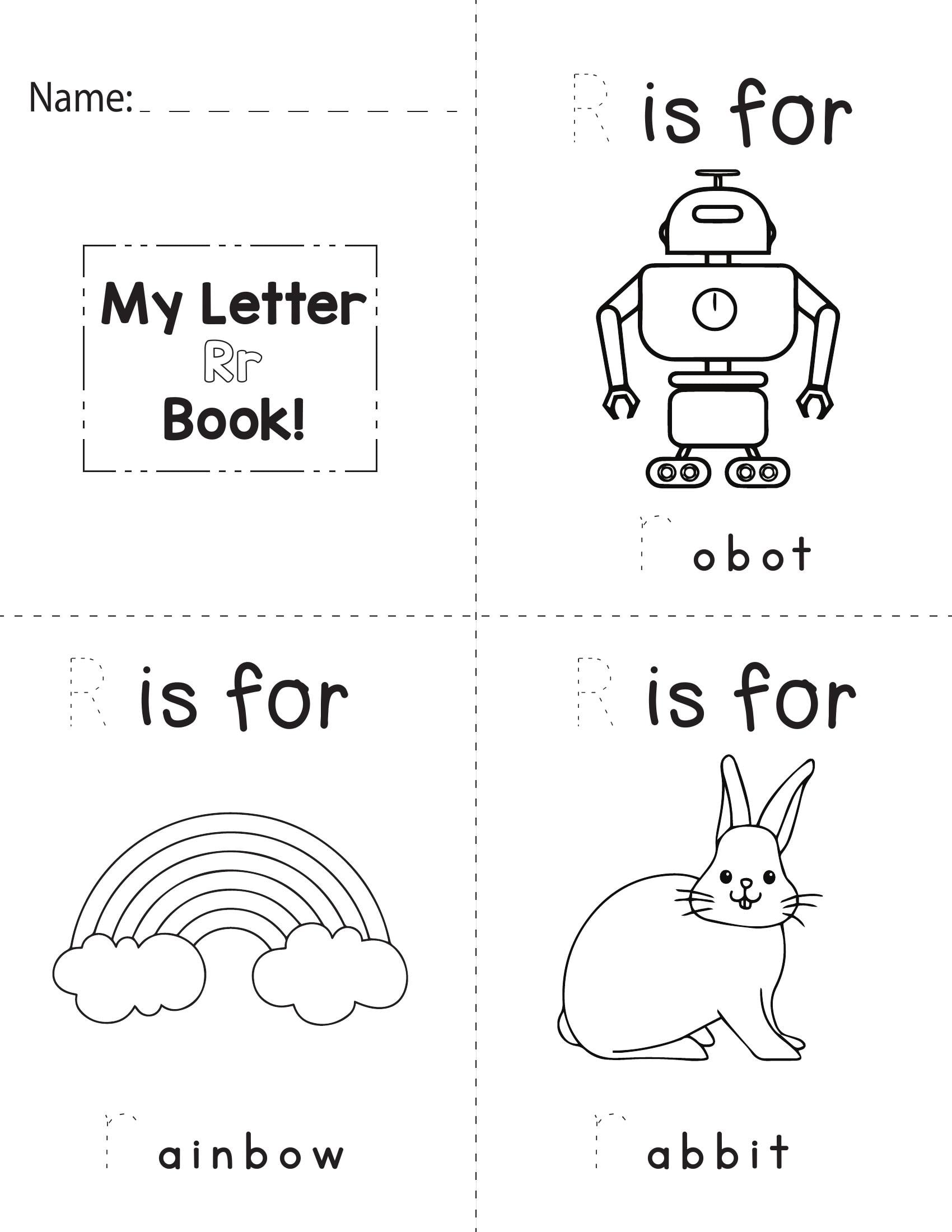
The R page features robot, rainbow, and rabbit. These familiar and interesting pictures give children several ways to connect words with R. Ask your child to identify each picture before reading the words.
Then, repeat the words together while pointing to the matching images. A quick review can make the page useful for another practice session later.
S Is for Spider, Snake, and Sock
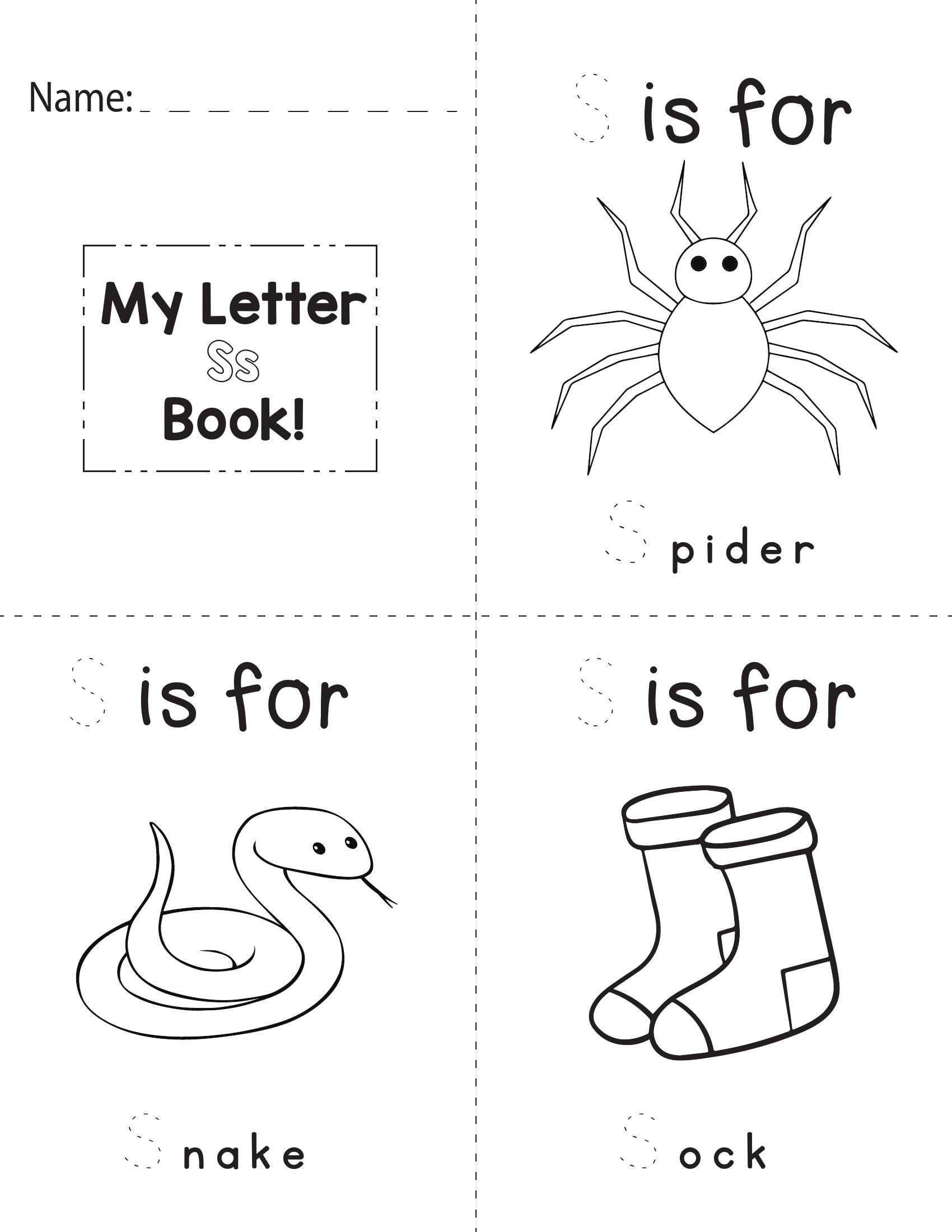
The S page includes spider, snake, and sock. These three examples introduce children to familiar words beginning with S. The pictures include animals alongside an everyday clothing item.
Ask your child to name each picture and listen for the shared beginning sound. Keep the activity playful by letting them choose which picture to discuss first.
T Is for Tea, Taxi, and Tomato
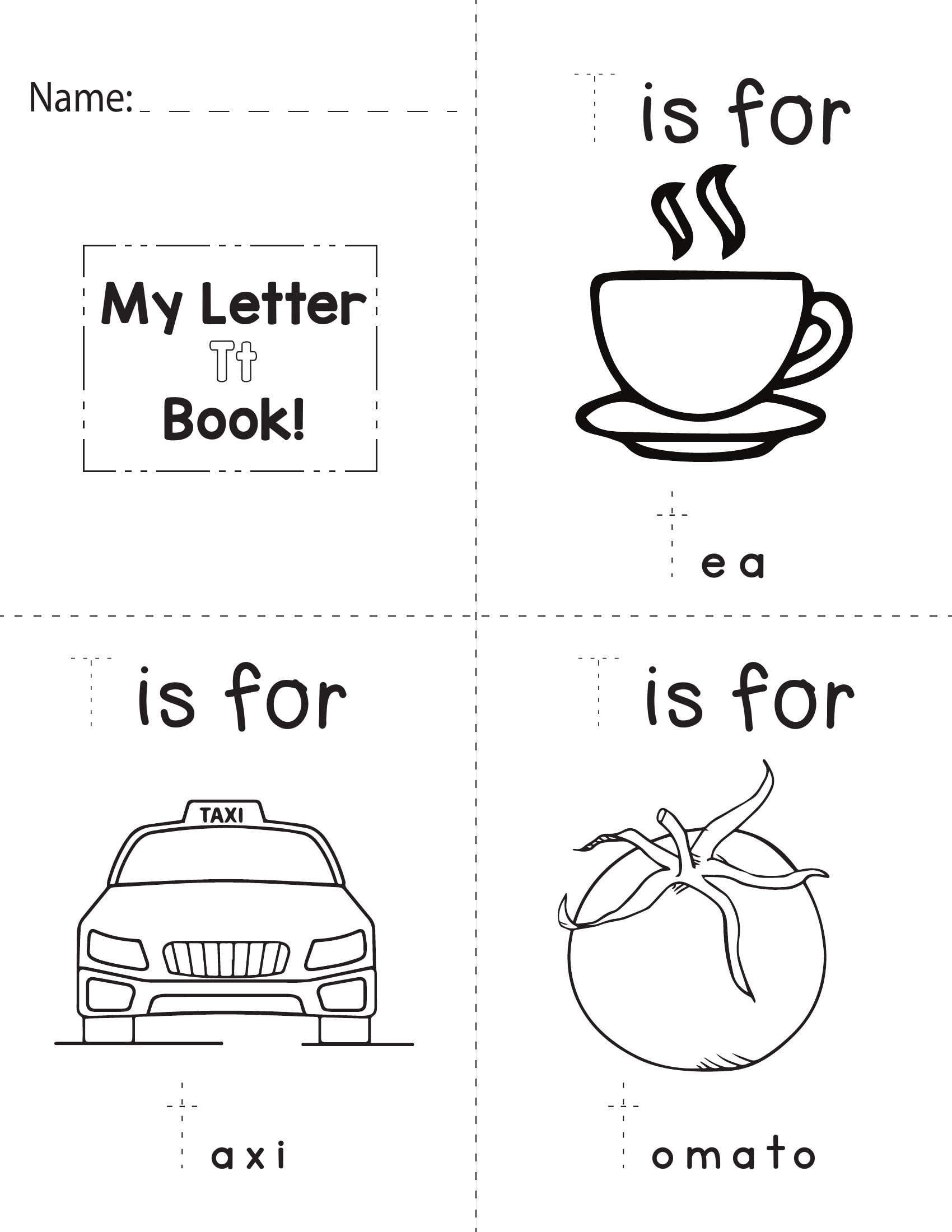
The T page introduces tea, taxi, and tomato. These examples help children associate the letter T with familiar words. Each picture also represents something different, giving you simple topics for conversation.
Ask your child to point to each image as you say its name. Then, encourage them to repeat all three words independently.
U Is for Umbrella, Unicorn, and Universe
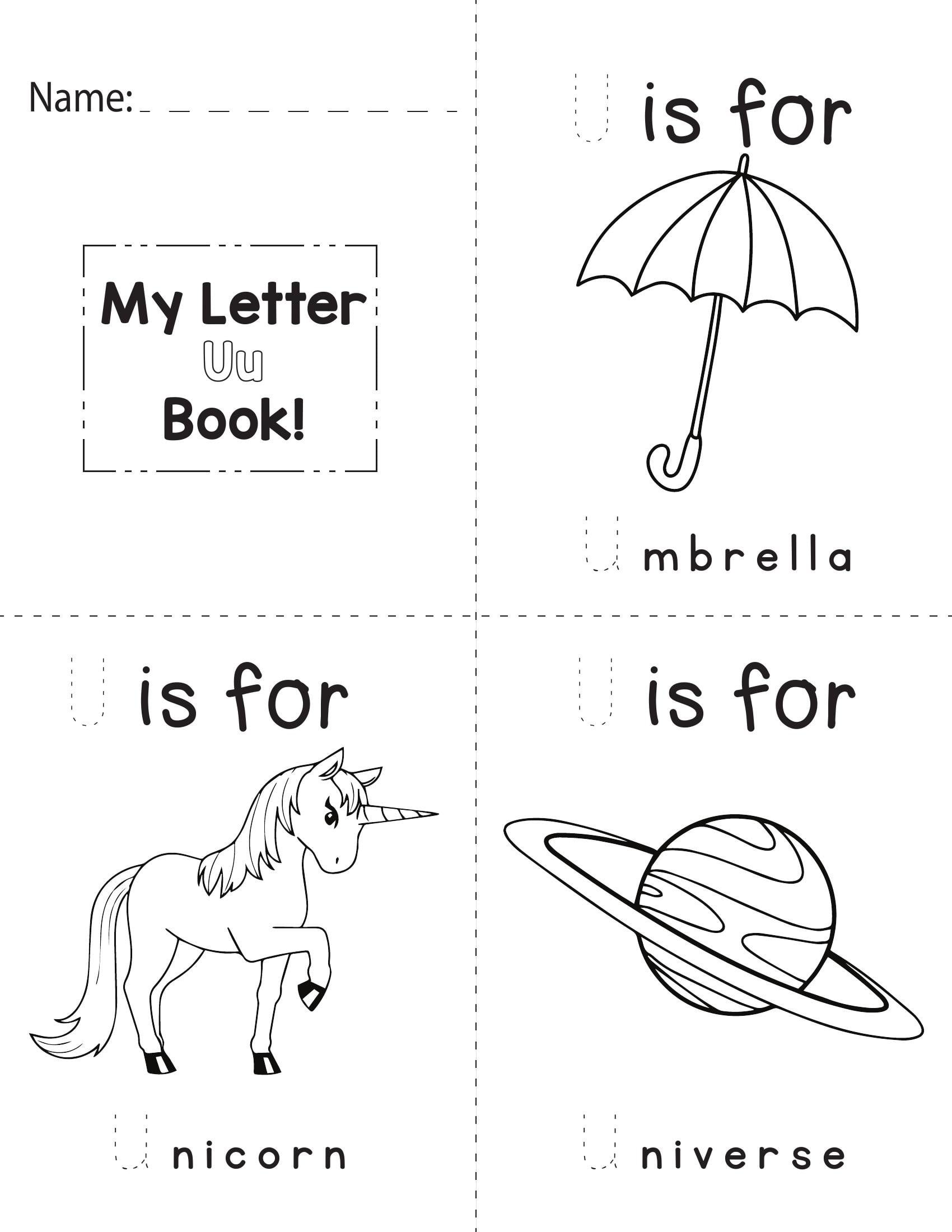
The U page features umbrella, unicorn, and universe. These examples give children a mixture of familiar and imaginative picture words.
The unicorn can make the page especially fun for children who enjoy fantasy themes. Ask your child to name each picture before reviewing the words together. You can also ask them which U picture they would like to talk about.
V Is for Violin, Vegetable, and Volcano
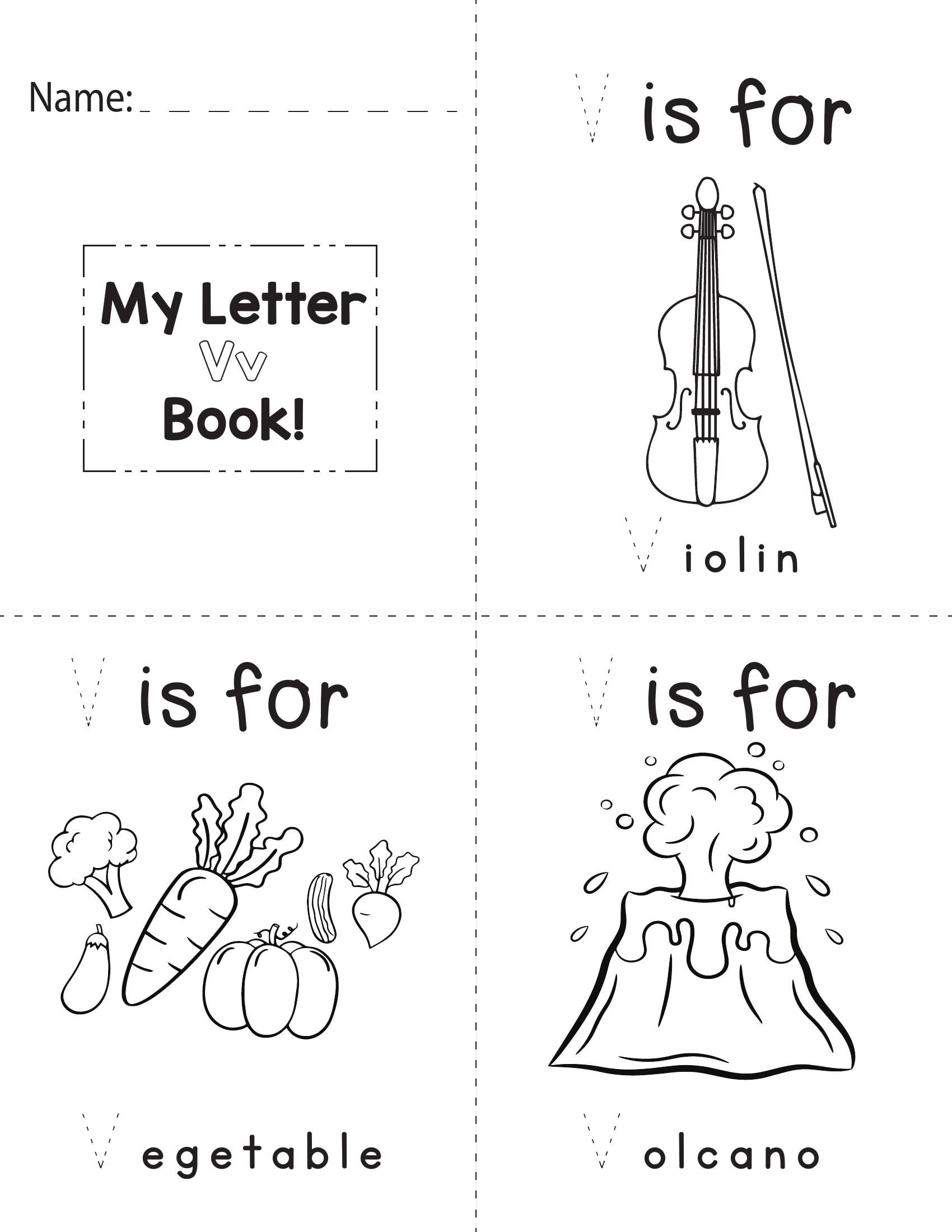
The V page includes violin, vegetable, and volcano. These three examples introduce children to different words connected with V. Each picture represents a different type of thing, which keeps the page varied.
Encourage your child to name the pictures and repeat each word. Afterward, ask them to point to the letter V on the page.
W Is for Watch, Wolf, and Wig
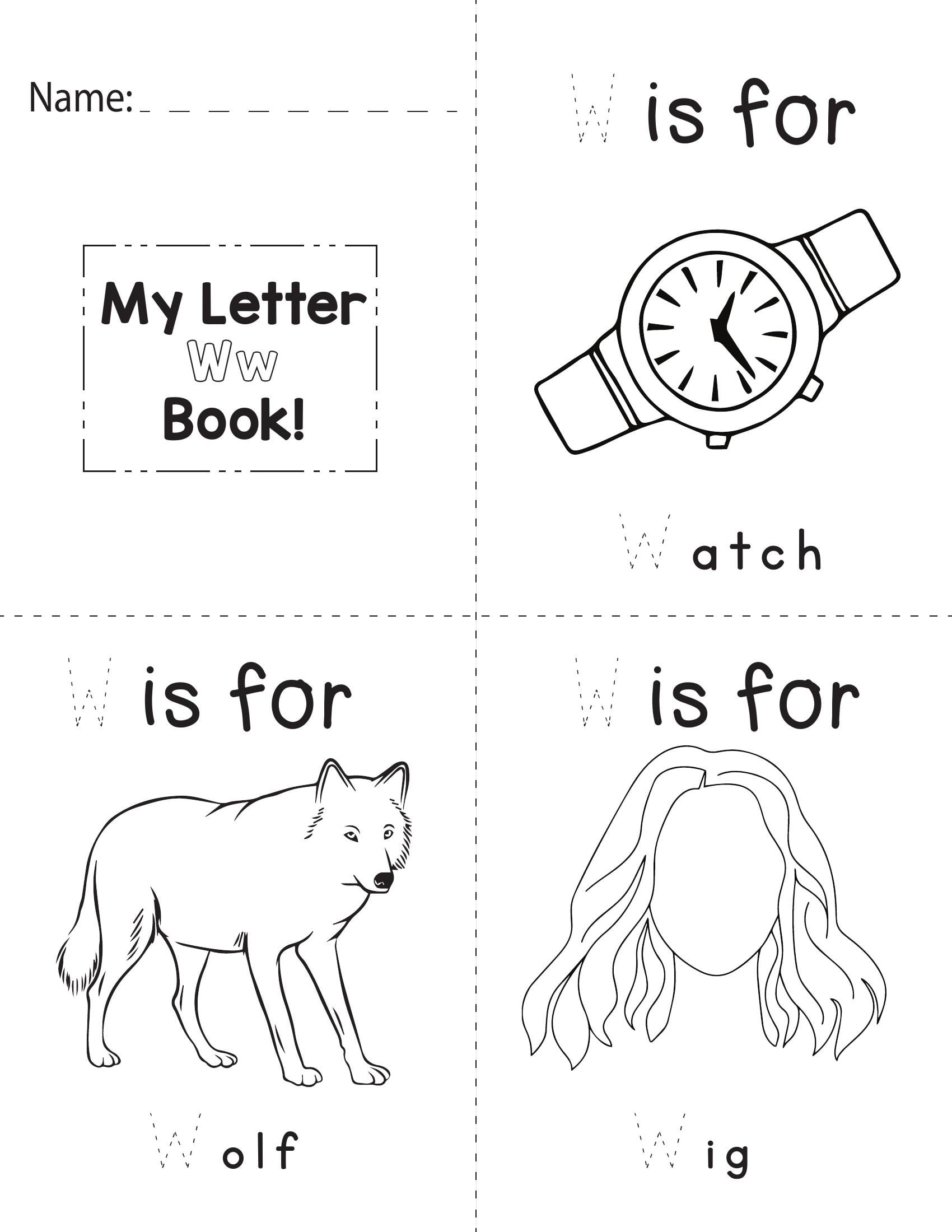
The W page introduces watch, wolf, and wig. These familiar examples give children three words to connect with the letter W.
The pictures can also prompt simple questions about animals and everyday objects. Let your child identify each picture before giving assistance. Then, read the words together and repeat them once more.
X Is for Xylophone, Box, and X-Ray
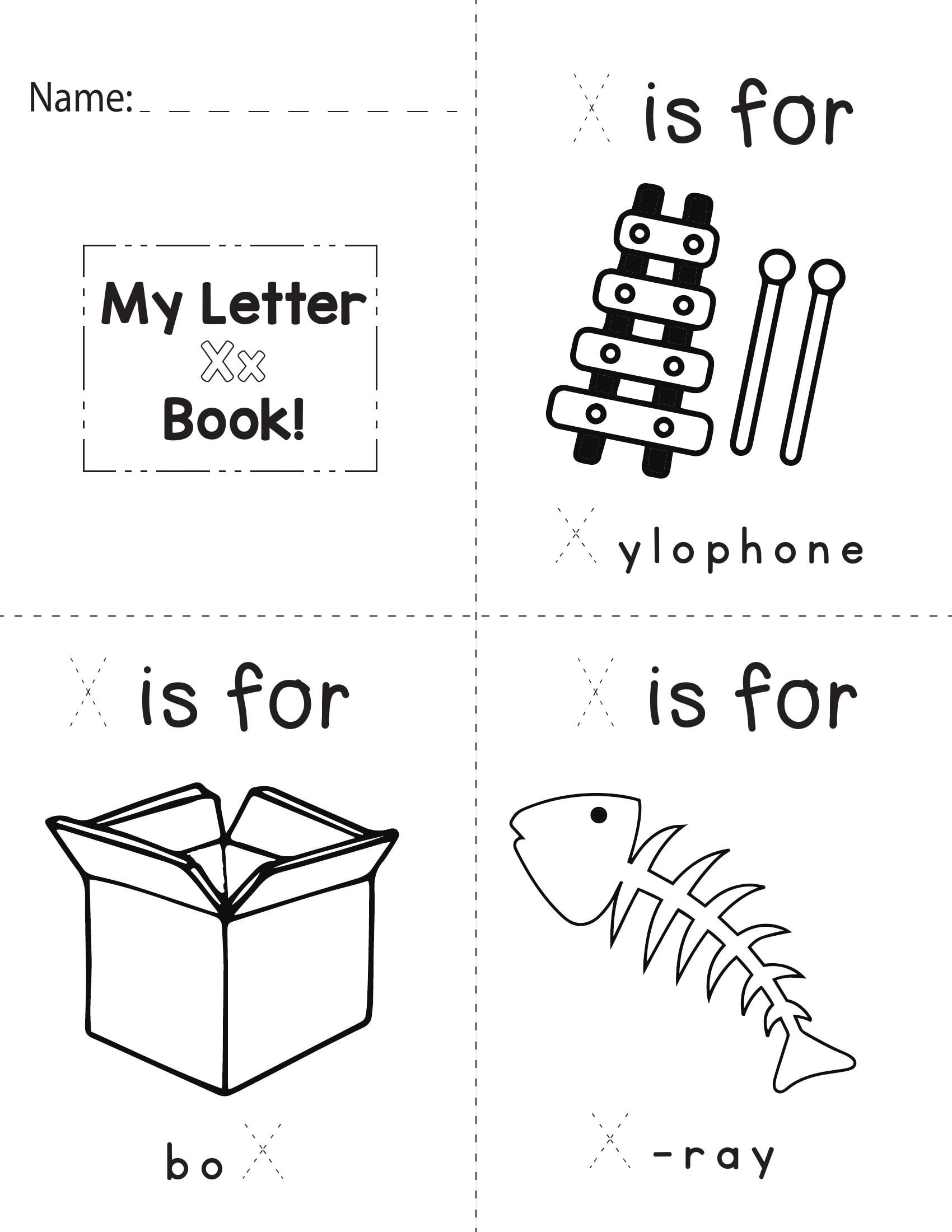
The X page features xylophone, box, and x-ray. These examples give children three picture connections for the letter X. This page can be useful for introducing words that children may not encounter as often.
Take time to say each word clearly and let your child repeat it. You can also talk briefly about what each picture represents.
Y Is for Yoga, Yacht, and Yo-Yo
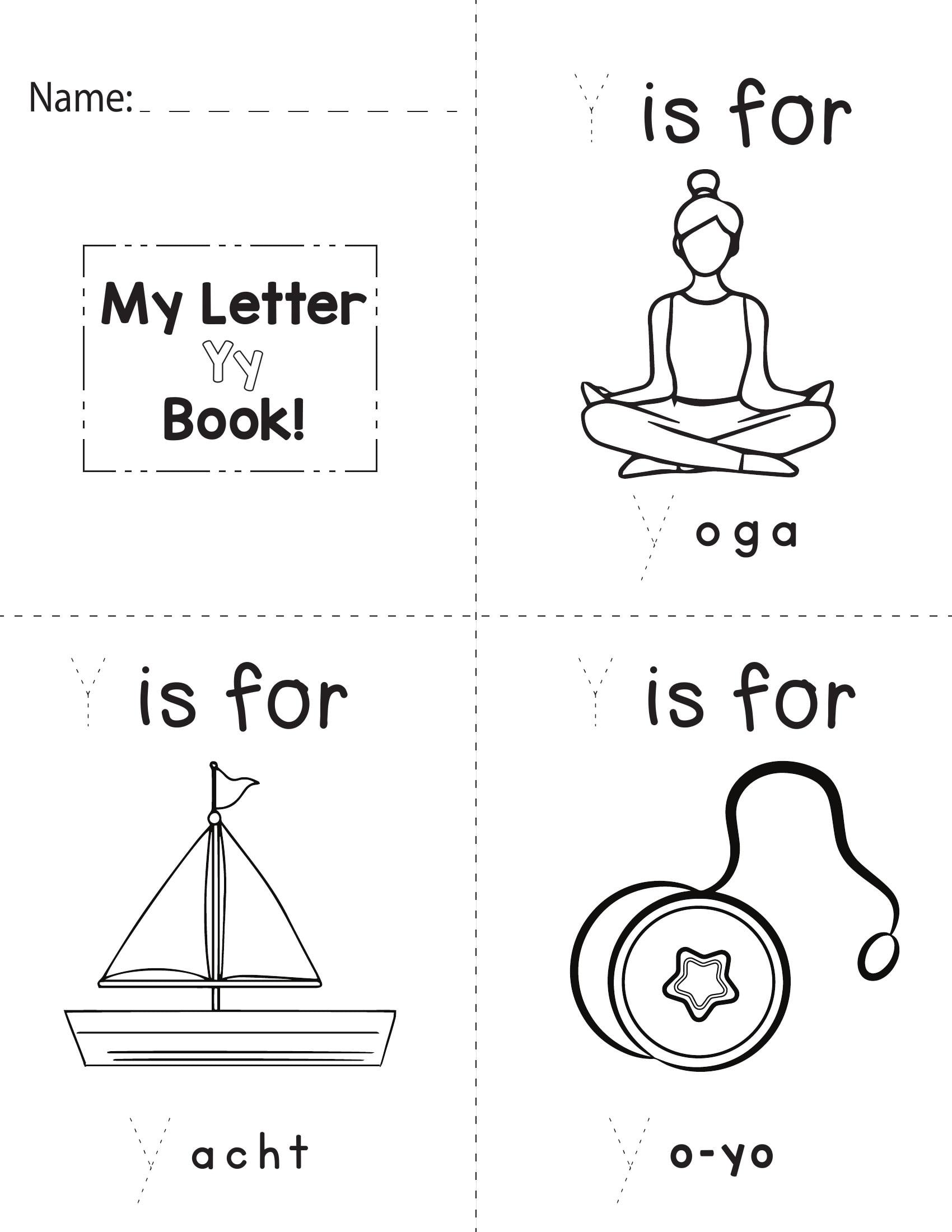
The Y page includes yoga, yacht, and yo-yo. These examples give children several interesting words connected with Y. The pictures can make the page feel more playful and encourage conversation.
Ask your child to name each picture before reviewing the words. Then, let them choose one picture to describe in their own words.
Z Is for Zero, Zebra, and Zoo
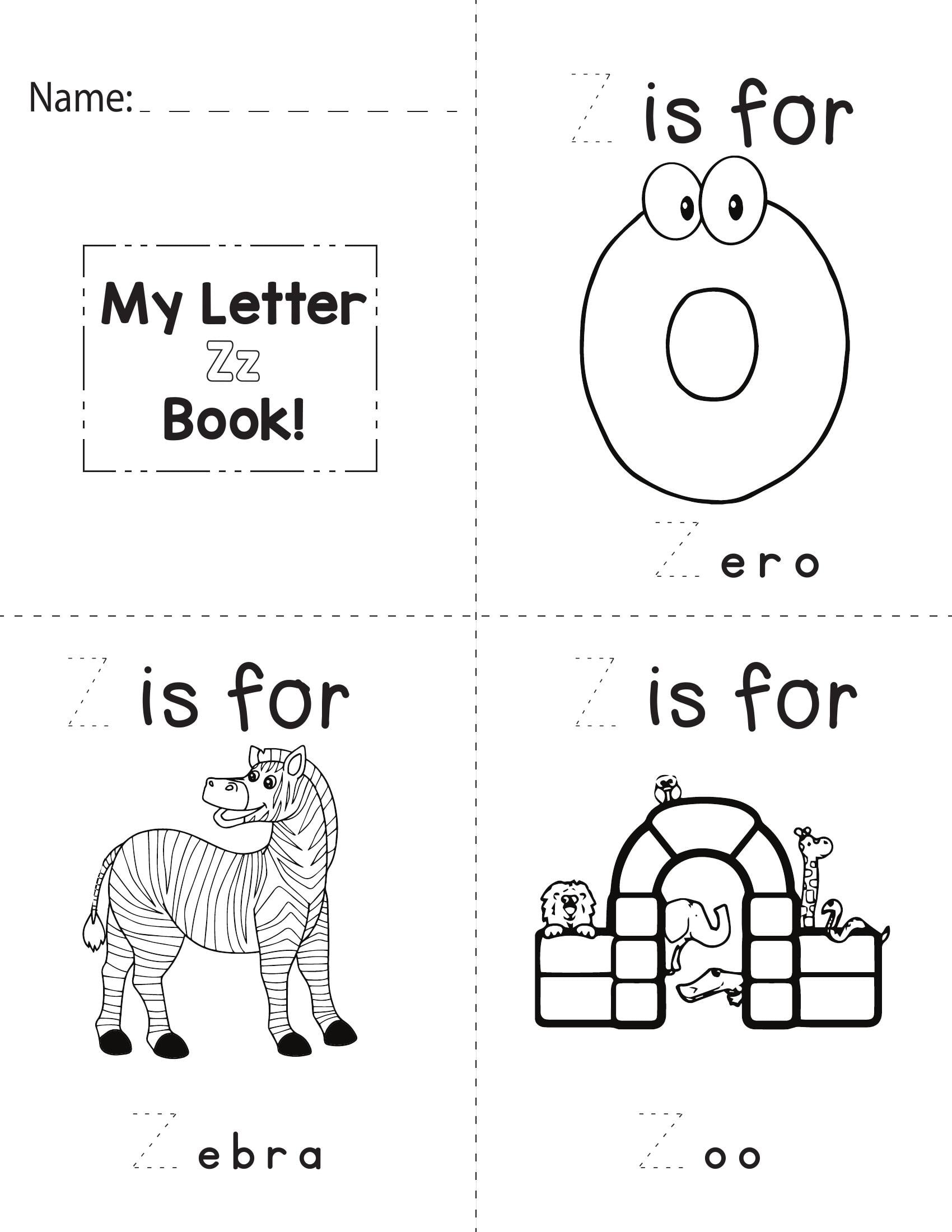
The final page completes the alphabet with zero, zebra, and zoo. These three examples give children familiar picture words for the letter Z.
Reaching this page also gives them a chance to see how far they have progressed through the book.
Ask your child to name all three pictures before celebrating the completed alphabet. You can then return to earlier pages and review a few favorite letters together.
Final Thoughts
These My Letter Book Worksheets provide a simple way to explore the alphabet one letter at a time. Each page introduces a letter alongside three picture-word examples.
That structure gives children plenty of opportunities to look, listen, speak, and recognize familiar words.
You can use the pages during short learning sessions or include them in a larger alphabet routine.
Let your child point to pictures, name objects, and repeat words at their own pace. Small activities like these can make learning feel more relaxed and enjoyable.
Once your child finishes the full collection, keep the completed pages together as their own alphabet book.
They can look through it again and revisit letters they find challenging. Most importantly, make the experience positive, simple, and encouraging from the first page to the last.