
Easy Alphabet Worksheets for Tracing, Recognition, and Coloring
Disclosure: Some of the links in this post are affiliate links. This means if you click on the link and purchase an item, I will receive an affiliate commission at no extra cost to you.
Learning the alphabet takes time, repetition, and plenty of encouragement. Children need chances to see letters, recognize their shapes, and practice forming them correctly.
They also benefit from activities that make each learning session feel interesting rather than repetitive. A well-organized worksheet can bring these small steps together in one simple activity.
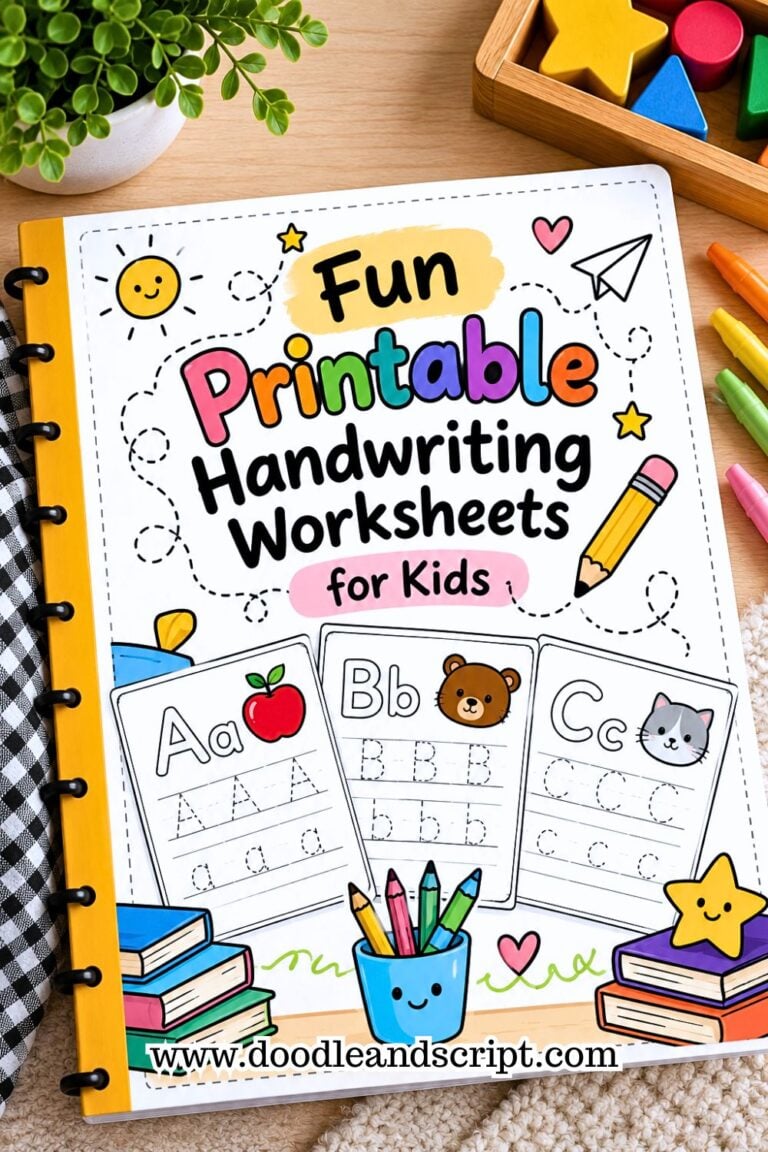
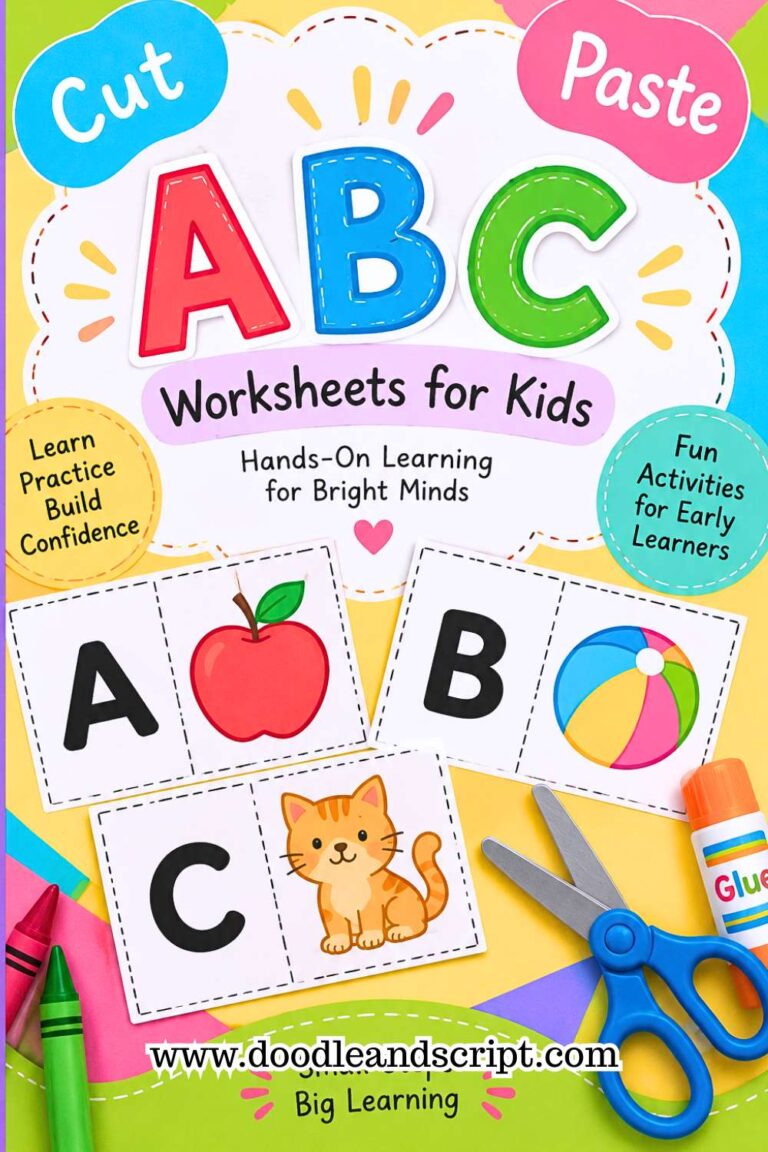
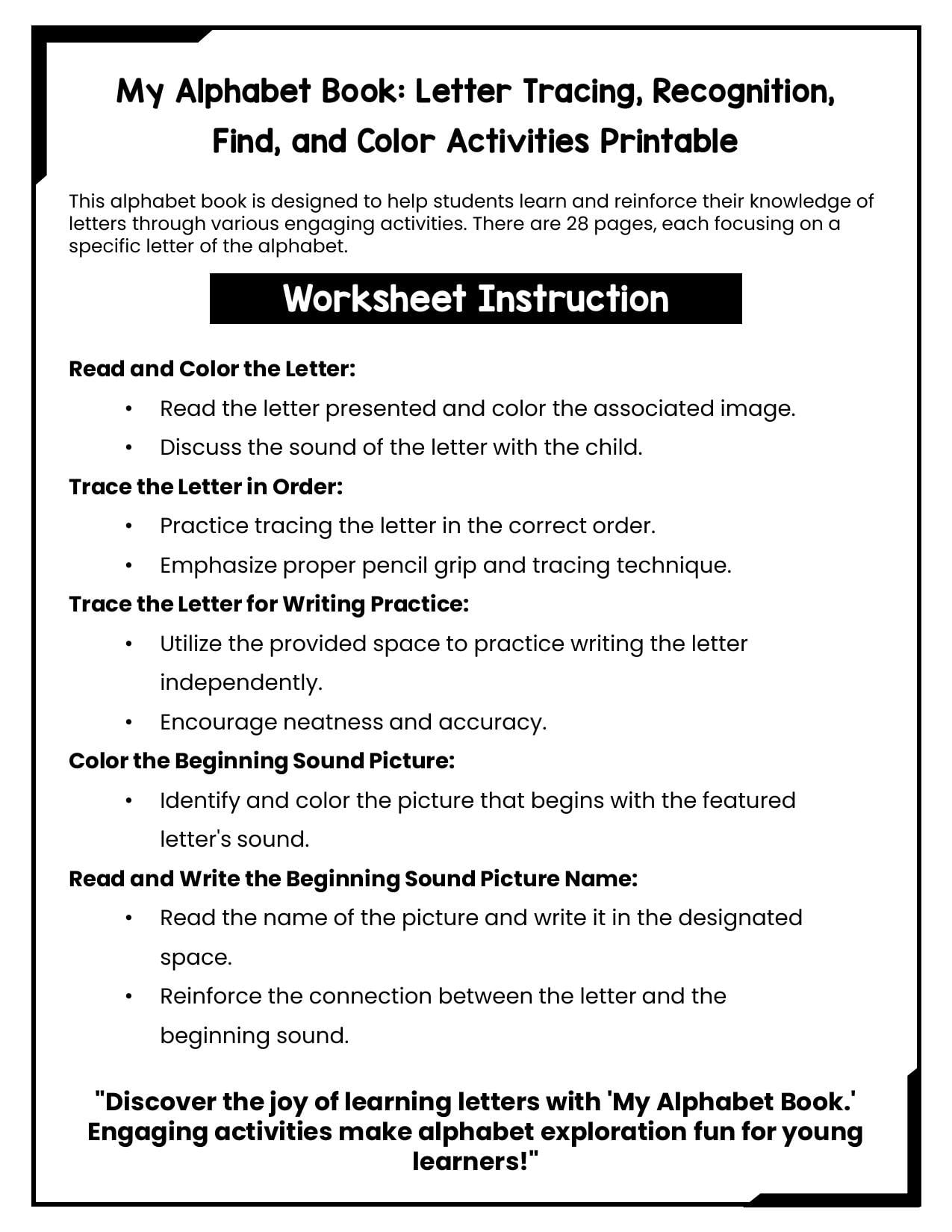
These Easy Alphabet Worksheets give children several ways to practice each featured letter. They can read the letter, trace it in the correct order, and use the provided space for independent writing.
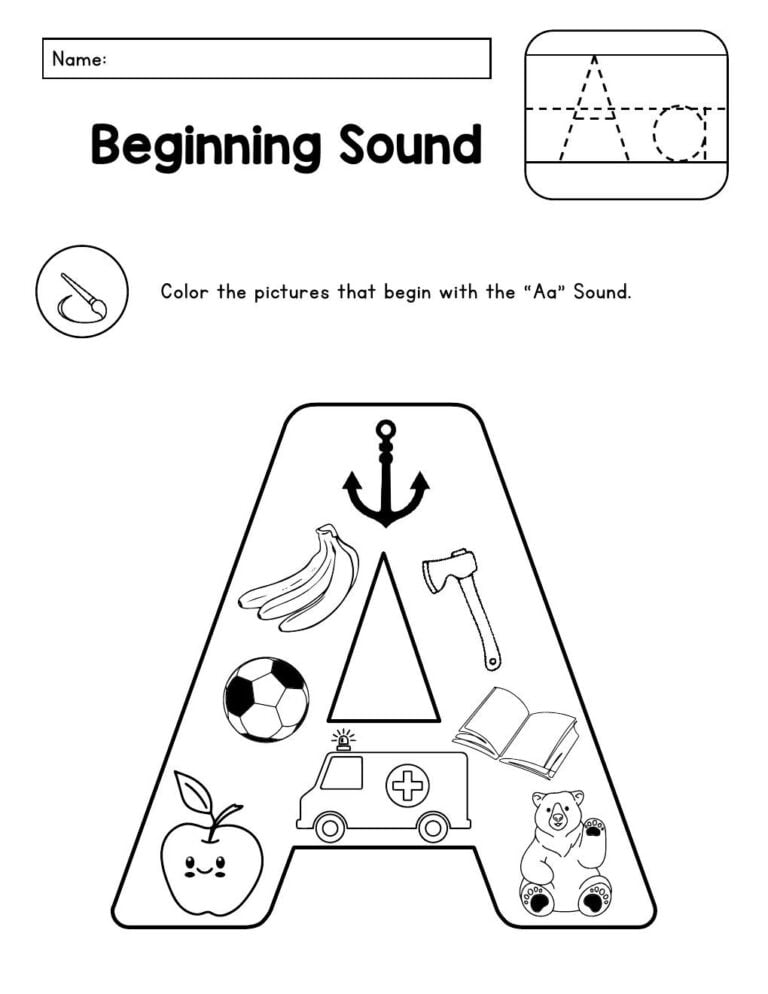
Each page also includes a coloring activity and a beginning-sound picture task, helping children connect letters with familiar words.
The printable contains 28 pages focused on alphabet learning and practice. You can use the pages during preschool lessons, homeschool activities, tutoring sessions, or relaxed practice at home.
Start with one letter and give your child enough time to complete each activity without pressure.
As they work through the pages, they can gradually build familiarity with letter shapes, writing movements, and beginning sounds.
Easy Alphabet Worksheets for Tracing, Recognition, and Coloring
Letter A Worksheet
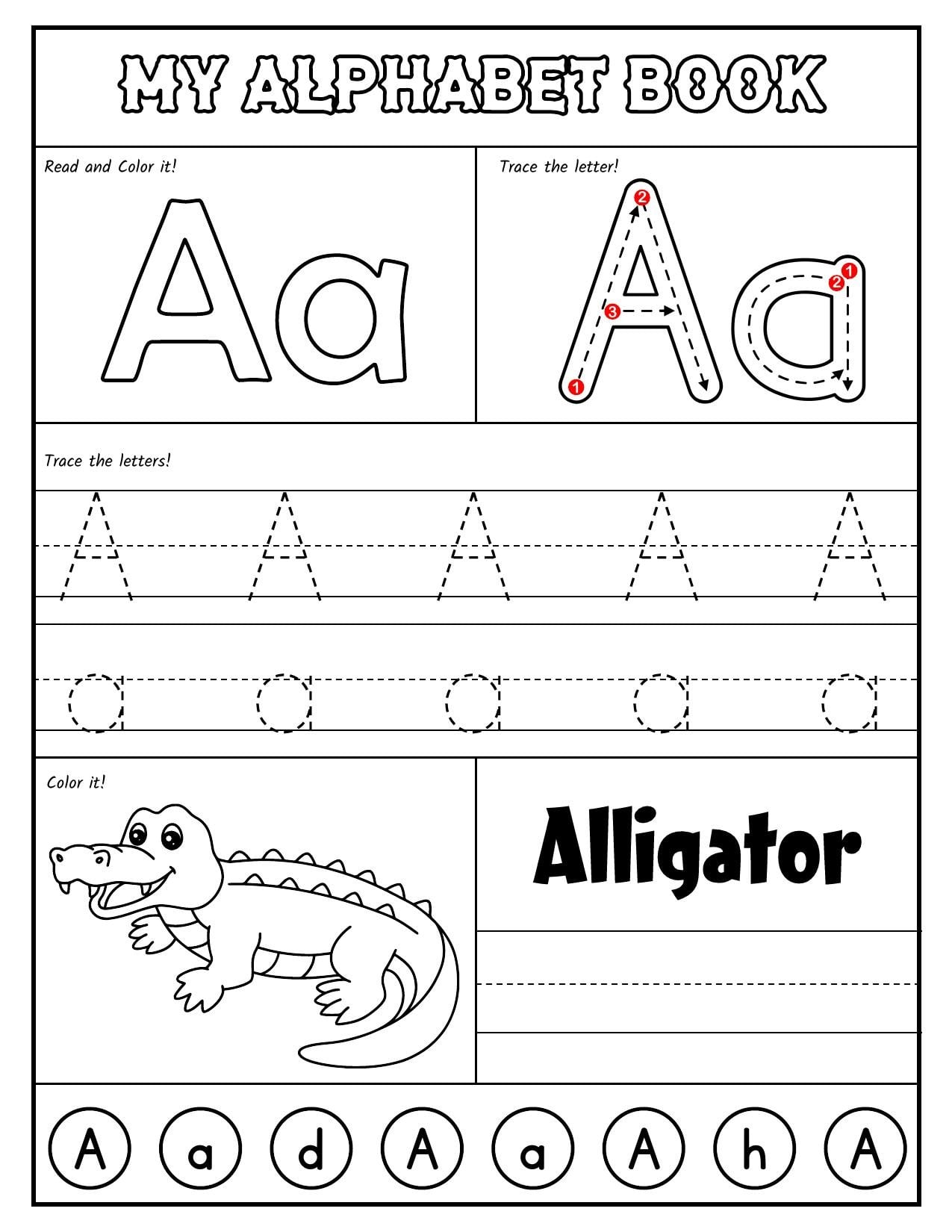
The A worksheet introduces children to both uppercase A and lowercase a. They begin by recognizing the letters before moving into guided tracing practice.
Numbered directions help children follow the correct order as they trace each letter. The page also provides space for writing practice and a picture to read and color.
This gives children several opportunities to focus on the same letter. Encourage your child to say A aloud before beginning each activity.
Letter B Worksheet
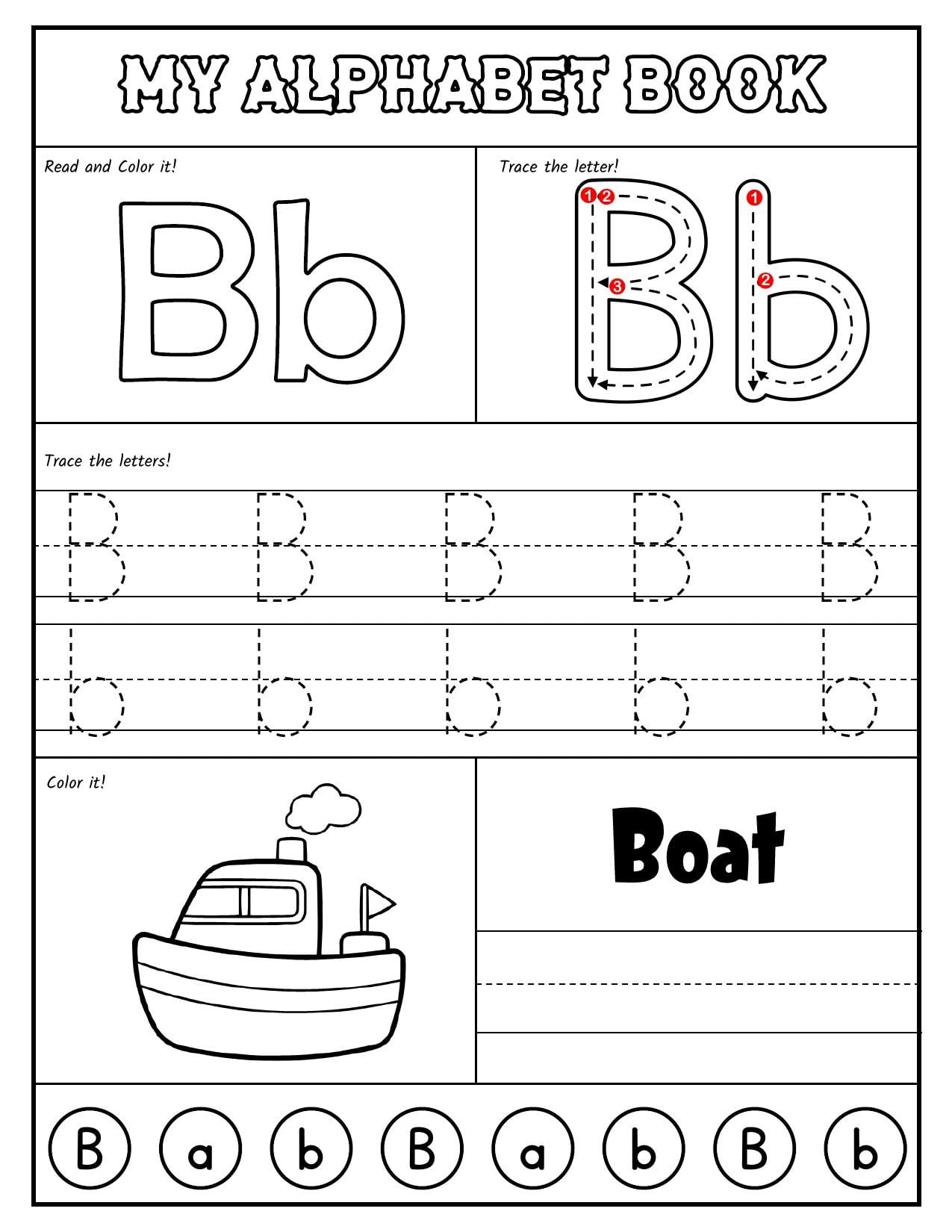
The B worksheet focuses on uppercase B and lowercase b. Children first look at the letter forms before practicing them with the tracing guides.
The numbered directions help them follow the intended tracing order. They can then use the additional space to practice writing B and b independently.
The coloring activity adds a creative element to the page. Let your child complete the writing practice before moving on to coloring.
Letter C Worksheet
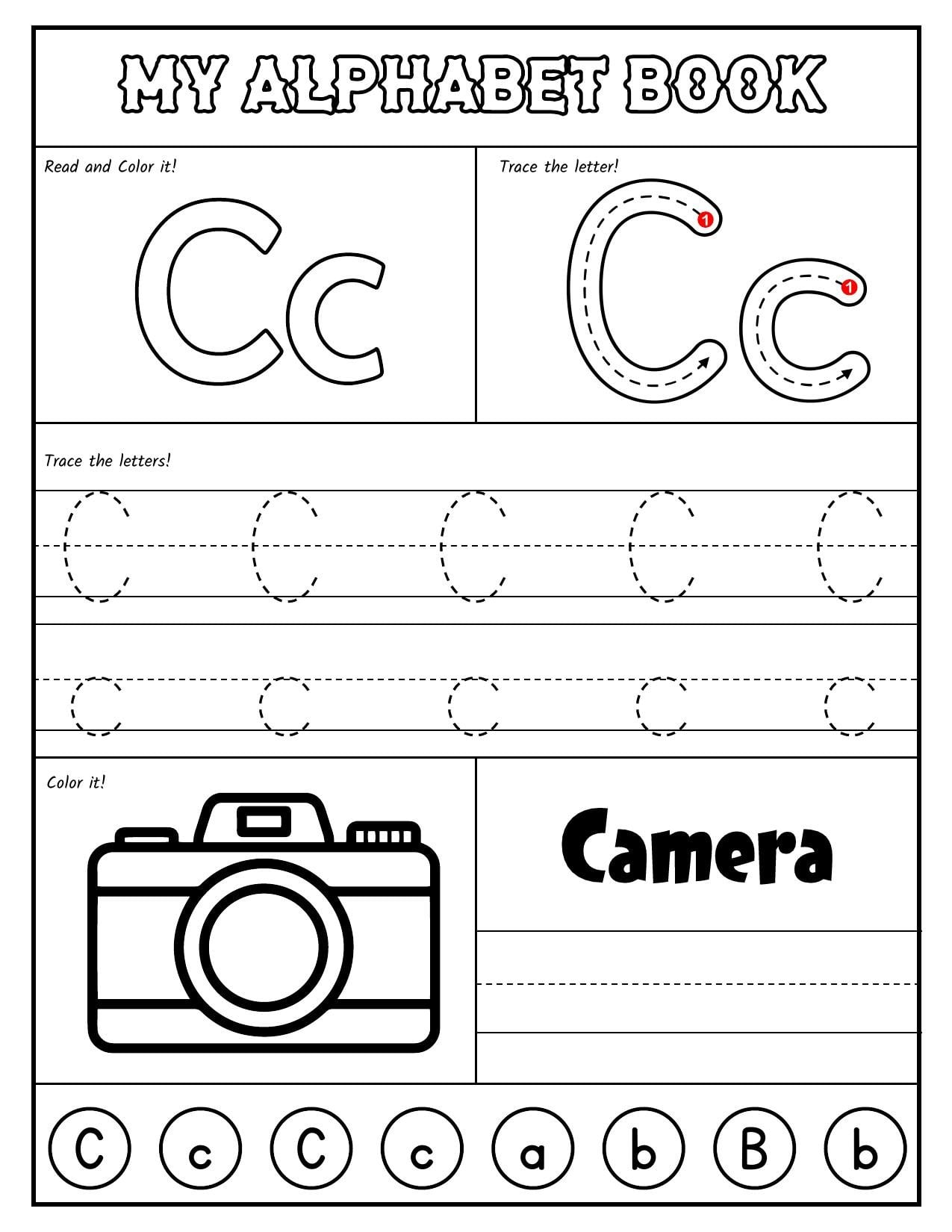
The C worksheet helps children practice recognizing uppercase C and lowercase c. They can follow the tracing guides to become more familiar with the letter shapes.
After guided practice, the worksheet provides space for writing the letters again. A related picture also gives children an opportunity to read and color.
The rounded shape of C makes pencil control an important part of this activity. Encourage slow and steady movements rather than rushing through the page.
Letter D Worksheet
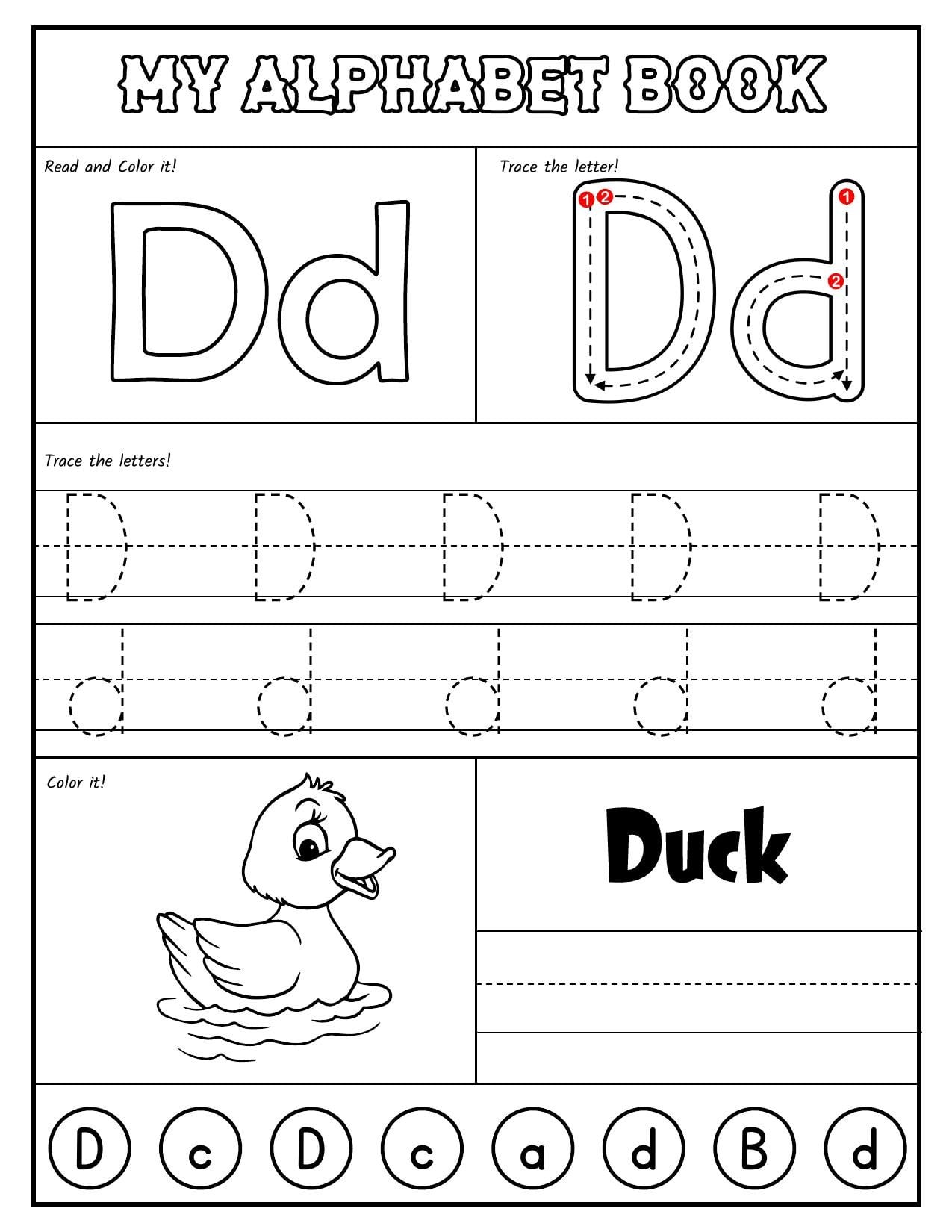
The D worksheet introduces uppercase D and lowercase d through several activities. Children can trace each letter by following the numbered guides.
They then have room to practice the letter forms independently. The page also includes a picture that children can identify and color.
Using the same letter across different activities gives children repeated exposure. Ask your child to name the letter before they start tracing.
Extra Letter D Worksheet
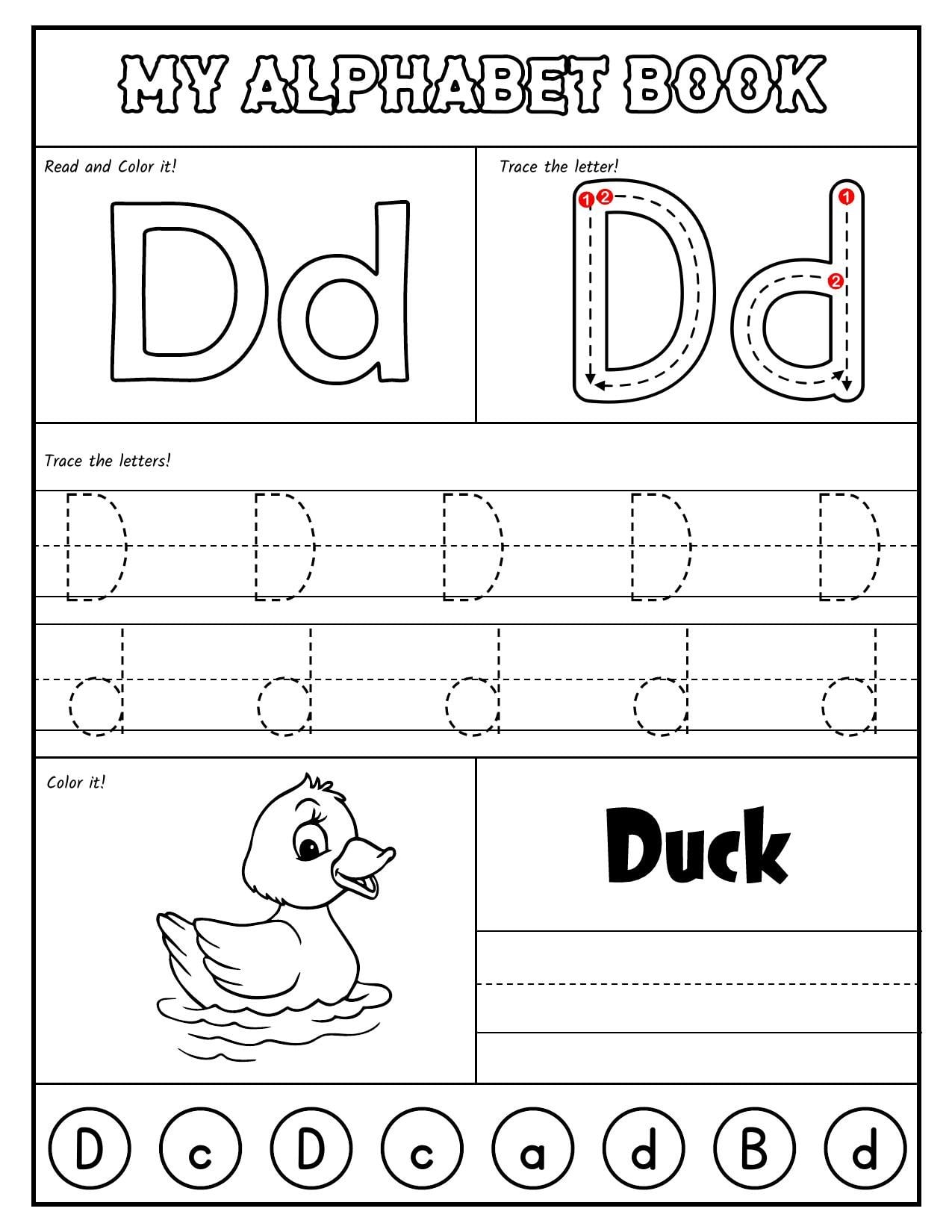
The printable includes another D worksheet for additional letter practice. Children can repeat the tracing activity and work on writing the letter again.
The page also includes the read-and-color activity found throughout the printable.
This extra page can be helpful when a child needs more time with D. You can save it for another learning session instead of using both pages together.
Letter E Worksheet
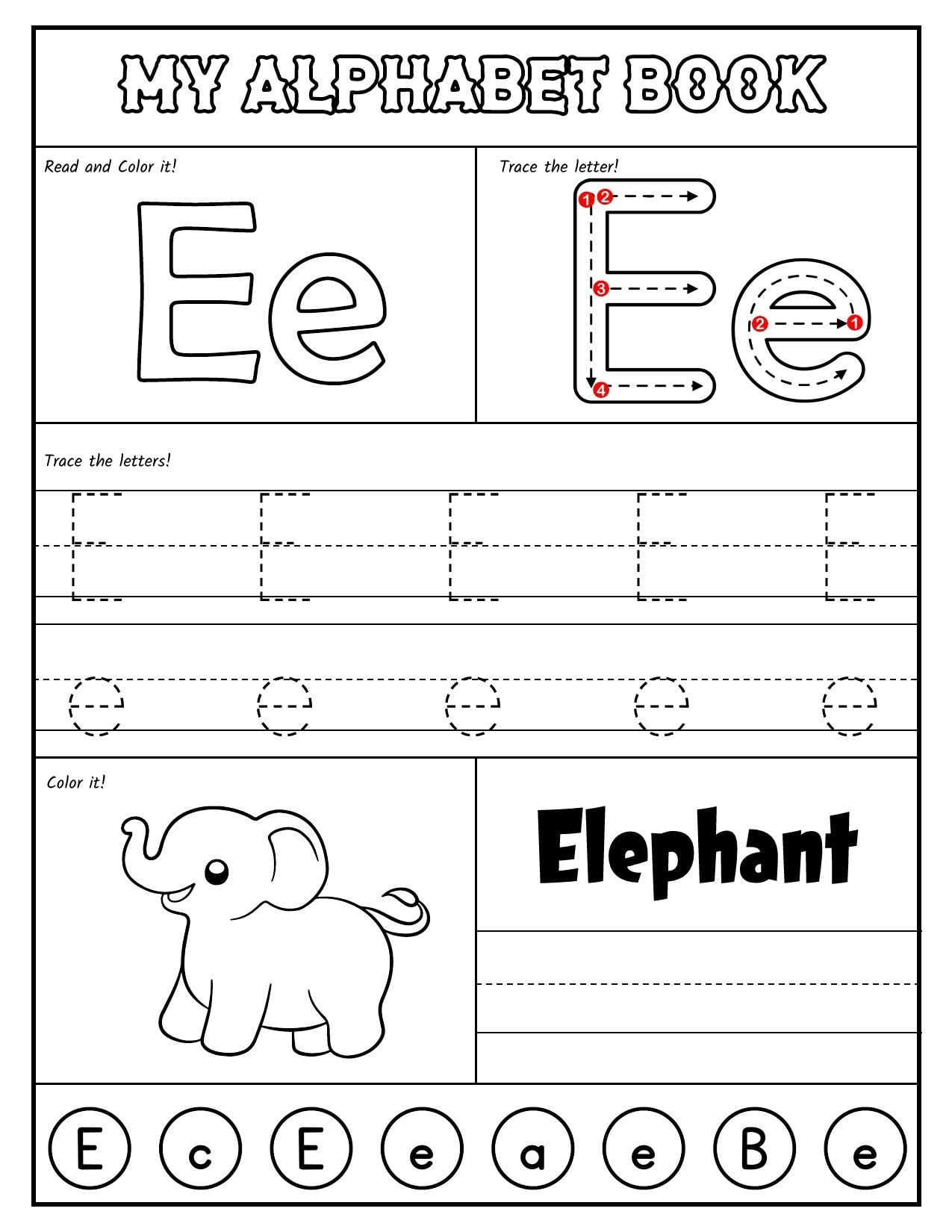
The E worksheet introduces uppercase E and lowercase e. Children follow the numbered tracing directions to practice forming each letter.
They can then continue with independent writing using the provided space. The page also includes a picture that children can read and color.
This combination keeps children practicing the same letter in different ways. Encourage your child to identify E and e before starting the tracing activity.
Letter F Worksheet
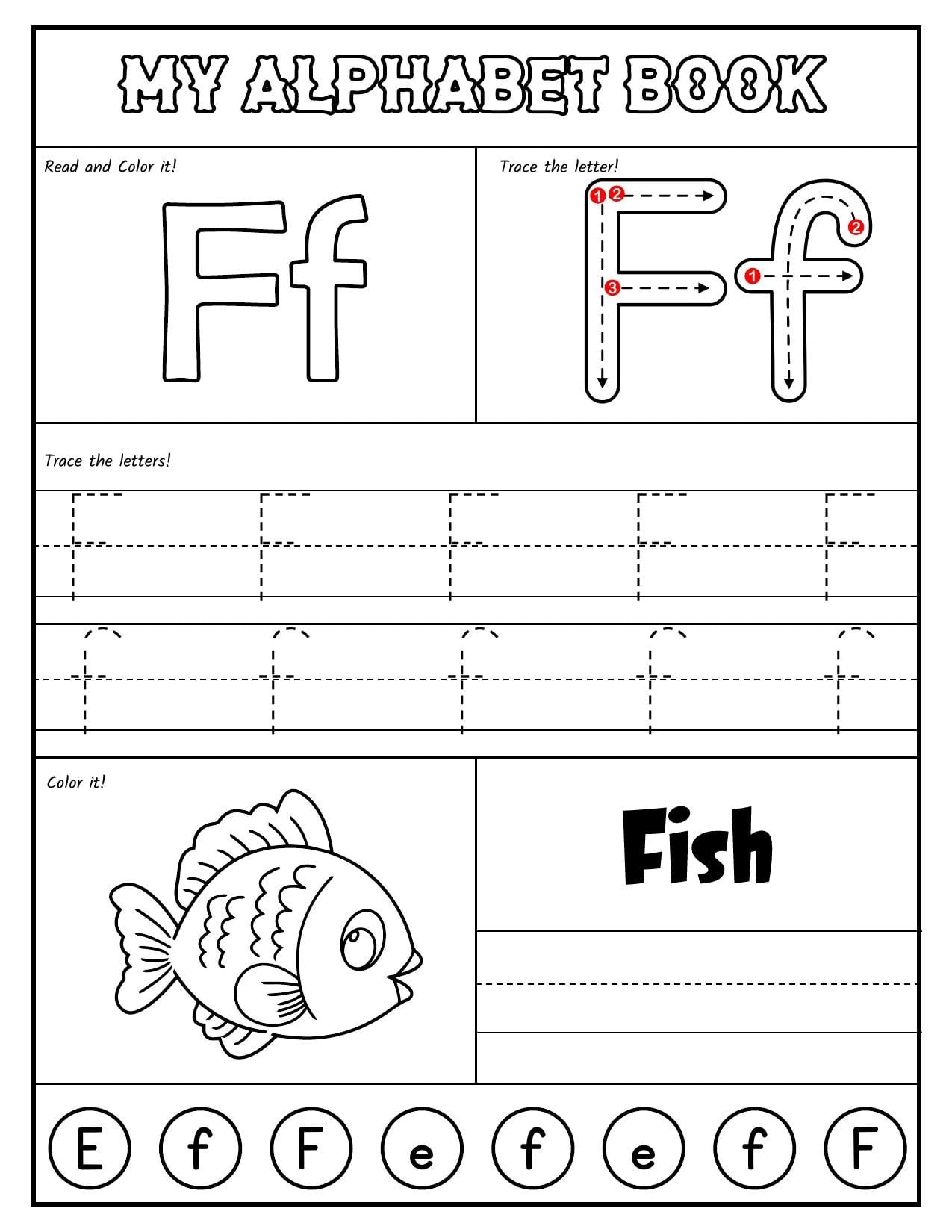
The F worksheet gives children practice with uppercase F and lowercase f. They begin with guided tracing before moving into the writing section.
The additional writing space lets them practice the letter without relying on the tracing guides. A related picture provides a fun coloring activity to complete the page.
You can also talk about the picture before your child colors it. Keep the activity relaxed so they can focus on forming each letter carefully.
Letter G Worksheet
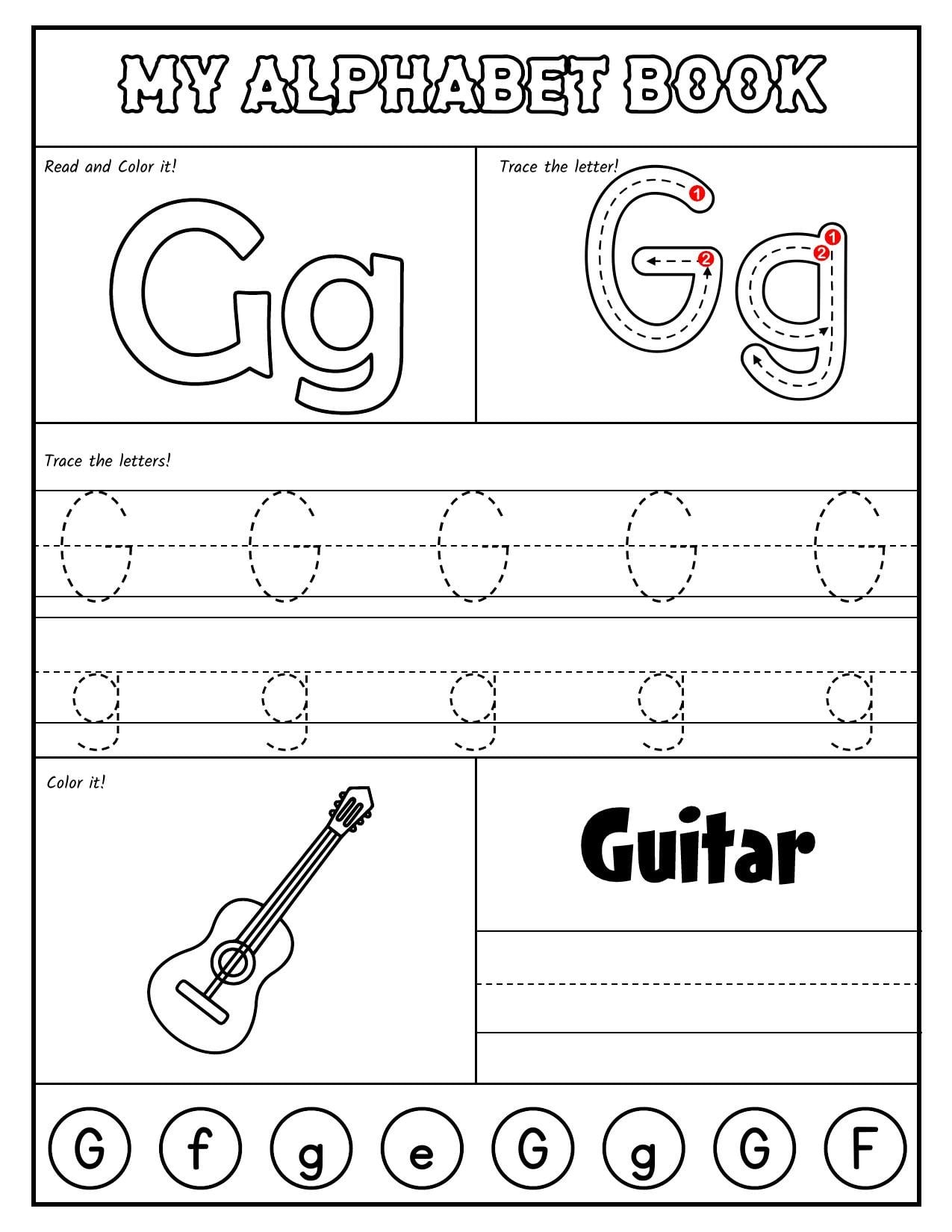
The G worksheet focuses on uppercase G and lowercase g. Children trace both forms while following the numbered directions.
They then practice writing the letters again using the available space. The page also includes a picture for the read-and-color activity.
This gives children a natural progression from guided work to independent practice. Ask your child to point to G and g before beginning.
Letter H Worksheet
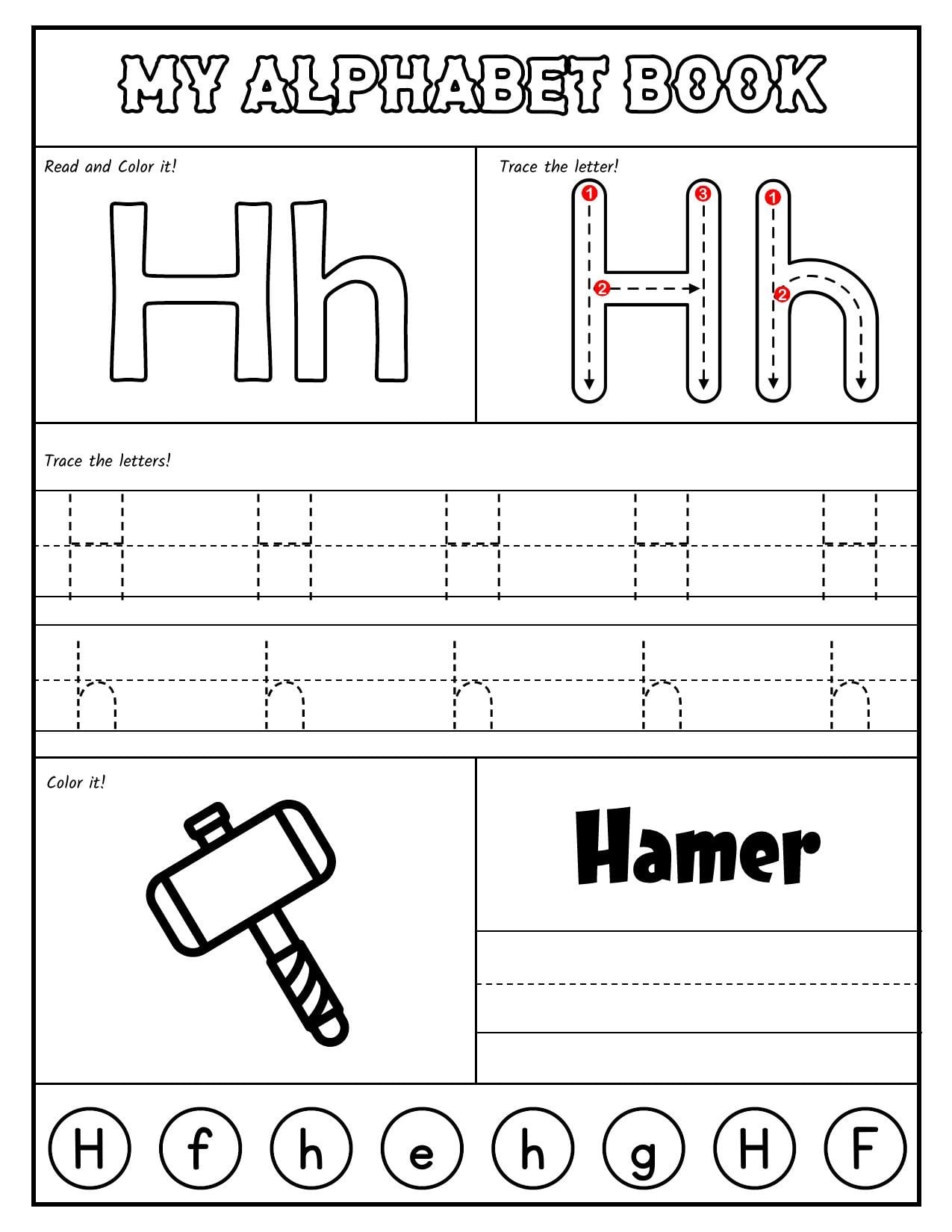
The H worksheet introduces uppercase H and lowercase h. Children use the tracing section to practice the correct formation of both letters.
They then move to the writing area for additional practice. A picture activity gives them another way to interact with the featured letter.
The straight lines in H give children useful practice with controlled pencil movements. Remind them to follow the tracing directions carefully.
Letter I Worksheet
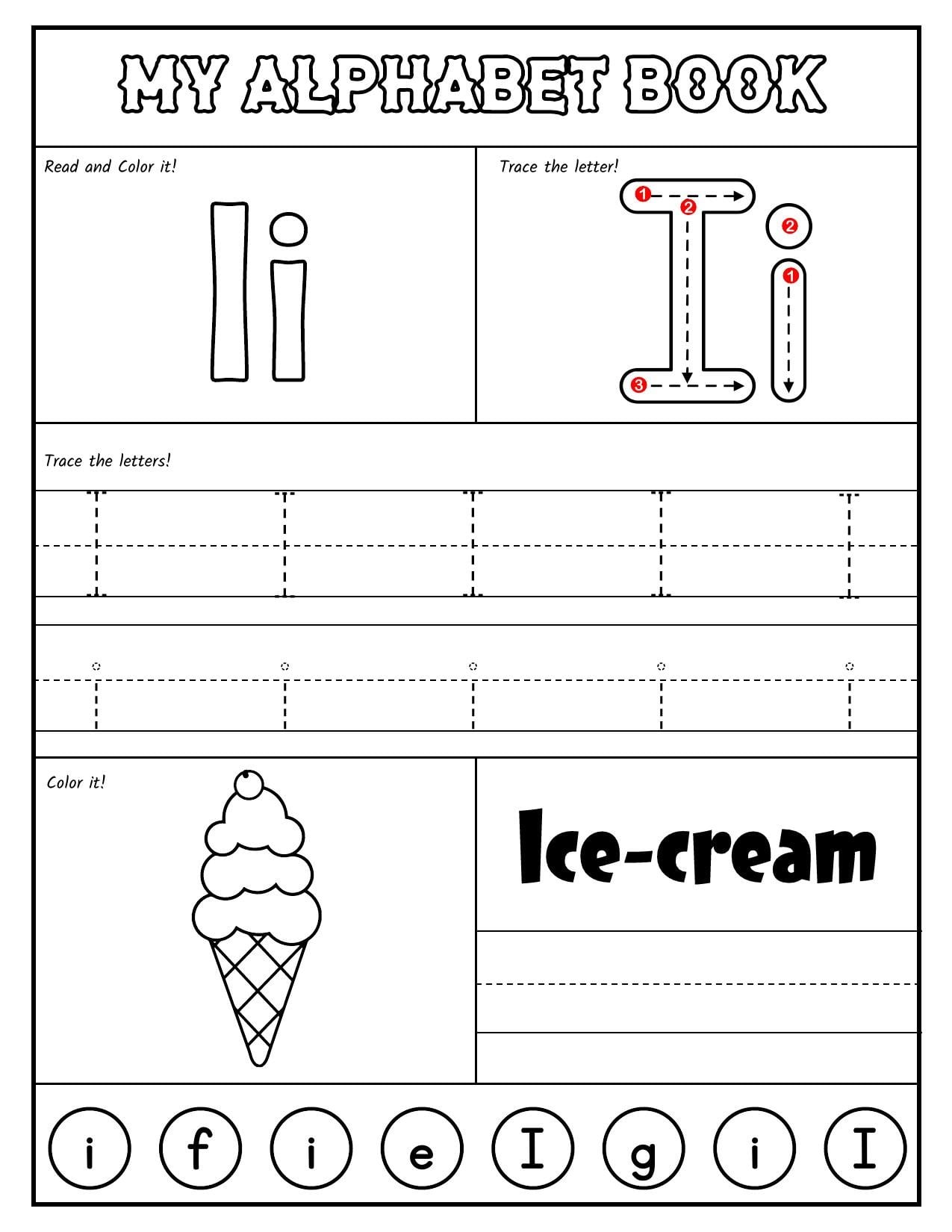
The I worksheet features uppercase I and lowercase i. Children start by tracing the letter forms using the provided guides.
They then practice writing I and i independently in the available space. The page also includes a picture that children can read and color.
A short conversation about the picture can make the activity more engaging. Let your child finish each section before moving to the next one.
Letter J Worksheet
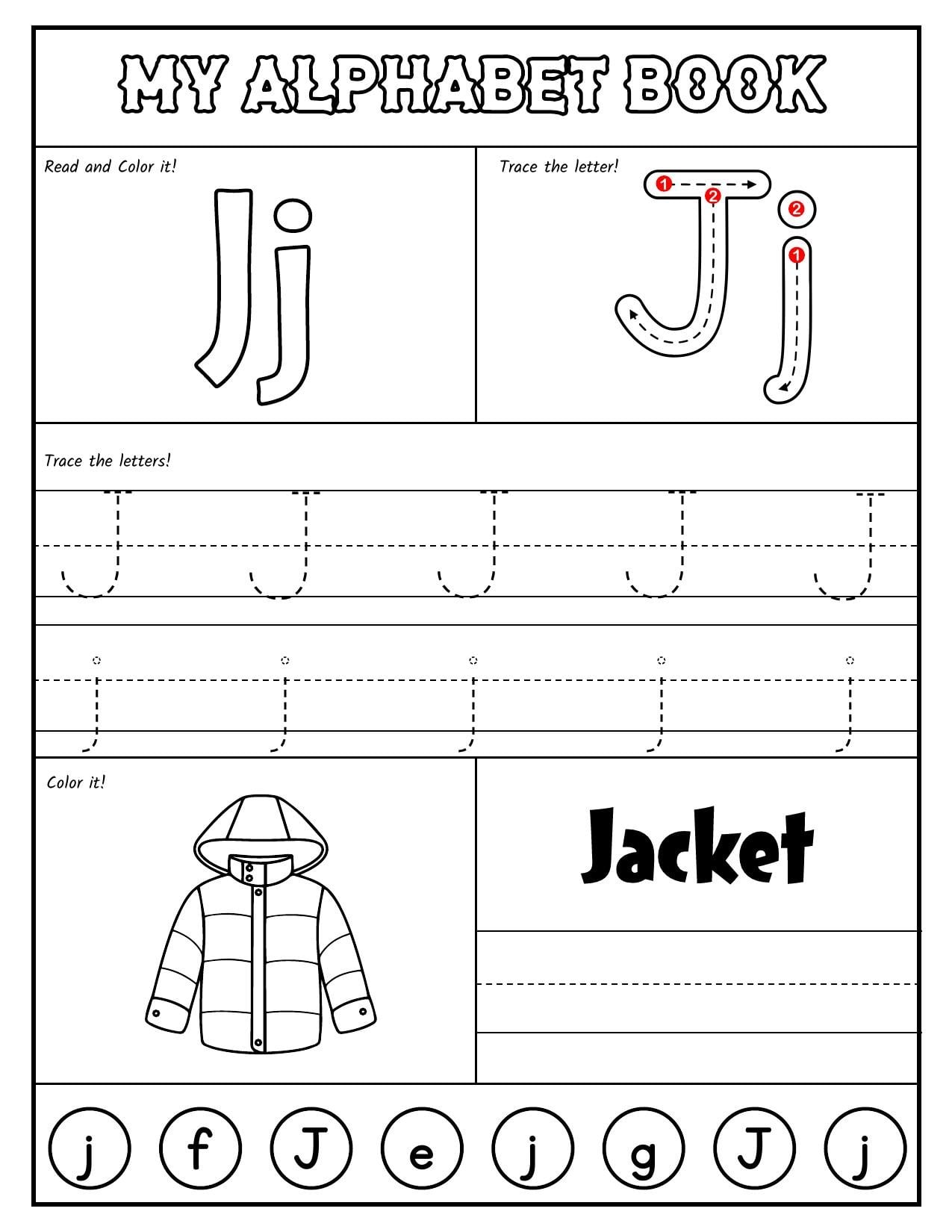
The J worksheet introduces uppercase J and lowercase j. Children practice both forms through guided tracing.
The writing section gives them another chance to form the letters without the larger guides. They can then finish the page with the included read-and-color activity.
This structure keeps the practice varied while staying focused on one letter. Encourage your child to trace each part slowly.
Letter K Worksheet
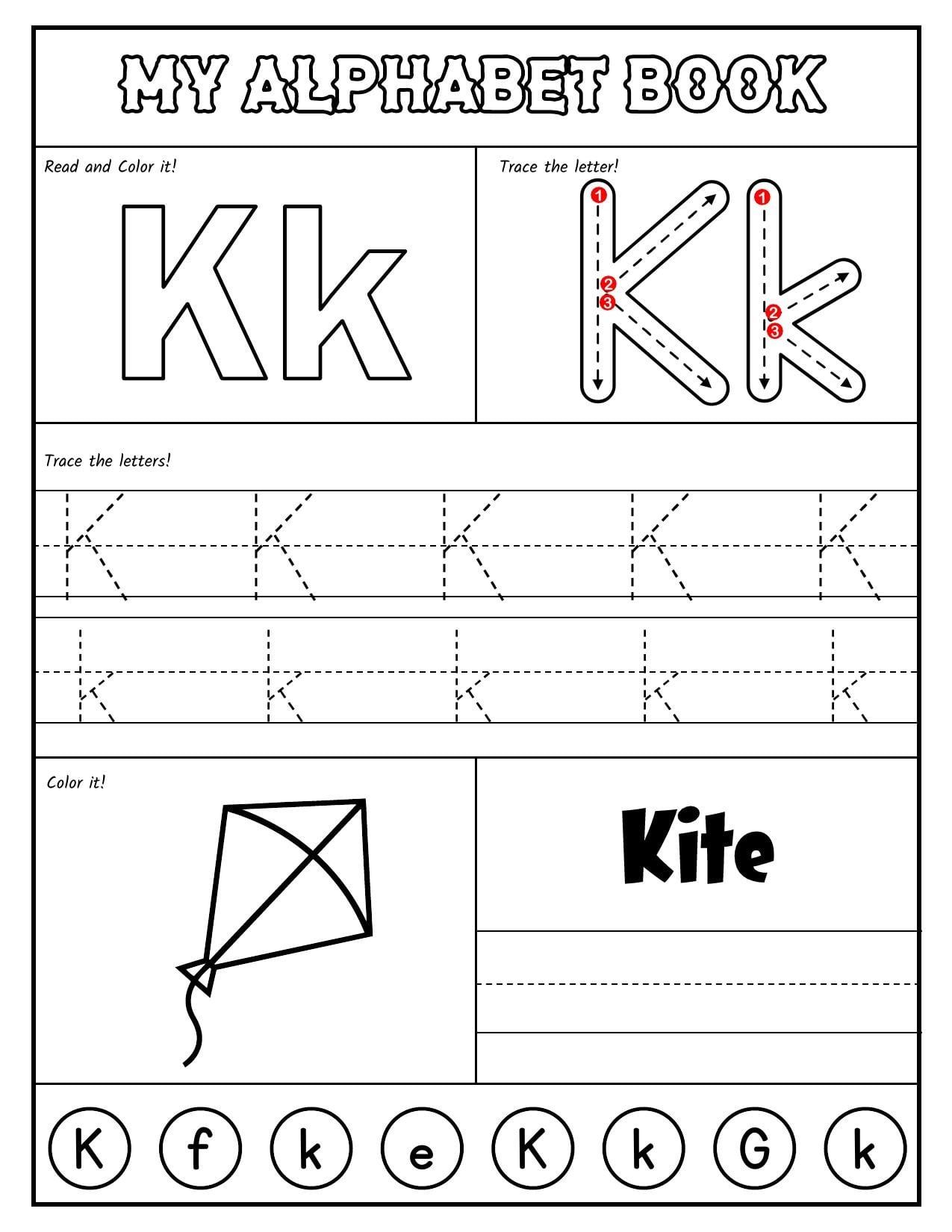
The K worksheet focuses on uppercase K and lowercase k. Children follow the numbered tracing directions for both letter forms.
They then use the writing area for extra independent practice. A related picture provides a coloring activity at the end.
The angled lines in K can give children useful pencil control practice. Let them complete the tracing before moving on to coloring.
Letter L Worksheet
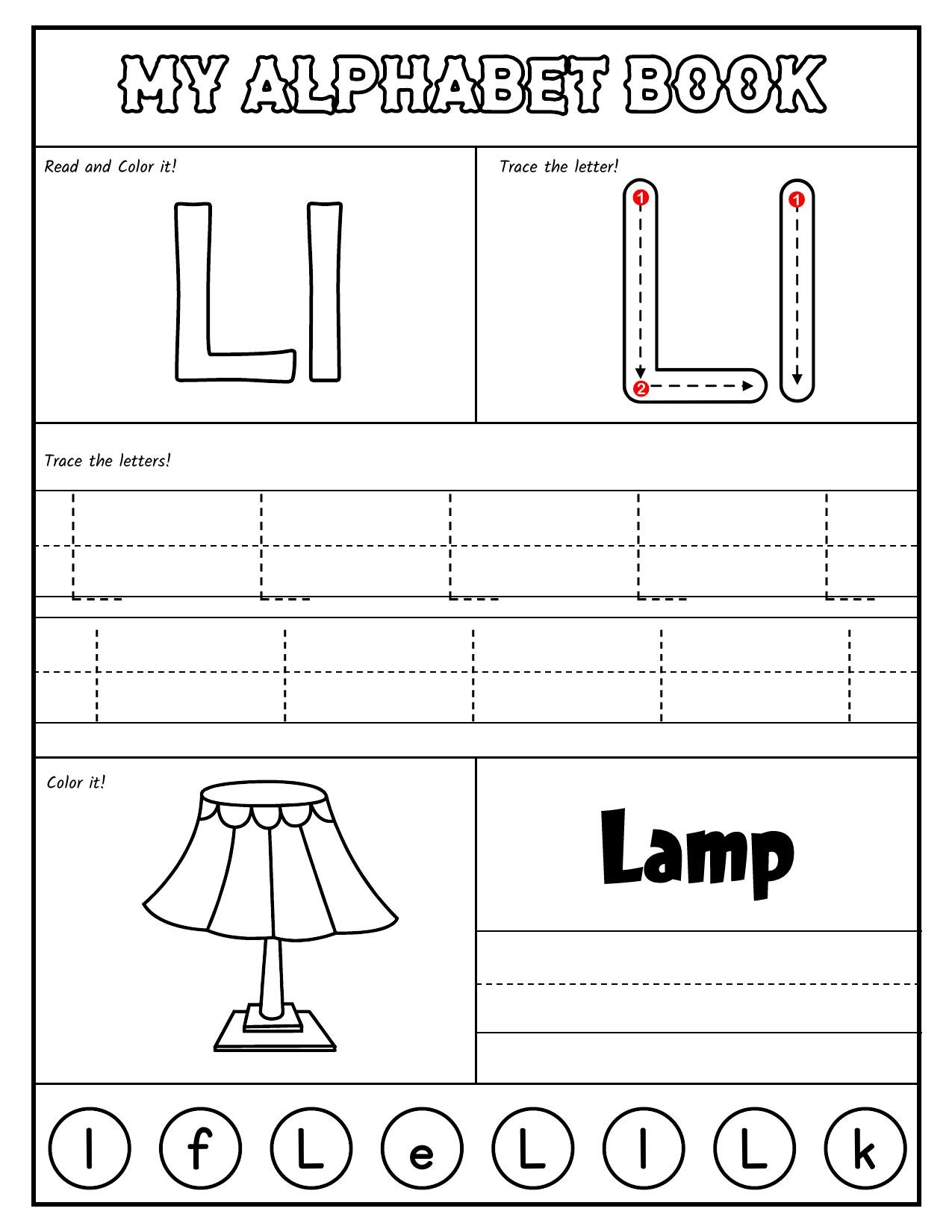
The L worksheet introduces uppercase L and lowercase l. Children begin with guided tracing and then practice the letters independently.
The page allows them to repeat the letter forms several times. A related picture also gives them an opportunity to read and color.
This page can work well during a short alphabet practice session. Give your child plenty of time to complete the letter formation comfortably.
Letter M Worksheet
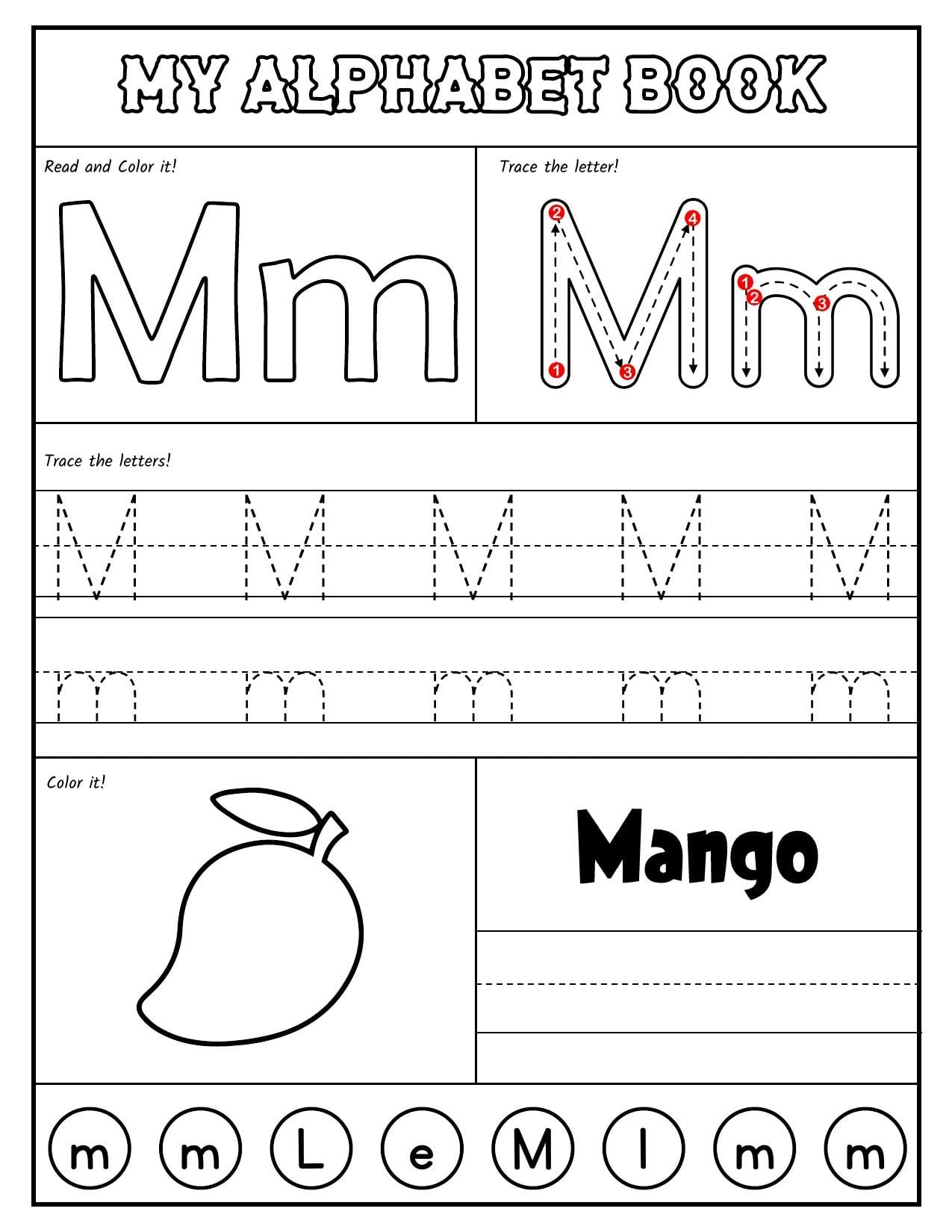
The M worksheet presents uppercase M and lowercase m. Children use the numbered tracing guides to practice forming each letter.
They then move to the writing section for more independent practice. The page also includes a picture for the read-and-color activity.
M gives children practice with several different pencil movements. Encourage careful tracing before asking them to write the letter alone.
Letter N Worksheet
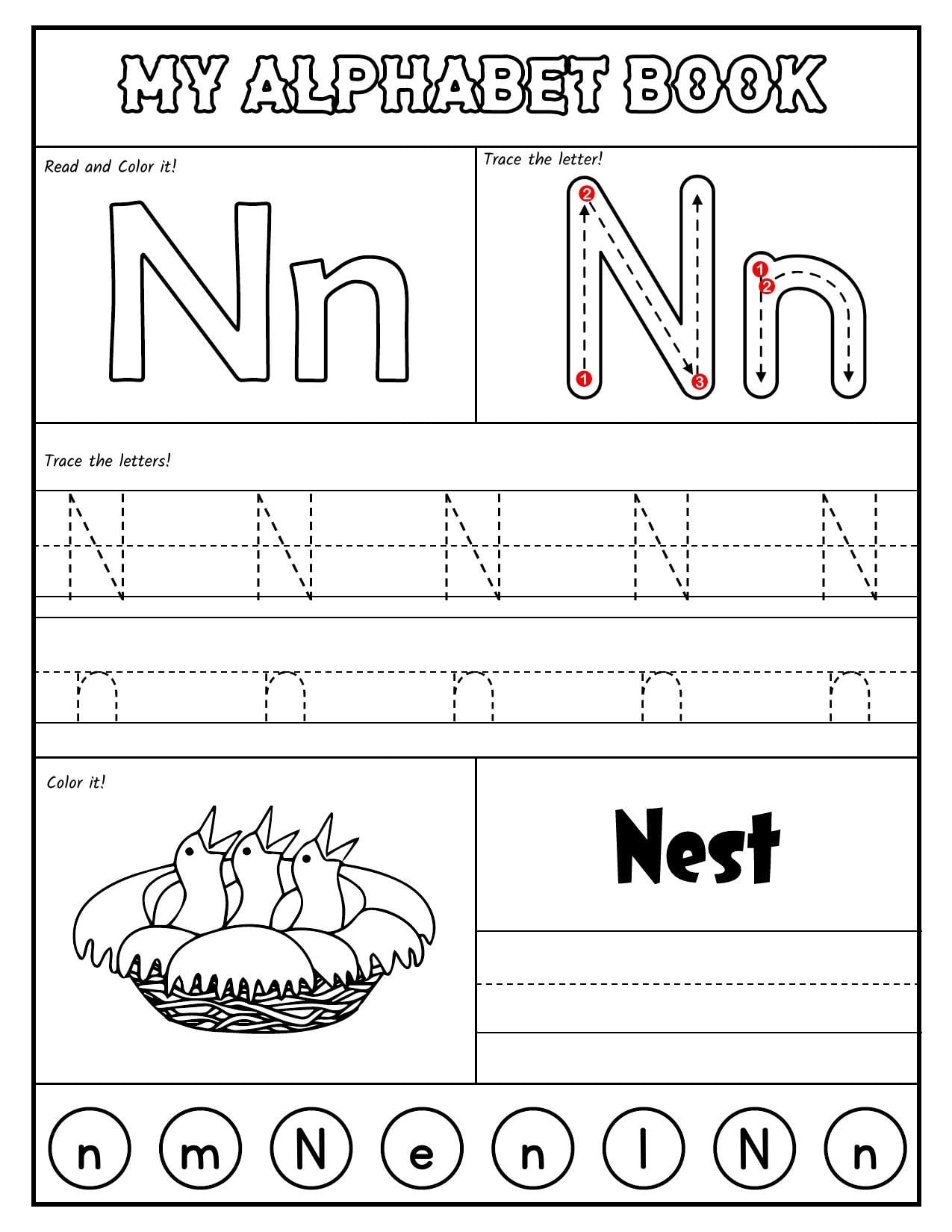
The N worksheet introduces uppercase N and lowercase n. Children trace the letters using the provided directions before attempting independent writing.
The page also includes a related picture for the coloring activity.
Repeating the letter through different activities can make it easier to remember. Ask your child to identify N and n before they pick up their pencil.
Letter O Worksheet
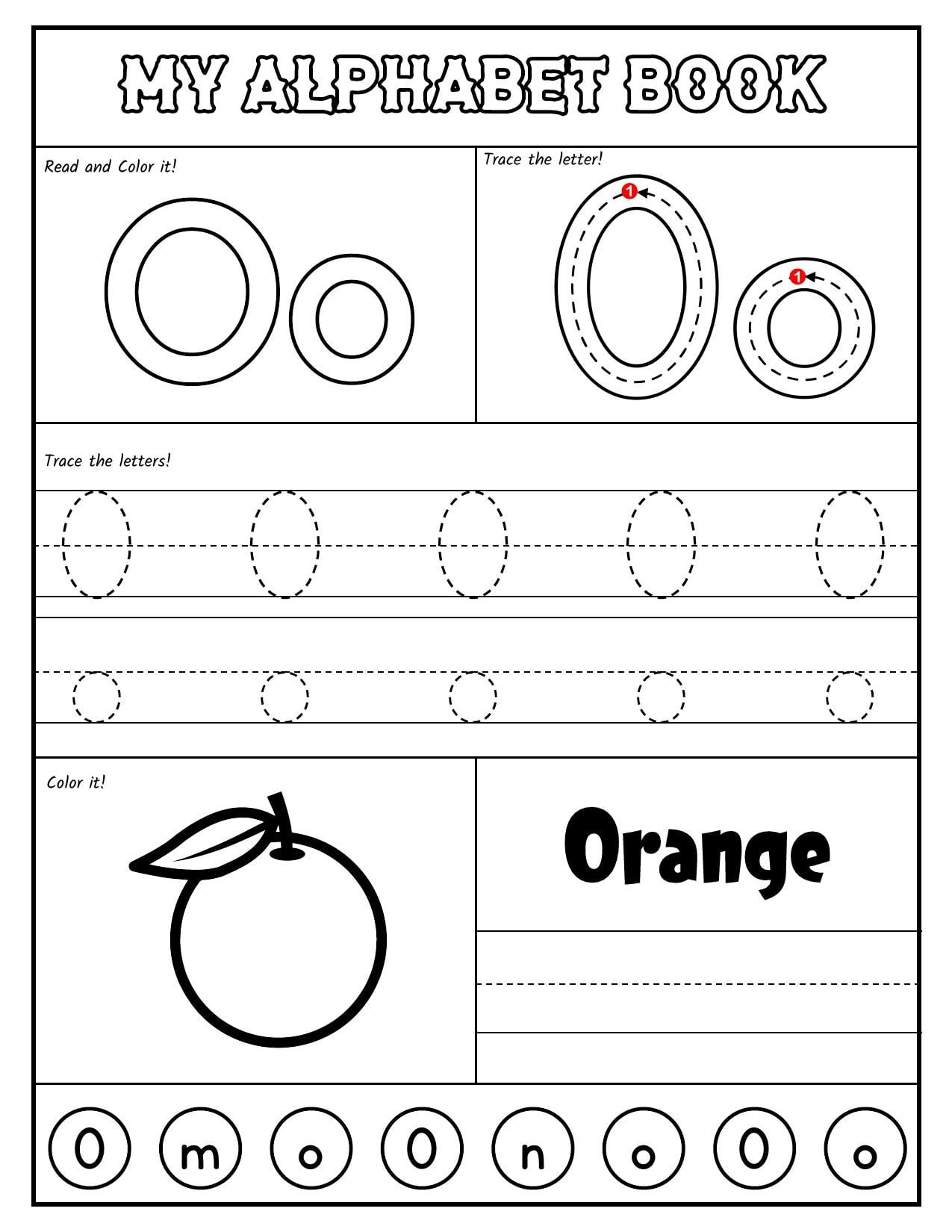
The O worksheet focuses on uppercase O and lowercase o. Children practice the rounded forms through the guided tracing activity.
They then have space to practice writing the letters independently. A related picture provides another opportunity to read and color.
The circular shape gives children a chance to practice smooth pencil movements. Encourage them to keep their tracing controlled and steady.
Letter P Worksheet
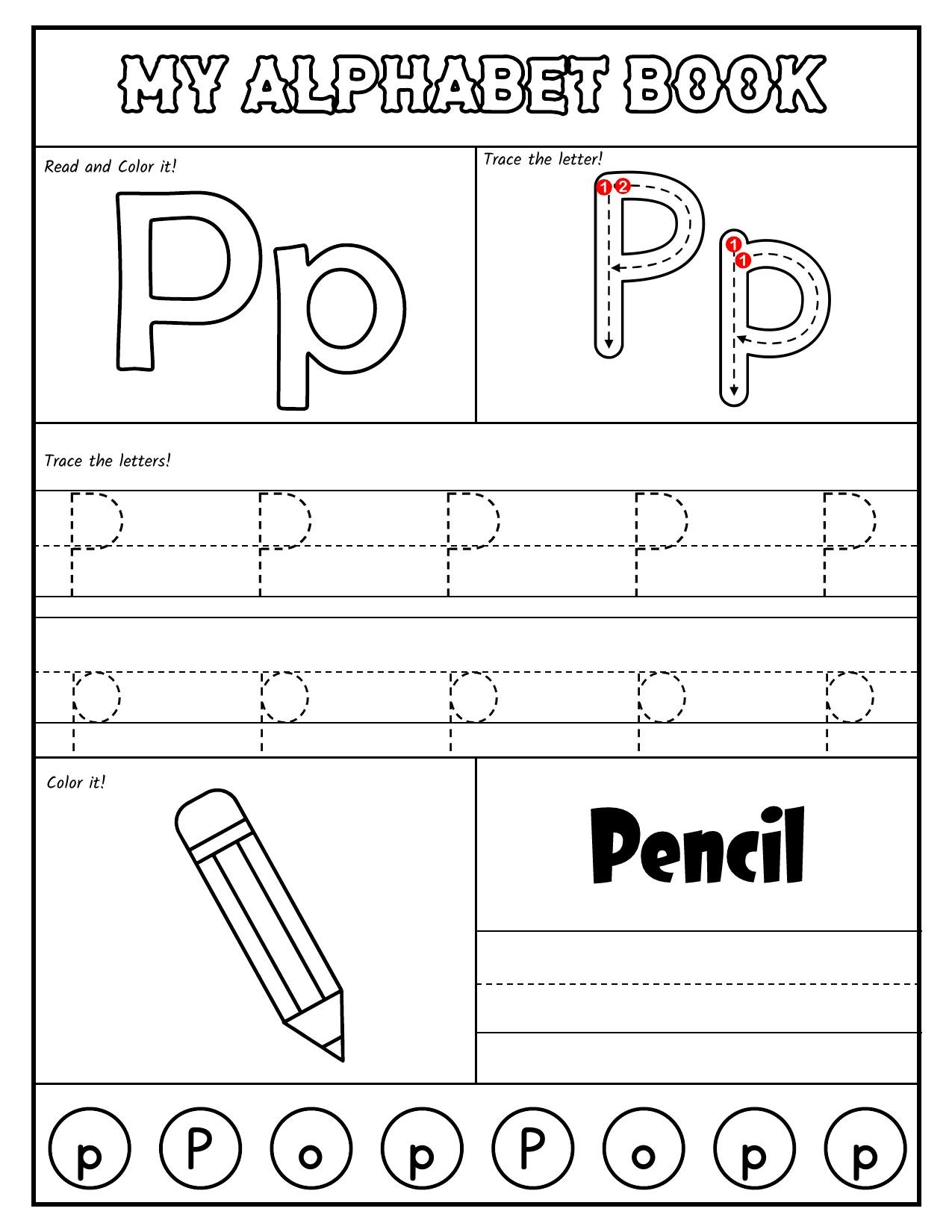
The P worksheet introduces uppercase P and lowercase p. Children begin with guided tracing before moving into independent letter writing.
They can repeat the forms using the space provided on the page. A picture activity gives them a creative way to finish their practice.
Ask your child to recognize P and p before beginning the tracing section. Afterward, let them enjoy the coloring activity without rushing.
Letter Q Worksheet
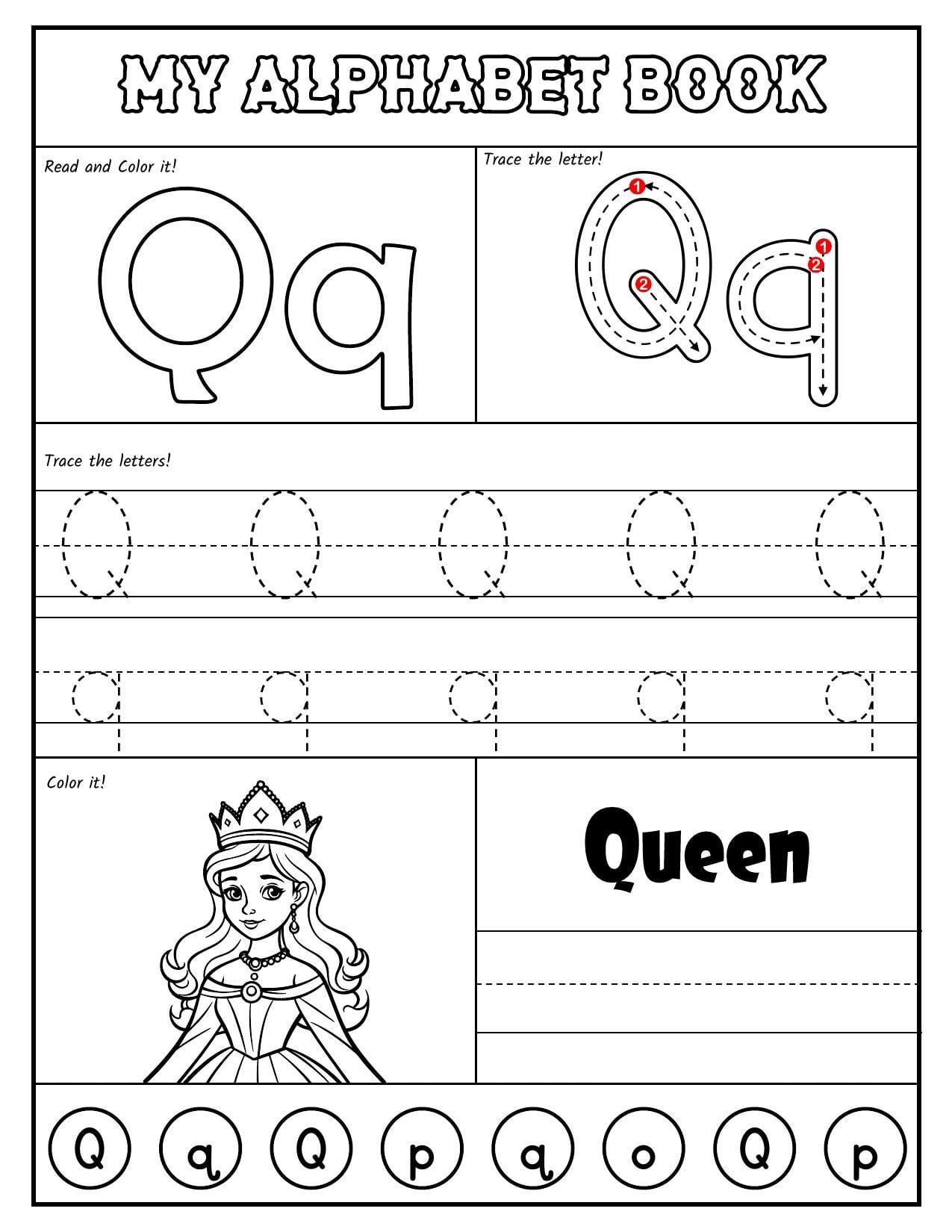
The Q worksheet features uppercase Q and lowercase q. Children practice both forms by following the tracing guides.
They then get additional space to work on the letters independently. The page also includes a picture-based read-and-color activity.
Q can be a letter that children need to revisit several times. Keep the practice encouraging and allow extra time when needed.
Letter R Worksheet
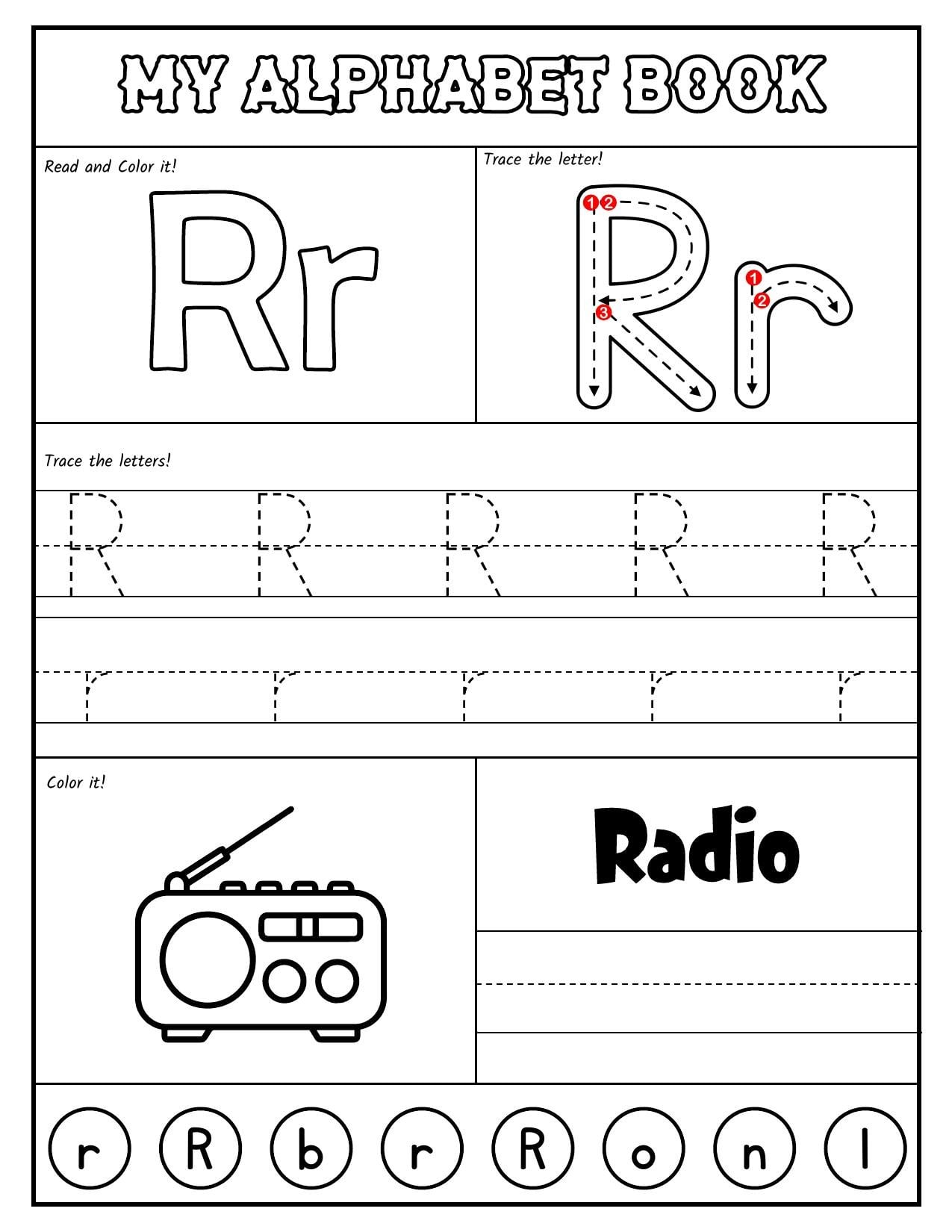
The R worksheet focuses on uppercase R and lowercase r. Children first trace the letters using the numbered guides.
They then practice writing both forms without depending on the tracing lines. The page also includes a picture for the coloring activity.
Moving from tracing to independent writing gives children a clear practice routine. Praise careful effort instead of focusing only on perfect letter formation.
Letter S Worksheet
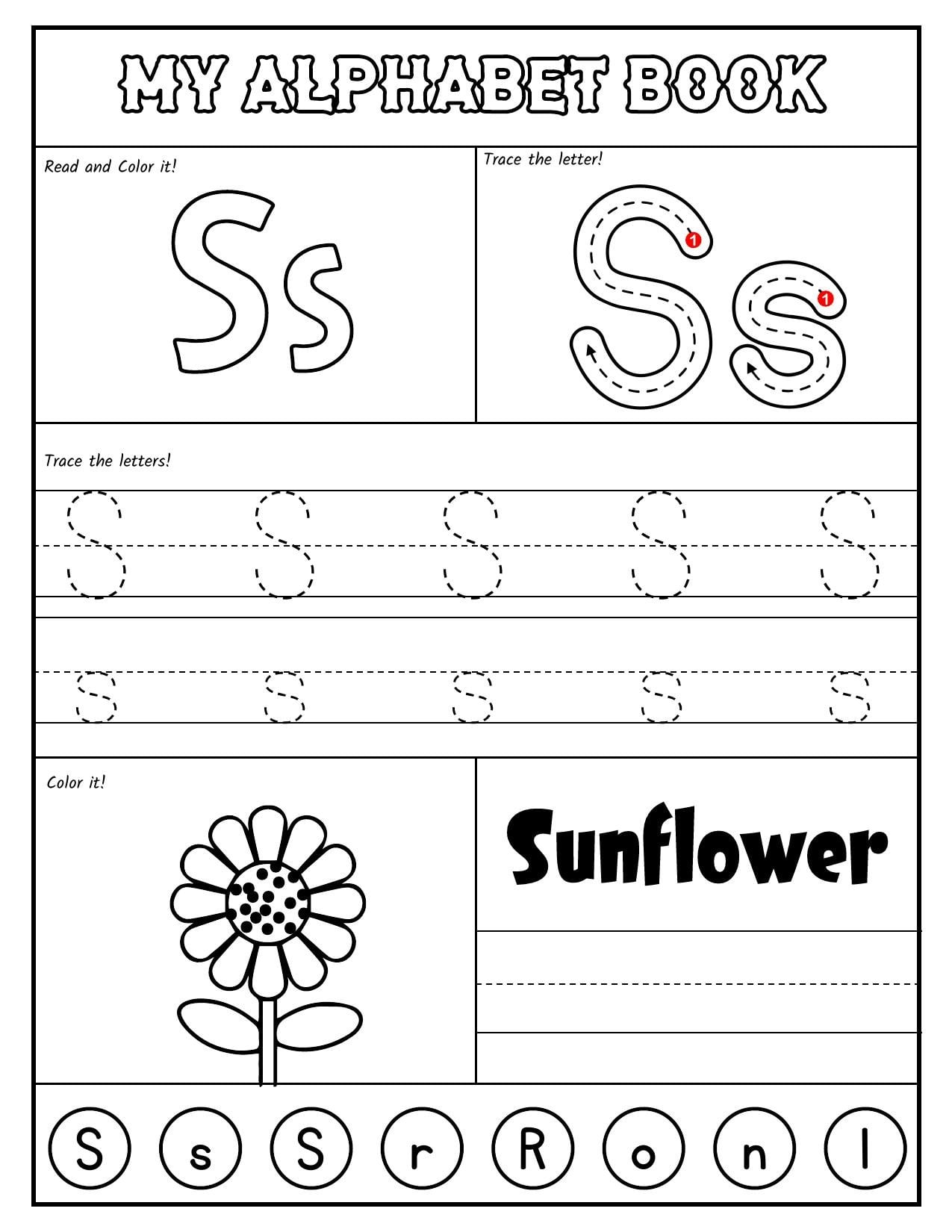
The S worksheet introduces uppercase S and lowercase s. Children trace each letter before practicing the forms independently. The page also gives them a related picture to read and color.
The curved shape of S gives children another pencil movement to practice. Encourage them to follow the tracing direction rather than rushing through it.
Letter T Worksheet
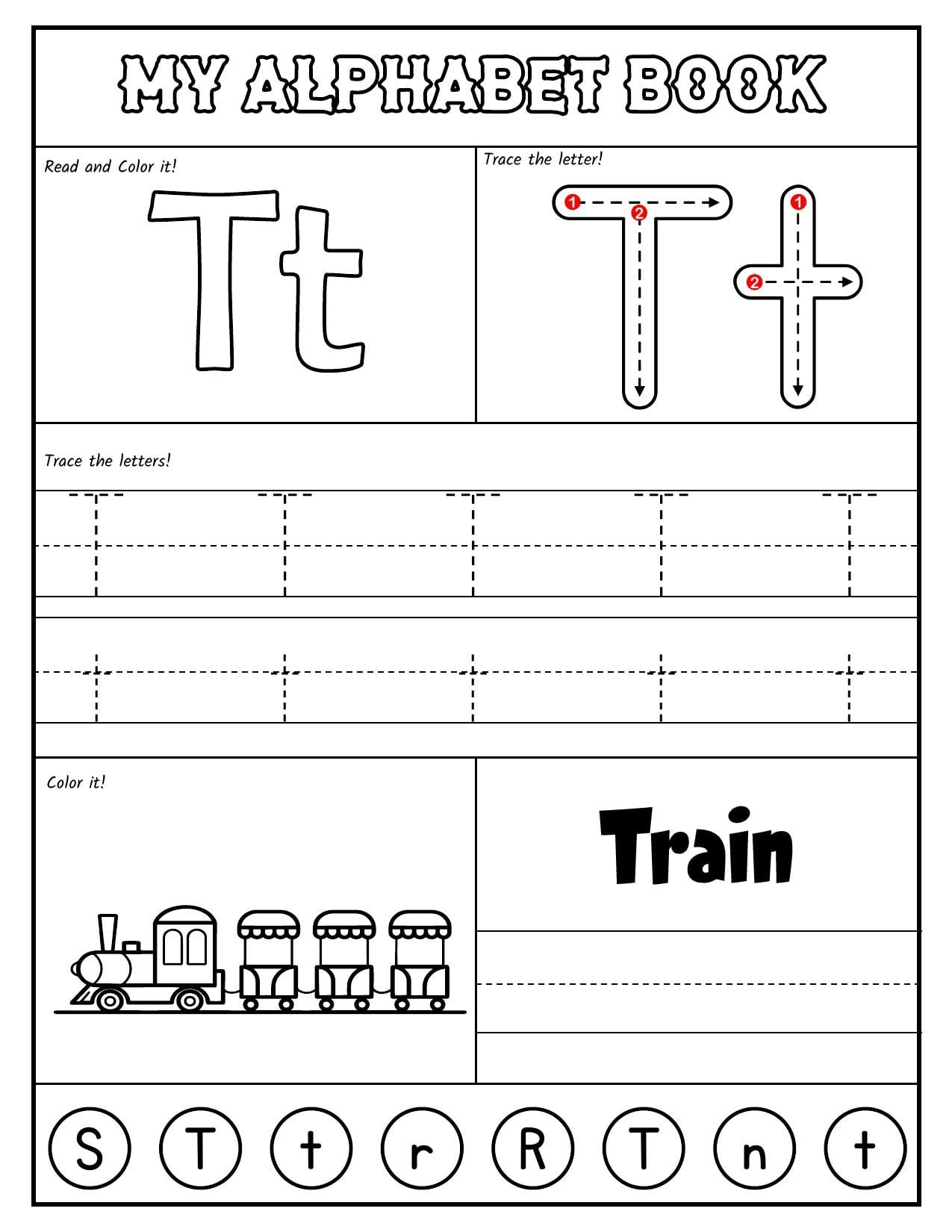
The T worksheet presents uppercase T and lowercase t. Children practice the letter forms through guided tracing first.
They then use the writing section for additional independent practice. A picture activity allows them to finish by reading and coloring.
The page gives children repeated exposure to both forms of T. Ask them to point out the uppercase and lowercase letters before starting.
Letter U Worksheet
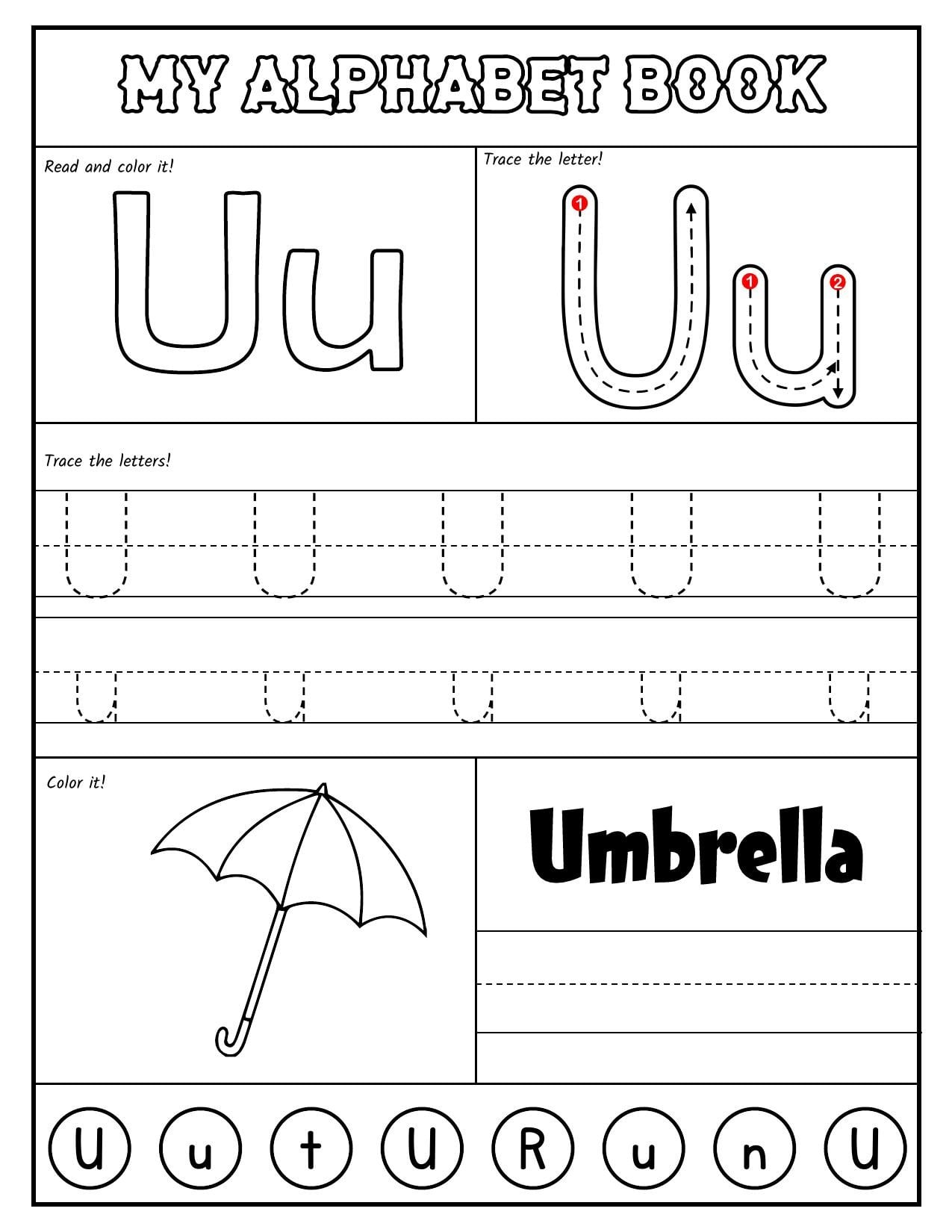
The U worksheet introduces uppercase U and lowercase u. Children follow the tracing guides before practicing the letters independently. They can then complete the picture-based coloring activity.
The curved shape of U provides another opportunity for controlled pencil practice. Encourage your child to trace slowly and carefully.
Letter V Worksheet
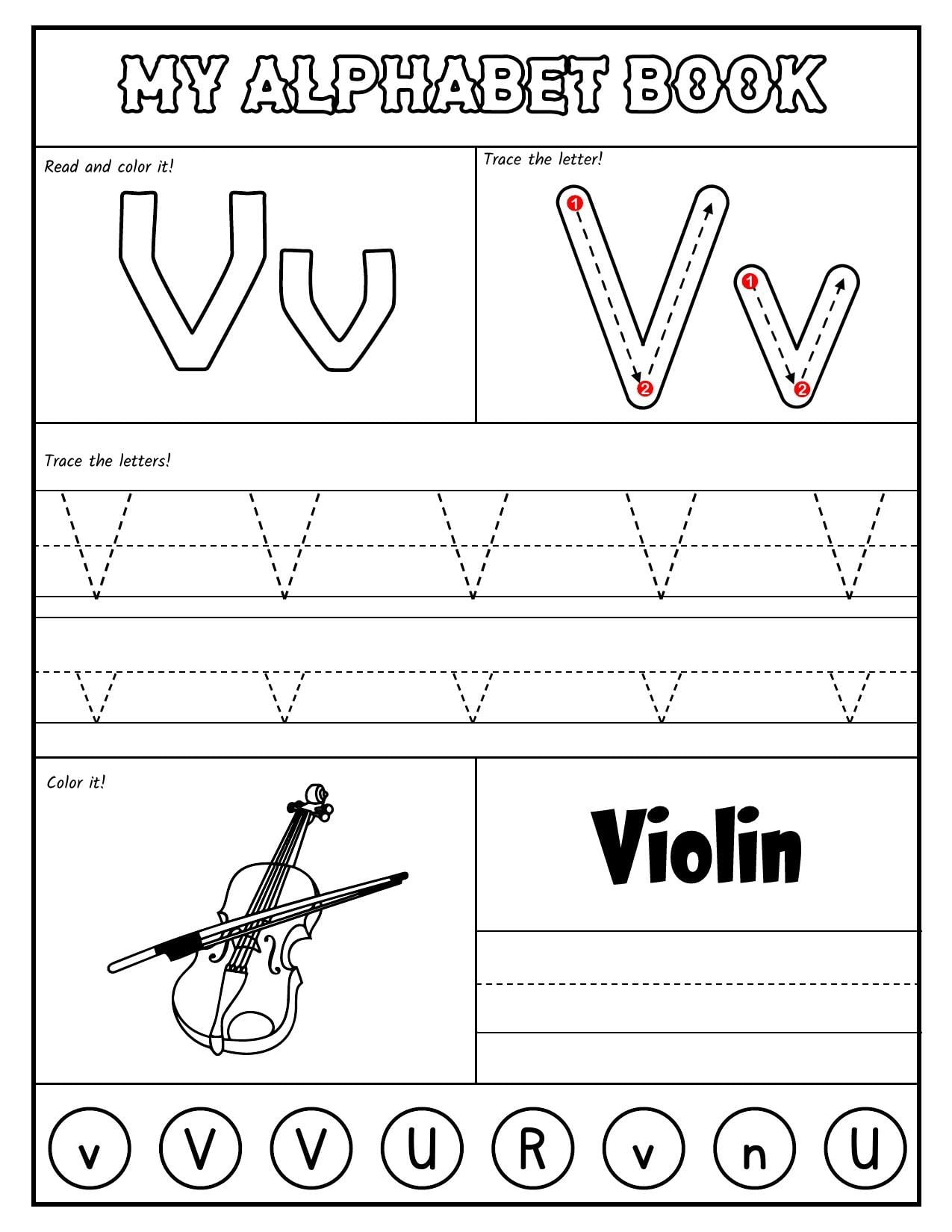
The V worksheet focuses on uppercase V and lowercase v. Children trace the letters using the numbered directions.
They then practice the forms again in the independent writing section. The page also includes a picture for reading and coloring.
V gives children practice with diagonal pencil movements. Let them complete the letter work before moving on to the coloring activity.
Letter W Worksheet
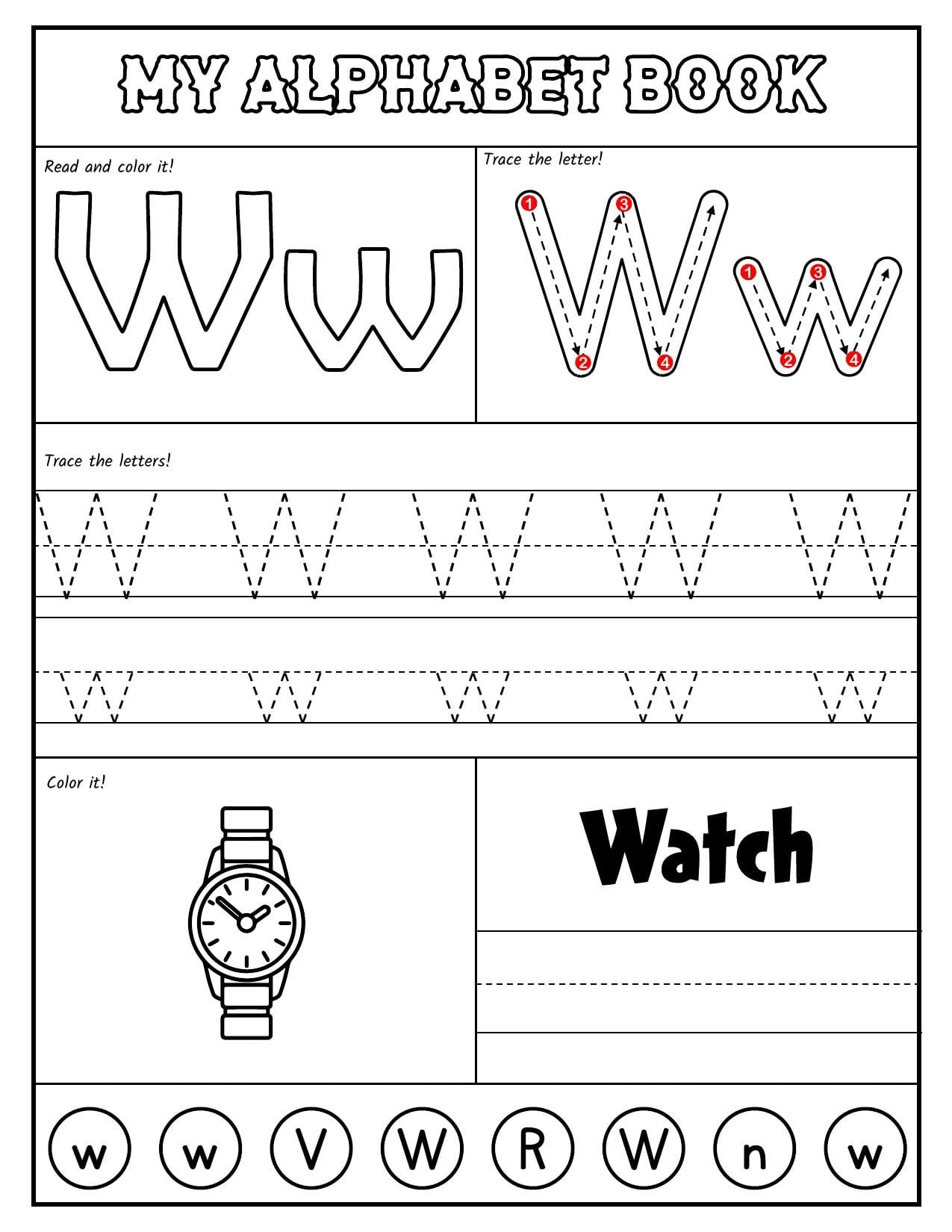
The W worksheet introduces uppercase W and lowercase w. Children trace both forms by following the provided numbered guides.
They then practice writing the letters independently. A related picture provides the final coloring activity on the page.
The repeated diagonal movements in W can require extra concentration. Encourage your child to work slowly and focus on each stroke.
Letter X Worksheet
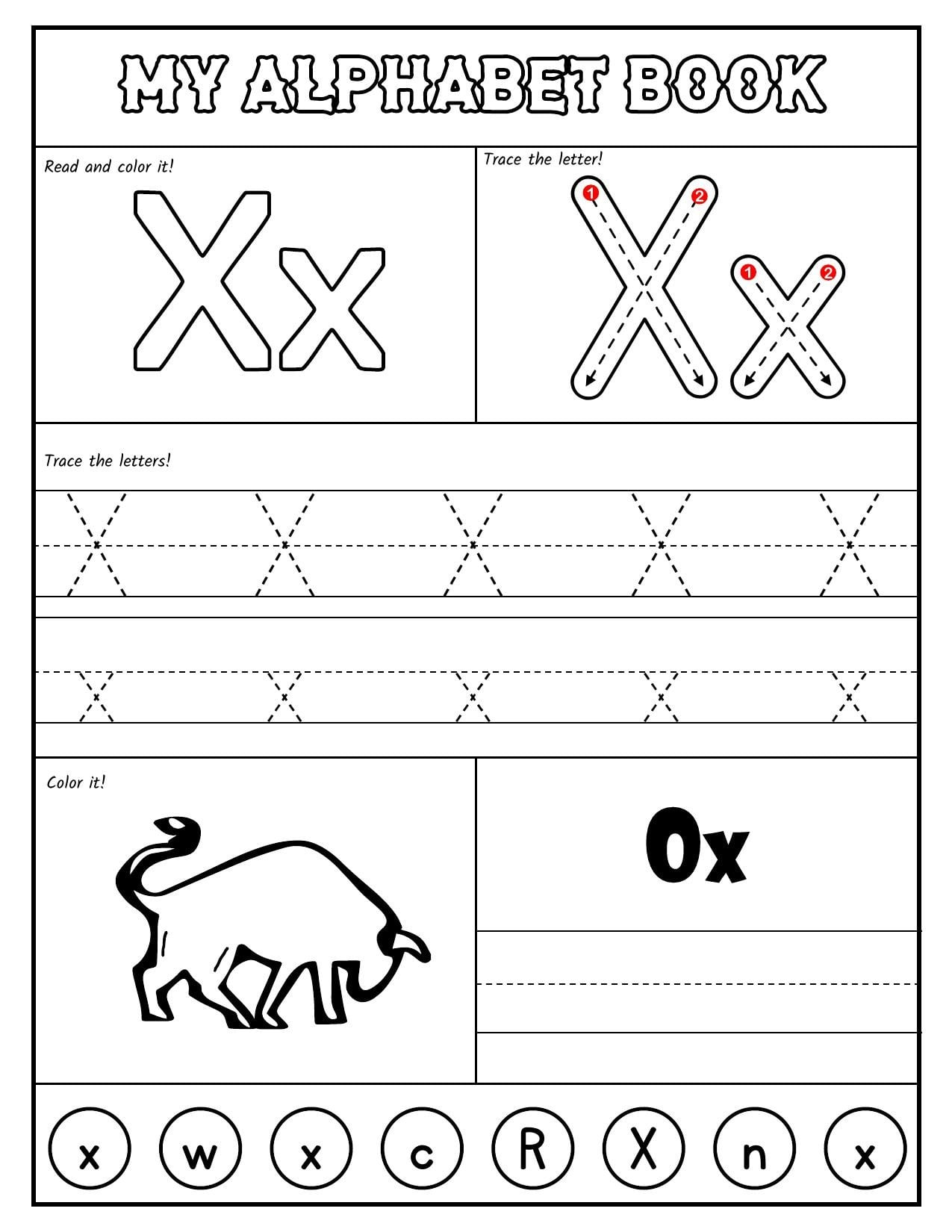
The X worksheet features uppercase X and lowercase x. Children practice the letter forms through guided tracing.
They then use the writing space for additional independent practice. A related picture completes the read-and-color activity.
The crossing lines make X visually different from many earlier letters. Ask your child to notice how the two strokes come together.
Letter Y Worksheet
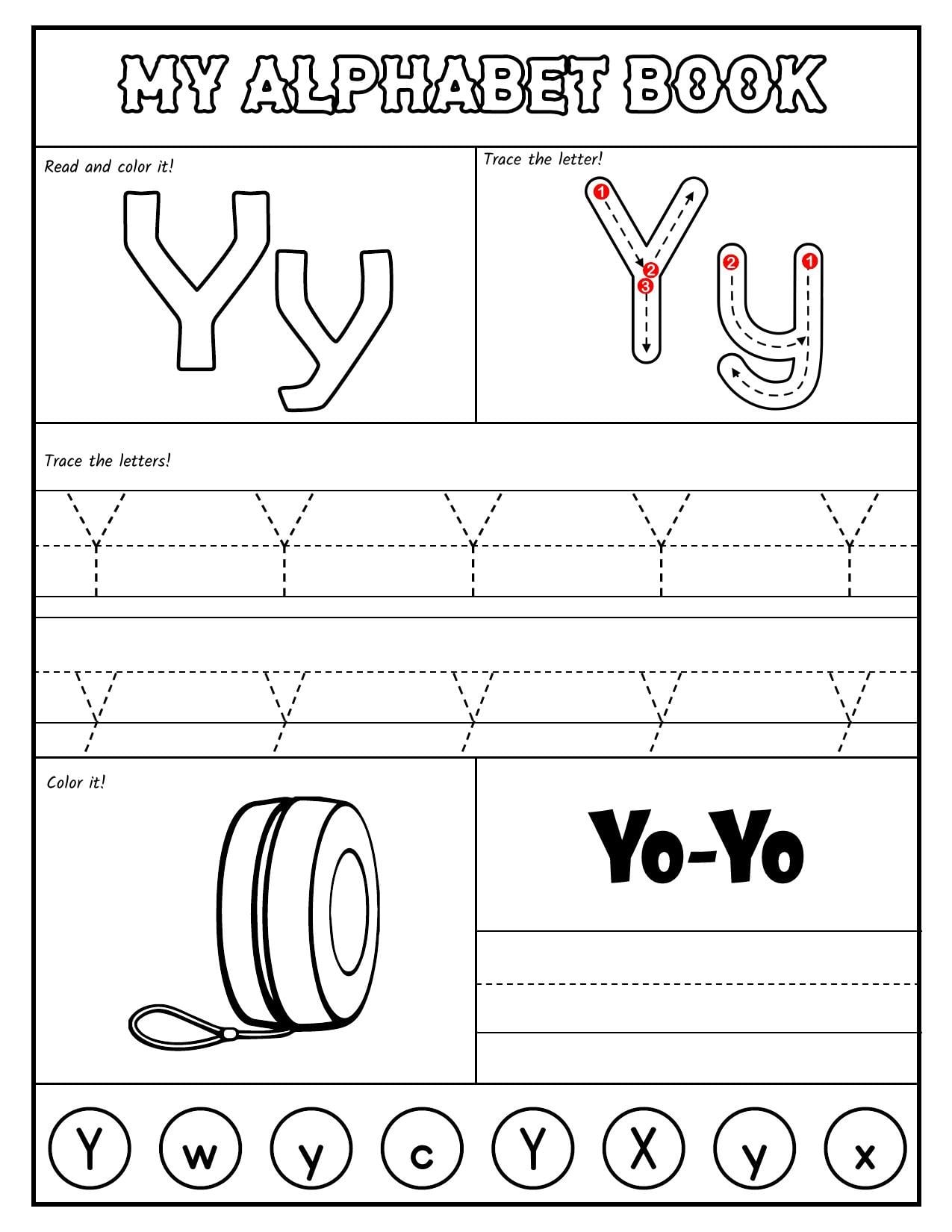
The Y worksheet focuses on uppercase Y and lowercase y. Children begin with guided tracing before moving into independent writing. The page also includes a picture that they can read and color.
This gives children another chance to practice controlled pencil movements. Encourage them to compare the uppercase and lowercase forms.
Letter Z Worksheet
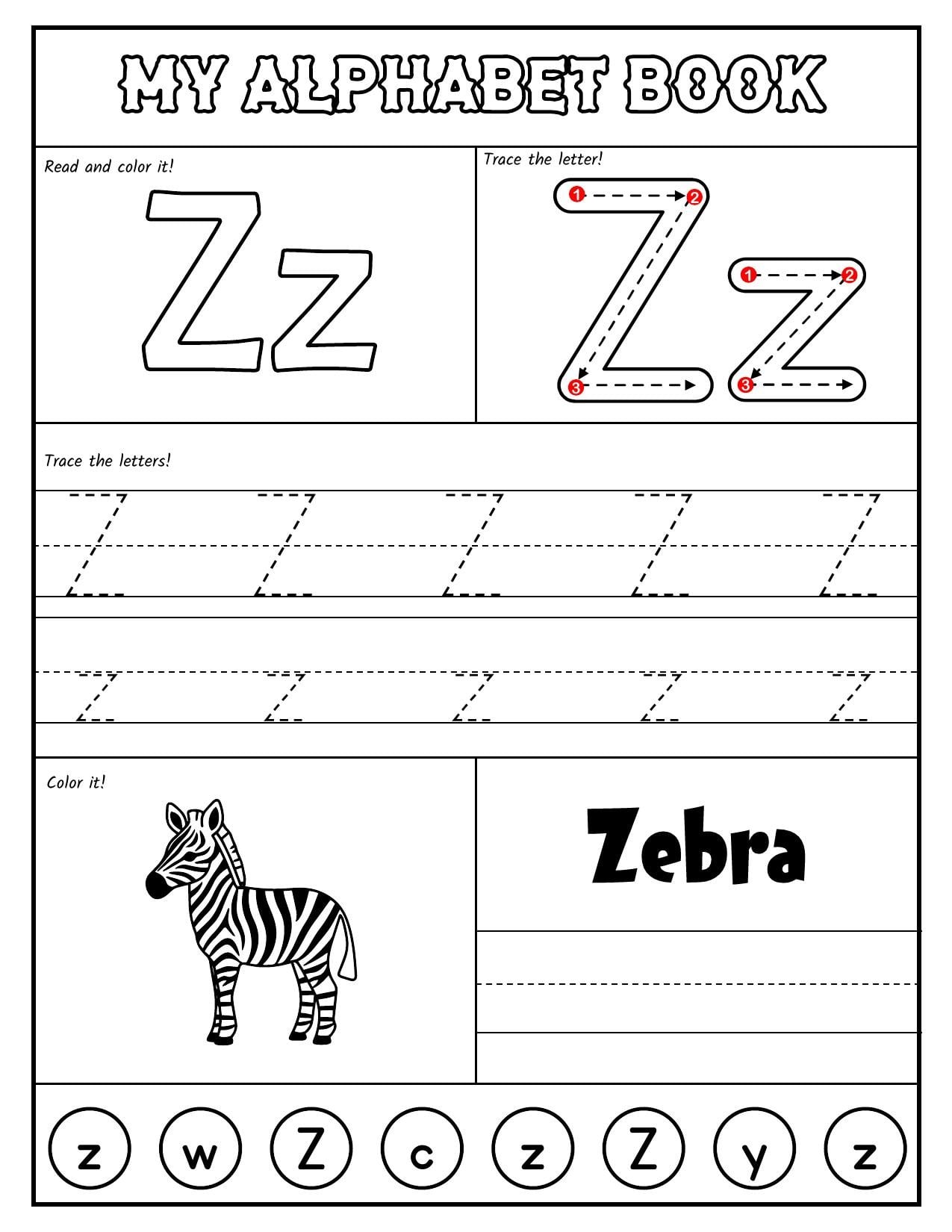
The final worksheet introduces uppercase Z and lowercase z. Children trace the letters using the provided directions before practicing them independently. They can then complete the read-and-color activity on the page.
Finishing this page brings the alphabet practice to a natural close. Celebrate your child’s effort and revisit favorite letters whenever they want extra practice.
Final Thoughts
These Easy Alphabet Worksheets give children a simple way to practice letters through different activities. Each page combines recognition, tracing, writing, coloring, and beginning-sound practice.
This variety can make alphabet learning feel more engaging while giving children repeated practice with each letter.
You can use the pages during preschool lessons, homeschool sessions, tutoring time, or relaxed practice at home. Let your child work through each activity at a comfortable pace and offer help when needed.
With patience and regular practice, children can gradually become more confident with their letters.
Print the Easy Alphabet Worksheets and keep them ready for your next alphabet lesson. Add pencils, crayons, and plenty of encouragement to create a fun learning session.
As your child works from A to Z, celebrate each small step and enjoy watching their alphabet skills grow.